Major sporting events attract millions of fans — and thousands of scammers. The 2026 FIFA World Cup, spanning 16 cities across three countries, will be the largest and most complex World Cup ever held. That complexity creates more opportunities for fraud than any previous tournament. Over 4,300 fake FIFA-related domains have been registered since August 2025, and authorities expect ticket fraud, accommodation scams, and digital theft to reach unprecedented levels.
This guide covers every known World Cup 2026 scam type, how to spot them, and what to do if you become a victim. Bookmark it and refer back throughout your World Cup planning and travel.
World Cup Ticket Scams: The Biggest Fraud Threat in 2026
Ticket fraud is the number one scam targeting World Cup fans. FIFA tickets are sold exclusively through FIFA.com/tickets and the official FIFA app. Any other source carries significant risk.
Planning your World Cup 2026 trip?
Our AI builds your complete itinerary — flights, hotels, visa, budget — delivered in 20–30 minutes. Free.
Generate Your Free Plan →Common Ticket Scam Tactics Targeting World Cup Fans
- Fake resale websites: Scammers create professional-looking sites that mimic FIFA's design. Over 4,300 fake FIFA-related domains have been identified since 2025. These sites collect payment and personal information but deliver nothing
- Social media sellers: Accounts on X (Twitter), Instagram, Facebook, and Telegram offer tickets at "discounted" prices. They promise "guaranteed delivery" but have no inventory and often sell the same non-existent ticket to multiple buyers
- Inflated resale prices: Some resale platforms already list World Cup tickets for $1,500 to $60,000, even though many tickets have not been physically or digitally issued yet — meaning these listings are either speculative or outright fraudulent
- Counterfeit physical tickets: If FIFA issues any print-at-home or physical ticket formats, expect high-quality counterfeits to appear. These may scan at the gate but reference someone else's ID, meaning you get turned away
- Bait-and-switch: Sellers offer premium Category 1 seats, then deliver Category 4 tickets (if anything at all) after payment
How to Buy World Cup 2026 Tickets Safely
| Safe | Risky | Scam |
|---|---|---|
| FIFA.com/tickets | StubHub (some buyer protection) | Random websites |
| Official FIFA app | Viagogo (variable protection) | Social media sellers |
| FIFA hospitality packages | In-person from known fans | Wire transfer requests |
| Official FIFA resale platform | Licensed tour operators | Crypto-only sellers |
You can also set up Ticket Drop Alerts on our platform to get notified when legitimate tickets become available through official channels.

For attractions and stadium tours, buy from a verified platform:
Buy safely on Tiqets ↗Affiliate link
Accommodation Scams Targeting World Cup 2026 Travellers
With hotel prices spiking 31–50% on match days, many fans turn to alternative accommodation platforms. Scammers exploit this urgency with fake listings and fraudulent offers.
Red Flags for Fake World Cup Accommodation Listings
- Too-good-to-be-true prices: A "luxury apartment" in Manhattan for $80/night during the World Cup Final week is a scam. If the price is significantly below market rate, it is fake. Check our cheapest cities ranking for realistic price expectations
- Wire transfer or crypto payment: Legitimate platforms never ask for direct bank transfers or cryptocurrency. If a "host" asks you to pay outside the platform, walk away
- No reviews or brand-new listings: Scammers create fresh listings with stock photos. Reverse-image search any property photos using Google Images to check if they appear on other listings or stock photo sites
- Pressure tactics: "This deal expires in 1 hour" or "5 other people are looking at this right now" are manipulation tactics. Legitimate properties do not disappear overnight
- Bait-and-switch after booking: You book a downtown apartment, then the host "apologetically" moves you to a distant location upon arrival. Always confirm the exact address in writing before paying
- Last-minute cancellation scams: Hosts accept your booking, then cancel days before arrival (when prices have risen) and relist at higher rates. Book refundable accommodation and have a backup plan
Transport Scams by Country: USA, Mexico, and Canada
Transport Fraud in the United States
- Fake rideshare drivers: Near stadiums, unlicensed drivers pose as Uber/Lyft. Always verify the car make, model, license plate, and driver name in your app before getting in
- Surge pricing exploitation: Rideshare prices surge 3–5x after matches. Walk 10–15 minutes away from the stadium before requesting a ride to reduce surge pricing
- Parking scams: Unofficial "parking attendants" charge $50–100 to park in lots they do not control. Your car may be towed. Use pre-booked parking apps like SpotHero or ParkWhiz
- Fake shuttle services: Unofficial buses and vans offer "stadium shuttles" that either never arrive or drop you far from the venue. Only use transportation listed on official FIFA or stadium websites
Transport Fraud in Mexico
- Unmetered taxis: Always agree on a fare before getting in, or use Uber/DiDi which are widely available and reliable in all three Mexican host cities
- Taxi meter tampering: Some drivers use rigged meters that run faster than normal. Compare the fare with an Uber estimate for the same route — if the taxi charges more than 1.5x the Uber price, you are being overcharged
- Airport taxi cartels: At Mexico City airport (MEX), use only authorized taxi stands inside the terminal. Pre-pay at the booth and keep your receipt. Unofficial drivers outside the terminal may overcharge by 200–300%
Transport Fraud in Canada
- Rideshare availability: In Toronto and Vancouver, rideshare is regulated and generally safe. The primary risk is surge pricing after events — plan alternative transit routes in advance
- Unlicensed airport limos: Toronto Pearson and Vancouver International have issues with unlicensed limo drivers soliciting fares in the arrivals hall. Use the official taxi stand or pre-book through the airport website
Street Scams to Watch For at the World Cup
Large crowds of tourists create a target-rich environment for classic street scams. These are common across all three host countries:
- Friendship bracelet scam: Someone ties a bracelet on your wrist, then aggressively demands payment. Keep your hands in your pockets when approached by strangers with accessories
- Fake charity collectors: People with clipboards and lanyards ask for "donations" to supposed World Cup charities. Real charities do not solicit on the street with cash-only requests
- Petition signers: You sign a petition, then the person demands payment. Never sign anything offered by street strangers
- Pickpockets in fan zones: Large gatherings are prime pickpocket territory. Use a money belt or front-pocket wallet. Keep phones in zippered pockets during celebrations
- Fake merchandise sellers: Counterfeit jerseys and scarves are everywhere. While buying a $10 fake jersey may seem harmless, some sellers use the transaction to distract you while an accomplice picks your pocket
- Currency exchange tricks: Street money changers in Mexico may use sleight-of-hand to shortchange you or pass counterfeit bills. Always use banks or official casas de cambio (exchange houses) with posted rates
For more safety advice including emergency contacts and embassy information, read our complete safety tips guide and use our interactive Safety Guide.
Avoid taxi scams at the airport — book a verified driver in advance:
Pre-book your airport pickup with Welcome Pickups ↗Affiliate link
Digital Scams and Cybersecurity Threats at the World Cup
Your phone is your lifeline during the World Cup — for tickets, navigation, communication, and payments. Protect it ruthlessly.
Phishing Emails and Messages Targeting World Cup Fans
Scammers send emails that appear to come from FIFA, your airline, or hotel booking platform. These messages claim there is a problem with your ticket, booking, or payment and direct you to a fake login page. Never click links in unexpected emails. Instead, navigate directly to the official website by typing the URL in your browser.
Fake WiFi Hotspots at Stadiums and Fan Zones
Scammers set up WiFi networks named "FIFA Free WiFi" or "Stadium Guest WiFi" near venues. When you connect, they can intercept your data, including passwords and payment details. Use your mobile data or a VPN when accessing sensitive accounts. Never enter banking or payment credentials on public WiFi.
QR Code Fraud
Fake QR codes placed over legitimate ones in restaurants, parking meters, and tourist areas redirect you to phishing sites or malware downloads. If a QR code looks like a sticker placed over something else, do not scan it. Type URLs manually instead.
SIM Swapping and Phone Cloning
Sophisticated criminals may attempt to clone your phone number to intercept two-factor authentication codes for your banking and email. Use authenticator apps rather than SMS-based 2FA, and enable a SIM PIN with your carrier before traveling.
How to Verify Any World Cup Deal or Offer
- Check the URL carefully: FIFA's official ticket site is FIFA.com/tickets. Look for misspellings like "f1fa.com" or "fifa-tickets.org" — these are scams
- Verify the company: Search for the company name plus "scam" or "review" before paying. Check the Better Business Bureau (for US companies) or Trustpilot
- Use our Scam Checker: Our AI-powered Scam Checker tool analyzes ticket listings, accommodation offers, and suspicious messages to identify red flags. Paste any offer and get an instant risk assessment
- Reverse image search: Drag property photos into Google Images. If the same photo appears on multiple listings with different addresses, it is fake
- Ask for video proof: For private accommodation rentals, ask the host for a live video walkthrough. Scammers cannot provide this
- Read the refund policy: Legitimate sellers have clear refund and cancellation policies. "All sales final" with no exceptions is a red flag
- Pay with credit cards: Credit cards offer chargeback protection that debit cards, wire transfers, and cryptocurrency do not. If a seller only accepts non-reversible payment methods, it is likely a scam
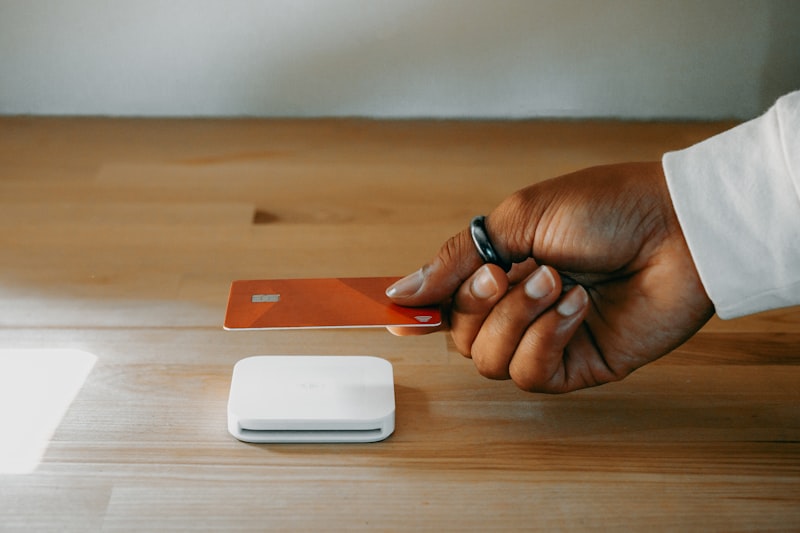
What to Do If You Get Scammed at the World Cup
If you fall victim to a scam, act quickly:
- Contact your bank or credit card company immediately: Request a chargeback. Under US law, you have 60 days to dispute a credit card charge. The sooner you act, the better your chances of recovery
- Report to local police: File a police report in the city where the scam occurred. This creates an official record needed for insurance claims and credit card disputes
- Report to FIFA: Contact FIFA directly through their official website if the scam involves tickets or official merchandise. FIFA tracks fraudulent sellers and may be able to assist
- File with the FTC: US-based scams can be reported at reportfraud.ftc.gov. For Canadian scams, contact the Canadian Anti-Fraud Centre. For Mexico, file with PROFECO (consumer protection agency)
- Alert other fans: Post your experience (without sharing personal details) on fan forums and social media to warn others. Include the scammer's website URL, social media handle, or email address
- Check your identity: If you shared personal details like passport numbers or ID documents, monitor your credit report and consider a fraud alert or credit freeze
Protect yourself from public WiFi risks — use your own mobile data:
Stay safe with a Yesim eSIM data plan ↗Affiliate link
FIFA Fan ID and Visa Scams
A growing category of World Cup fraud targets fans who need visas or the mandatory FIFA Fan ID to attend matches. Here are the most common schemes:
- Fake FIFA Fan ID registration sites: The only official FIFA ID registration is through FIFA.com and the official FIFA app. Any website claiming to process your Fan ID for a fee is fraudulent — the real process is free
- Bogus visa services: Companies advertising "guaranteed World Cup visas" or "fast-track ESTA approval" charge inflated fees for services you can do yourself for free or at minimal cost. ESTA costs $21 directly through the official US government site. Check our ESTA guide for the official process
- Fake FIFA PASS services: The FIFA PASS priority visa appointment system is only available through official FIFA channels. Third parties claiming to sell FIFA PASS access are scammers
- Embassy impersonation: Scammers posing as embassy officials contact fans by email or phone, claiming visa application problems and requesting additional payments. Real embassies do not request payment via email or phone
Read our complete visa guide to understand the legitimate entry requirements for all three host countries.
Protecting Your Money and Personal Data During the World Cup
Beyond avoiding specific scams, here are general security practices every World Cup traveller should follow:
- Use a VPN on public networks: A virtual private network encrypts your internet traffic, protecting sensitive data when using hotel or cafe WiFi
- Enable card transaction alerts: Set up instant notifications for every transaction on your credit and debit cards so you can spot unauthorized charges immediately
- Carry minimal cash: Use cards for most purchases. When you need cash, withdraw from bank ATMs inside branches, not standalone machines that may have skimmers attached
- Use contactless payments: Apple Pay, Google Pay, and other contactless methods are more secure than swiping a physical card because they use tokenized card numbers
- Back up important documents: Photo copies of your passport, visa, insurance, and FIFA Fan ID stored in cloud storage ensure you can access them if your phone is lost or stolen
- Set a travel spending limit: Contact your bank before travelling and set a daily spending limit on your cards. This limits potential losses if your card is compromised
Related Guides
- Safety Tips for World Cup 2026: How to Stay Safe
- How to Get World Cup 2026 Tickets: Complete Breakdown
- Visa Guide: Entry Requirements for USA, Canada, and Mexico
- World Cup 2026 First-Time Attendee Guide
- Cheapest World Cup 2026 Cities Ranked
Frequently Asked Questions About World Cup 2026 Scams
The only fully safe source is FIFA.com/tickets and the official FIFA app. FIFA may also launch an official resale platform for ticket holders who can no longer attend. Any other source carries risk of fraud or ticket cancellation.
Check the domain carefully — the only official domain is FIFA.com. Look for misspellings, extra words (like "fifa-tickets-official.com"), missing HTTPS, poor grammar, and missing contact information. Over 4,300 fake FIFA-related domains have been registered, so vigilance is essential.
Credit cards are the safest because they offer chargeback protection under consumer law. Debit cards have weaker protections. Never use wire transfers, cryptocurrency, gift cards, or peer-to-peer payment apps (Venmo, Cash App, Zelle) for ticket or accommodation purchases — these payments are virtually impossible to recover.
Major resale platforms like StubHub and Viagogo offer some buyer protection, but FIFA has warned that tickets purchased through unauthorized resellers may be voided. If you use a resale platform, ensure it offers a full money-back guarantee if entry is refused.
Refuse. This is a common scam tactic. Paying outside the platform removes all buyer protection, dispute resolution, and insurance coverage. Report the host to the platform immediately. Legitimate hosts never need off-platform payment.
Use caution. Official stadium WiFi exists but is slow and potentially monitored. Never access banking, email, or payment sites on public WiFi. Use your mobile data connection or a VPN for sensitive activities. Disable auto-connect to open networks on your phone.
Very common. During the 2022 Qatar World Cup, authorities reported thousands of ticket fraud cases and millions of dollars in losses. With the 2026 tournament being significantly larger (48 teams, 16 cities, three countries), fraud is expected to increase proportionally. The FTC, FBI, and international agencies have all issued public warnings.
It depends on your payment method. Credit card purchases can be disputed through your bank within 60 days. PayPal offers buyer protection for 180 days. Wire transfers, crypto, and cash are generally unrecoverable. File a police report immediately, as this strengthens your case for any dispute process.
Use our AI-powered Scam Checker tool — paste any ticket listing, accommodation offer, or suspicious message and get an instant risk assessment with specific red flags identified. You can also verify tickets directly through the FIFA app by checking if the ticket appears in your official FIFA account.
The most common accommodation scams include fake Airbnb/VRBO listings with stolen photos, hosts requesting off-platform payments for "discounts," last-minute cancellation schemes where hosts rebook at higher rates, and phishing emails disguised as booking confirmations. Always book through verified platforms and never pay outside the official booking system.
Yes. Comprehensive travel insurance can cover losses from trip cancellation, stolen belongings, and in some cases, fraud. Look for policies that specifically cover "financial default" or "supplier failure" — these may help recover costs if a booked accommodation or tour operator turns out to be fraudulent. Read our travel insurance guide for recommended coverage levels.
Report scams to multiple authorities: your bank or credit card company (for chargebacks), local police (for official records), FIFA directly (for ticket-related fraud), and the relevant consumer protection agency — the FTC in the US (reportfraud.ftc.gov), the Canadian Anti-Fraud Centre in Canada, or PROFECO in Mexico. Also warn other fans by reporting the scam on social media and fan forums.
Conclusion: Stay Alert and Enjoy the World Cup Safely
The 2026 World Cup will be an incredible experience, but only if you protect yourself from the scammers who inevitably target major sporting events. The core rules are simple: buy tickets only from FIFA.com, book accommodation through verified platforms, pay with credit cards, never share personal details with unverified contacts, and use our AI Scam Checker to verify anything that seems suspicious.
Stay informed, trust your instincts, and remember — if a deal seems too good to be true, it almost certainly is. Share this guide with fellow fans heading to the 2026 World Cup so everyone can enjoy the tournament safely.
Plan Your World Cup Trip
Generate your free personalised World Cup 2026 travel plan at worldcupguide.ai — our AI covers flights, hotels, match tickets, and complete itineraries across all 16 host cities.