
Most safety guides for World Cup 2026 will tell you to ‘be aware of your surroundings.’ That’s useless advice.
Here’s what locals in Mexico City, Miami, Toronto, and the other host cities will actually warn you about: specific scams targeting tourists, neighborhoods to avoid after dark, and small habits that mark you as an easy target.
This guide skips the obvious and focuses on what visitors actually get wrong.
Planning your World Cup 2026 trip?
Our AI builds your complete itinerary — flights, hotels, visa, budget — delivered in 20–30 minutes. Free.
Generate Your Free Plan →Safety at a major sporting event is not about fear — it is about awareness. The fans who have the best time are the ones who plan ahead, stay alert in crowded situations, and know what to do if something goes wrong. Whether this is your first World Cup or your fifth, these practical, no-nonsense safety tips will keep you protected throughout the tournament.
Protecting Your Belongings at the World Cup
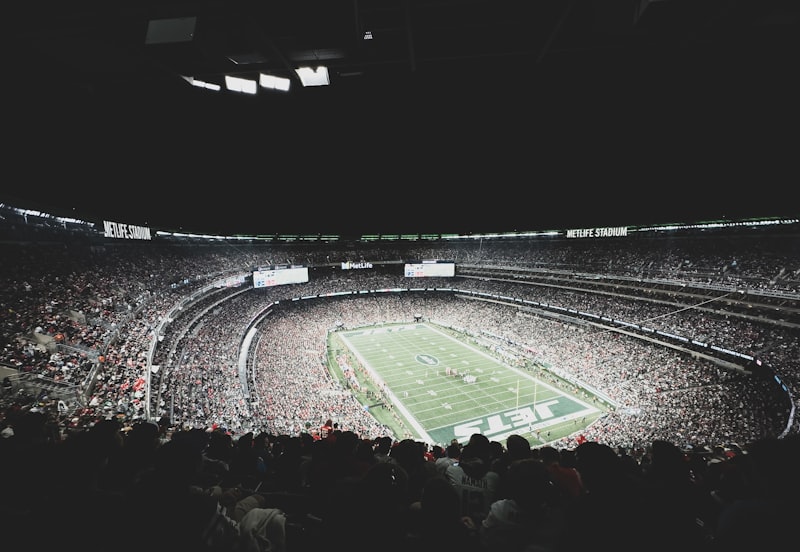
Petty theft is the number one risk for tourists at major sporting events worldwide, and the World Cup is no exception. Crowded stadiums, packed public transit, and busy fan zones create opportunities for pickpockets. Here is how to minimize the risk and keep your valuables secure throughout the tournament.
Essential Anti-Theft Strategies for World Cup Fans
- Phone security: Keep your phone in a front pocket or zippered bag — never a back pocket in crowds. Consider a phone lanyard or wrist strap for stadium environments where phones are constantly out for photos and videos.
- Money belt or neck pouch: For your passport, extra cash, and backup credit card — worn under clothing at all times. Brands like Eagle Creek and Pacsafe make slim designs that are invisible under a jersey.
- Hotel safe: Leave passport originals and extra cash locked up whenever possible. Carry a photocopy or photo of your passport ID page on your phone — this is sufficient for most identification needs.
- Bag awareness in restaurants: Keep your bag on your lap or looped around a chair leg — never hung on the back of a chair. In busy restaurants near stadiums, theft from chair-backs is extremely common.
- Leave valuables at home: Expensive watches, jewelry, and designer items attract unwanted attention. Wear a cheap watch and leave luxury items in your hotel safe.
- Split your money: Never carry all your cash and cards in one location. Keep an emergency $100 and a backup card separate from your main wallet.
- Anti-theft backpack: Consider a backpack with lockable zippers and slash-proof material for day trips. Pacsafe and Bobby make excellent options designed for travel in crowded environments.
Health and Medical Preparedness for World Cup Travel
Your health is the foundation of a good World Cup experience. Getting sick or injured abroad without preparation can turn a dream trip into a nightmare — and an expensive one. Here is everything you need to know about staying healthy across three countries.
Travel Insurance is Non-Negotiable for the World Cup
A single emergency room visit in the US can cost $3,000-10,000+ without insurance. Even a minor urgent care visit for food poisoning can run $500-1,500. Travel insurance is not optional for World Cup travel — it is essential. Ensure your policy covers:
- All three countries — USA, Canada, and Mexico. Some policies exclude certain countries, so verify each one is listed.
- Medical evacuation — in case you need transport to a better hospital or medical repatriation to your home country.
- Trip cancellation — protects your investment if plans change due to illness, injury, or unforeseen events.
- COVID/illness coverage — some basic policies exclude pandemics or epidemic-related claims. Read the fine print.
- Adventure activities — if you plan any excursions beyond football (hiking, water sports, etc.).
- Personal liability — covers you if you accidentally cause damage or injury to others.
Recommended providers for World Cup 2026 coverage include World Nomads (flexible for multi-country trips), SafetyWing (affordable for longer stays), and Allianz (comprehensive coverage). Compare quotes and read reviews before purchasing. For budget advice on insurance costs, check our World Cup Budget Guide.
Medications and Health Kit for World Cup Travel
Pack a personal health kit that covers the most common issues travelers face at major sporting events:
- Prescription medications: Bring enough for your entire trip plus 7 extra days, in original packaging with a doctor's note. Some medications that are legal in your country may be restricted in Mexico — verify beforehand.
- Pain relief: Ibuprofen and acetaminophen (paracetamol). Brand names vary by country but the active ingredients are the same.
- Anti-diarrheal: Essential for Mexico travel — Imodium (loperamide). Traveler's diarrhea affects up to 30% of visitors to Mexico, and having medication on hand means you do not lose a match day.
- Rehydration salts: Critical for heat-related dehydration in Miami, Dallas, Houston, and Mexico City during summer. Pedialyte or generic oral rehydration sachets are lightweight and effective.
- Sunscreen SPF 50+: Reapply every 2 hours, especially at open-air stadiums. A sunburn on day one can ruin an entire trip.
- Insect repellent: For humid cities like Miami and Houston where mosquitoes are active year-round.
- Band-aids and blister plasters: You will walk more than usual — 15,000-25,000 steps per match day is common.
- Antihistamines: For unexpected allergic reactions to food or insect bites.
Staying Hydrated at World Cup Matches
Heat is a serious safety concern at the 2026 World Cup. Summer temperatures in Dallas, Houston, and Miami regularly exceed 35°C (95°F), and stadiums amplify heat even in covered venues. Drink at least 3 liters of water per day in hot cities. Bring a sealed water bottle to every match (most stadiums allow one per person). Recognize heat exhaustion symptoms: dizziness, nausea, excessive sweating, and rapid heartbeat. If you experience these, move to shade immediately and drink water.
Transportation Safety Across World Cup Host Countries
Getting around safely is crucial, especially after evening matches when you may be tired and in an unfamiliar city. Each country has different transportation norms and risks.
| Country | Recommended Transport | Avoid |
|---|---|---|
| USA | Uber/Lyft, subway, Amtrak, official match shuttles | Walking alone in unfamiliar areas late at night, unmarked taxis |
| Canada | TTC, Uber, public transit, GO Transit | Unlicensed taxis at airports, walking in industrial areas |
| Mexico | Uber, Didi, authorized taxis (sitio), ADO/ETN buses | Hailing random street taxis, driving between cities at night |
Post-Match Transportation Tips
After evening matches, transport demand spikes and prices surge. Here are strategies to get home safely and affordably:
- Pre-book transport: If using a rideshare, set your pickup location to a spot 10-15 minutes walk from the stadium — surge pricing drops dramatically just a few blocks away.
- Use public transit when available: Most host cities will extend metro and bus service for match days. This is often the fastest option when roads are gridlocked.
- Walk in groups: After late matches, walk with other fans toward transit hubs. There is safety in numbers, and the atmosphere is usually festive and friendly.
- Avoid empty areas: Stick to well-lit, populated streets. If an area feels wrong, trust your instincts and change direction.
- Designate a meeting point: If traveling with friends, agree on a meeting point before the match in case you get separated. Phone signal can be unreliable in crowded areas near stadiums.
Digital Safety and Cybersecurity for World Cup Travelers
Your digital security is just as important as your physical safety. Large events attract not just pickpockets but also cybercriminals targeting tourists on public networks.
- Use a VPN on all public Wi-Fi — stadiums, airports, cafes, and hotels are prime targets for hackers intercepting data. NordVPN, ExpressVPN, and Surfshark all work well across all three countries.
- Enable two-factor authentication on all important accounts before traveling — email, banking, social media, and your FIFA ticket account.
- Avoid public USB charging stations — carry your own charger and power bank. "Juice jacking" (data theft through USB ports) is a real threat at airports and stadiums.
- Share your itinerary with someone at home and check in daily. Use a location-sharing app like Find My Friends or Google Maps sharing.
- Back up your phone: Cloud backup ensures you do not lose photos and data if your phone is stolen. Enable remote wipe capability.
- Be cautious with QR codes: Scammers place fake QR codes over legitimate ones in tourist areas. Only scan codes from official sources.
World Cup 2026 Scam Awareness: Common Scams and How to Avoid Them
Common World Cup scams are sophisticated and specifically target tournament visitors. Being aware of these tactics is your best defense. For a detailed scam analysis, read our complete scam warning guide.
- Fake ticket sellers outside stadiums and on social media — only buy through FIFA's official platform. No exceptions. Third-party sites like Viagogo have left thousands of fans locked out at previous World Cups.
- Overcharging taxis — always confirm the fare or use a meter-based or app-based service before getting in. In Mexico, use only "sitio" (authorized) taxis or Uber/Didi.
- Fake police in Mexico — real police will never ask for your wallet or demand cash. Ask for badge numbers and offer to walk to the nearest police station.
- "Free" bracelet/trinket scam — someone puts a bracelet on your wrist then demands payment. Keep walking and firmly say "no gracias."
- Accommodation bait-and-switch — only book through verified platforms with reviews. Check addresses on Google Maps Street View before booking.
- Counterfeit merchandise — outside stadiums, vendors sell fake jerseys and memorabilia. If the price seems too good, it is counterfeit.
- ATM skimming — use ATMs inside banks during business hours. Cover the keypad when entering your PIN. Avoid standalone ATMs on streets.
- Fake hotel booking sites — only book through recognized platforms (Booking.com, Airbnb, Hotels.com) or directly with the hotel.
Emergency Contacts for World Cup 2026 Host Countries
Save these numbers in your phone before you travel. In an emergency, knowing the right number to call can make all the difference.
| Service | USA | Canada | Mexico |
|---|---|---|---|
| Emergency (police/fire/ambulance) | 911 | 911 | 911 |
| Tourist assistance | N/A | N/A | 078 (English-speaking) |
| Non-emergency police | 311 | Local number | Local number |
Additionally, save the local number for your country's embassy or consulate in each host city you visit. Most embassies have 24-hour emergency hotlines for citizens abroad.
Country-Specific Safety Notes for World Cup 2026
United States Safety for World Cup Visitors
The US is generally safe for tourists in major cities, and World Cup venues will have heightened security. Be aware of your surroundings in any large city, especially late at night. Gun violence is statistically rare for tourists but can feel unsettling if you are from a country with strict gun laws — stadiums and major venues have thorough security screening including metal detectors. Avoid engaging with aggressive panhandlers and never leave valuables visible in parked cars. Car break-ins are common in San Francisco, LA, and other West Coast cities.
US healthcare is excellent but extremely expensive without insurance. Even a basic ambulance ride can cost $1,000-3,000. If you need non-emergency medical care, urgent care clinics are significantly cheaper than emergency rooms.
Canada Safety for World Cup Visitors
Canada is one of the safest countries in the world for tourists. Toronto has low crime rates in tourist areas. The main risks are petty theft in crowded areas and occasional cycling accidents (Toronto has aggressive cyclists). Canadian emergency services are excellent, and healthcare is available at walk-in clinics, though not free for visitors — expect $100-300 for a basic visit without insurance.
Mexico Safety for World Cup Visitors
Mexico City's tourist areas (Roma, Condesa, Polanco, Centro Historico) are generally safe with visible police presence and have been for decades. Use Uber or Didi instead of street taxis, stay in well-known neighborhoods after dark, and avoid standalone ATMs on the street — use bank ATMs inside buildings during business hours. Keep copies of your passport and carry the original only when required (border crossings, hotel check-in).
For Guadalajara and Monterrey, the same principles apply: stick to tourist and commercial areas, use rideshare apps, and avoid displaying expensive items. The Mexican government has committed extensive security resources to the World Cup, and tourist areas in all three host cities will have significantly increased police presence during the tournament.
Stadium Security and Safety at World Cup 2026 Venues
FIFA implements strict security protocols at all World Cup venues. Knowing what to expect helps you pass through security quickly and avoid issues on match day.
- Arrive early: Security screening can take 30-60 minutes at peak times. Arrive at least 2 hours before kickoff.
- Prohibited items: Large bags, professional cameras, drones, alcohol, glass bottles, umbrellas, and weapons are banned. Check our stadium bag policy guide for complete details by venue.
- Clear bag policy: Many US stadiums require clear bags (12" x 12" x 6" maximum). Buy one before you arrive.
- Digital tickets: Have your FIFA app loaded with tickets before arriving. Screenshot tickets as backup in case of connectivity issues.
- Know your exit routes: Familiarize yourself with the nearest exits from your section when you arrive — this is standard safety practice at any large venue.
Women's Safety at the World Cup 2026
Female travelers face additional safety considerations, particularly when traveling solo. All three World Cup host countries are safe for women travelers with standard precautions:
- Solo travel: Millions of women travel solo in the US, Canada, and Mexico safely every year. Stick to populated areas, use rideshare apps (which track routes), and trust your instincts.
- Accommodation: Choose well-reviewed hotels or Airbnbs in safe neighborhoods. Many hostels have female-only dorms.
- Night travel: Use Uber or Lyft rather than walking alone at night. In Mexico, use Uber or authorized sitio taxis only.
- Bar safety: Never leave drinks unattended. Accept drinks only from the bartender directly.
- Stadium sections: FIFA family sections offer a more relaxed atmosphere. Consider these for solo female attendance.
Traveling with Valuables: Cameras, Laptops, and Equipment
If you are bringing expensive camera equipment, laptops, or other valuable electronics to document your World Cup experience, take extra precautions:
- Register serial numbers before you leave home — this helps with insurance claims and police reports.
- Use a camera strap worn across your body, not just around your neck.
- Never leave electronics in parked cars — car break-ins targeting visible electronics are common in all three countries.
- Use hotel safes for equipment you are not carrying that day.
- Consider insurance riders specifically for your camera gear or laptop if your standard policy does not cover them abroad.
Conclusion: Stay Safe and Enjoy the World Cup
The 2026 World Cup should be the trip of a lifetime, and a little preparation goes a long way. Get travel insurance, keep valuables secure, use trusted transport, stay hydrated, and trust your instincts. The overwhelming majority of fans will have nothing but amazing memories — these tips just ensure you are in that majority. Check our first-time attendee guide and packing list for more preparation advice, and use our Safety Guide tool for city-specific safety information.
Plan Your World Cup Trip
Generate your free personalised World Cup 2026 travel plan at worldcupguide.ai — our AI covers flights, hotels, match tickets, and complete itineraries across all 16 host cities.
Related Guides
- Visa Guide for World Cup 2026
- World Cup 2026 Packing List
- Ultimate Guide to World Cup 2026 Travel
- World Cup Scam Warning Guide
- First-Time Attendee Guide
- Stadium Bag Policy Guide
Frequently Asked Questions About World Cup 2026 Safety
Yes. All three host countries — the USA, Canada, and Mexico — have extensive security plans for the tournament, including increased police presence at stadiums and fan zones, enhanced border security, and coordinated intelligence sharing. Millions of fans attended the 2022 Qatar World Cup safely, and the 2026 tournament will have even more comprehensive security infrastructure. Basic awareness and preparation ensure a trouble-free trip.
Absolutely essential — this is non-negotiable. A single US emergency room visit costs $3,000-10,000+ without insurance. Even a minor urgent care visit can run $500-1,500. Ensure your policy covers all three host countries, medical evacuation, and trip cancellation. Budget $100-300 for comprehensive coverage for a 2-3 week trip — this is the best investment in your World Cup experience.
Petty theft — pickpocketing and bag snatching in crowded areas around stadiums, public transit, and fan zones. This is consistent across every major World Cup and international sporting event. Keep valuables in front pockets or money belts, use zippered bags, and never leave belongings unattended. The second biggest risk is heat-related illness in hot cities like Dallas, Houston, and Miami.
Tourist areas in Mexico City (Roma, Condesa, Polanco, Centro Historico, Coyoacan) are generally safe with visible police presence. Millions of international tourists visit Mexico City safely every year. Use Uber or Didi for transport, stay in recommended neighborhoods after dark, avoid standalone street ATMs, and do not display expensive jewelry or electronics. During the World Cup, security presence will be significantly increased.
Only buy tickets through FIFA's official platform — never from social media, street sellers, or unauthorized websites. Use rideshare apps instead of unmarked taxis. Ignore people offering free items on the street. Verify accommodation through trusted booking platforms with reviews. Use our Scam Checker tool to analyze any suspicious offer before paying. Be especially wary of deals that seem too good to be true.
911 works in all three countries — USA, Canada, and Mexico. In Mexico, 078 is the dedicated tourist assistance hotline with English-speaking staff available 24/7. Save your embassy's local number for each host city you visit. Most embassies have 24-hour emergency lines for citizens abroad.
Carry a photocopy of your passport ID page (or a clear photo on your phone) and keep the original in your hotel safe. Only carry the original passport when crossing borders between countries or checking into new hotels. In Mexico, a photocopy is legally accepted for routine identification. This protects you from the devastating consequences of losing your passport.
Yes, public transit in all host cities is safe for tourists and will be the recommended transportation method on match days. Major systems like the NYC subway, Toronto TTC, and Mexico City Metro have security presence that will be enhanced during the tournament. Avoid empty train cars late at night, keep belongings secure, and stay aware of your surroundings. Public transit is often faster and more reliable than driving on match days.
Contact your travel insurance provider's 24-hour hotline first — they can direct you to approved medical facilities and authorize treatment. For non-emergencies, urgent care clinics are cheaper than emergency rooms in the US. In Mexico, many pharmacies have attached clinics where a doctor consultation costs $5-10. Carry your insurance policy number, a list of medications, and any allergy information with you at all times.
Use a VPN on all public Wi-Fi networks. Enable two-factor authentication on all accounts before traveling. Avoid public USB charging stations and carry your own power bank. Back up your phone to the cloud daily. Enable remote wipe capability so you can erase your data if your phone is stolen. Consider a waterproof phone case for rainy match days and a screen protector to prevent damage in crowded environments.
Alcohol is sold at most World Cup venues (FIFA controls this, not local regulations). Drink responsibly — dehydration from alcohol combined with summer heat is a serious risk. Alternate alcoholic drinks with water. Be aware that intoxication makes you a target for theft and scams. Know your limits and have a safe transport plan for after the match. Never accept drinks from strangers.
The same precautions as any major international trip: use rideshare apps with tracked routes, stay in well-reviewed accommodation in safe neighborhoods, avoid walking alone late at night in unfamiliar areas, and trust your instincts. All three host countries are safe for women travelers. FIFA family sections at stadiums offer a more relaxed atmosphere. Many hostels offer female-only dorms. Share your itinerary with someone at home.