There is nothing quite like a FIFA World Cup. It is not just a football tournament — it is a global celebration that transforms entire countries for an entire month. If you have never attended one before, the 2026 edition across the USA, Canada, and Mexico is the perfect place to start. With 48 teams, 16 host cities, and 104 matches over 39 days, this will be the biggest and most accessible World Cup in history.
This guide is written specifically for first-timers. Whether you are a lifelong football fan or someone who only watches every four years, this covers everything you need to know to plan, prepare, and make the most of your first World Cup experience. From buying tickets and choosing host cities to match day etiquette and avoiding common mistakes, consider this your complete World Cup 2026 beginner's handbook.
What Makes a World Cup Different from Any Other Sporting Event
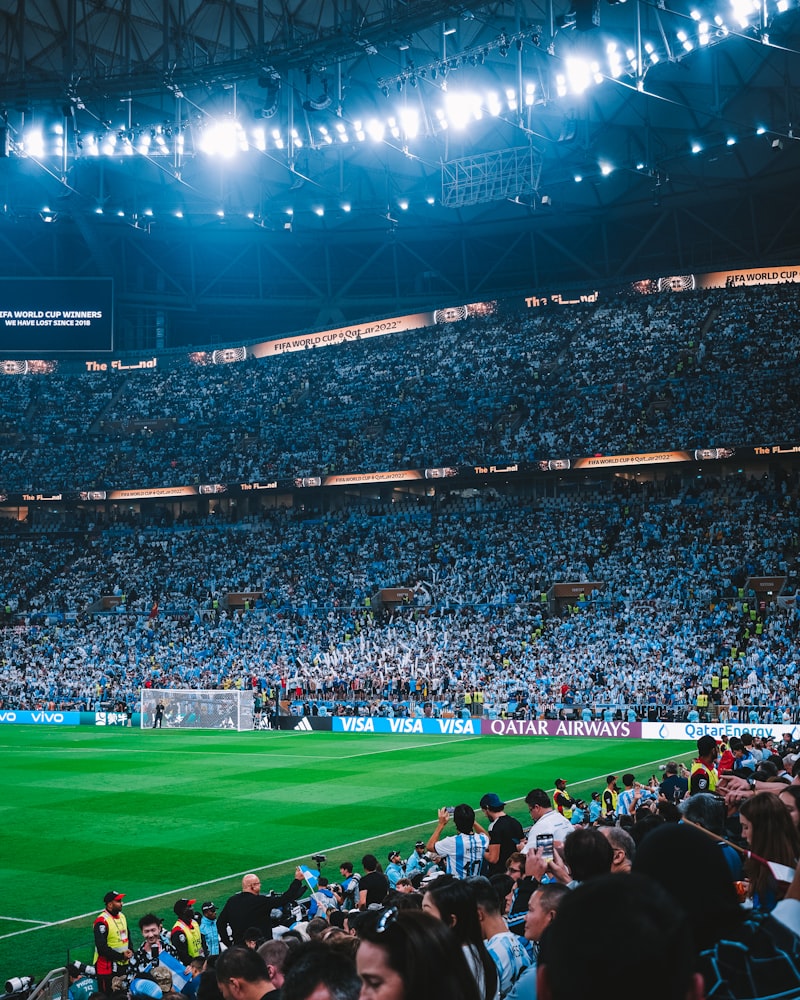
You might have attended a Super Bowl, a Champions League final, or an Olympic event. A World Cup is fundamentally different in several ways:
Planning your World Cup 2026 trip?
Our AI builds your complete itinerary — flights, hotels, visa, budget — delivered in 20–30 minutes. Free.
Generate Your Free Plan →- Duration: It lasts 39 days, not a single event. The entire country transforms for over a month.
- Global diversity: Fans from 48 different nations descend on host cities. You will hear dozens of languages, see hundreds of flags, and encounter cultures from every continent.
- City-wide atmosphere: The experience extends far beyond the stadium. Fan zones, street celebrations, pub gatherings, and spontaneous singing fill every host city from morning to night.
- Emotional stakes: For many nations, the World Cup is the single most important sporting event. The passion, tears, and celebration are unlike anything else in sport.
- Accessibility: Unlike most major finals, the World Cup offers matches at every price point — from $70 group stage tickets to premium final seats. Fan zones are completely free.
If you are attending your first World Cup in 2026, expect an emotional rollercoaster unlike anything you have experienced at a domestic league match or even a continental championship. The sheer scale — millions of fans, dozens of nationalities, and an entire continent as your playground — creates an atmosphere that simply cannot be replicated.
Planning Timeline: When to Do What as a First-Time World Cup Attendee
Preparation is the difference between a dream trip and a stressful one. Here is your timeline:
| Timeframe | Action Items |
|---|---|
| 12 months before | Apply for FIFA tickets during official sales phases. Check passport validity (must be valid 6+ months beyond travel dates). Start saving — budget $2,000–$5,000 per person for a 1-week trip. |
| 6 months before | Book flights and accommodation. Prices surge 3-4 months out. Research host cities and decide your route. Check visa requirements if you're travelling internationally. |
| 3 months before | Purchase travel insurance. Download the FIFA Ticket app. Book inter-city transport if attending matches in multiple cities. Start researching local restaurants, fan zones, and experiences. |
| 1 month before | Confirm all bookings. Buy a clear stadium bag. Get an eSIM for data coverage. Make copies of important documents. Break in your walking shoes. |
| 1 week before | Check weather forecasts. Pack using a World Cup packing list. Download offline maps. Charge all devices. Exchange some local currency. |
| Match day | Arrive at the stadium 2-3 hours early. Wear your team colours. Bring your clear bag, phone, and ticket app. Stay hydrated. |
Tickets: How the FIFA Ticketing System Works for Beginners
FIFA's ticketing system is different from buying concert or club football tickets. Here's what first-timers need to know:
Sales Phases
- Ballot (lottery) phase: You apply for tickets during a window, then FIFA randomly selects winners. This is the fairest and most affordable way to get tickets.
- First-come, first-served sales: Remaining tickets go on sale at set dates. Be online the moment sales open — popular matches sell out in minutes.
- Last-minute sales: FIFA releases returned tickets and additional inventory closer to the tournament. Check the FIFA Ticket portal regularly.
- Resale platform: FIFA operates an official resale platform where fans can resell tickets at face value. This is the ONLY safe secondary market.
Ticket Categories and Pricing for World Cup 2026
| Category | Location | Group Stage | Final |
|---|---|---|---|
| Cat 1 | Best seats, midfield | $220–$300 | $1,100–$1,600 |
| Cat 2 | Good seats, sideline | $150–$200 | $600–$900 |
| Cat 3 | Mid-range, corners | $90–$130 | $350–$500 |
| Cat 4 | Behind goals, upper tiers | $70–$90 | $200–$300 |
For a complete breakdown, read our How to Get World Cup 2026 Tickets guide. You can also set up Ticket Drop Alerts to get notified when new tickets become available.
Choosing Your Host City: Best Cities for First-Time World Cup Fans
With 16 host cities spread across three countries, choosing where to go is one of the most important decisions for a first-timer. Here are some factors to consider:
Best Overall Experience for Beginners
New York/New Jersey, Los Angeles, and Miami offer the most complete first-timer experience — international flight connections, excellent tourist infrastructure, diverse dining, and guaranteed electric atmospheres. New York hosts the World Cup Final at MetLife Stadium, making it the centerpiece of the entire tournament. Read our MetLife Stadium complete guide for details on the final venue.
Best Value for Budget-Conscious First-Timers
If cost is a major concern, the three Mexican host cities — Guadalajara, Mexico City, and Monterrey — offer daily costs 50-70% lower than US cities. A week in Guadalajara can cost as little as $440 compared to $1,400+ in New York. Check our cheapest World Cup cities ranking for detailed cost comparisons.
Best Atmosphere
Mexico City is legendary for football atmosphere. The Estadio Azteca has hosted two World Cup finals and the passion of Mexican fans is unmatched. For a North American football culture experience, Dallas and Houston will deliver the classic American sports experience with massive tailgating cultures.
Use our City Comparison tool to compare host cities side by side on cost, attractions, weather, and transport.
What to Expect on Match Day at the World Cup
Your first World Cup match day is unforgettable. Here's a typical timeline:
Morning (6-8 hours before kickoff)
Wake up to a city already buzzing with football energy. Fans in team colours fill the streets, restaurants, and public transport. Have a good breakfast — you will need the energy. Check the weather and dress appropriately. Prepare your clear bag with essentials: phone, charger, sunscreen, sunglasses, and your ticket app.
Pre-Match (3-4 hours before)
Head to the area around the stadium or the nearest fan zone. The atmosphere builds gradually — drums, chanting, face-painting, and spontaneous singing from rival fan groups. This pre-match atmosphere is one of the best parts of the World Cup experience. Grab food and drinks from vendors, meet fans from around the world, and take photos.
Stadium Entry (2-3 hours before)
Join the queue at your designated gate (printed on your ticket). Security screening takes 30-60 minutes. Once inside, find your seat, explore the concourse, and grab your first in-stadium beverage. Watch the stadium fill up — the rising noise level as kickoff approaches is electrifying.
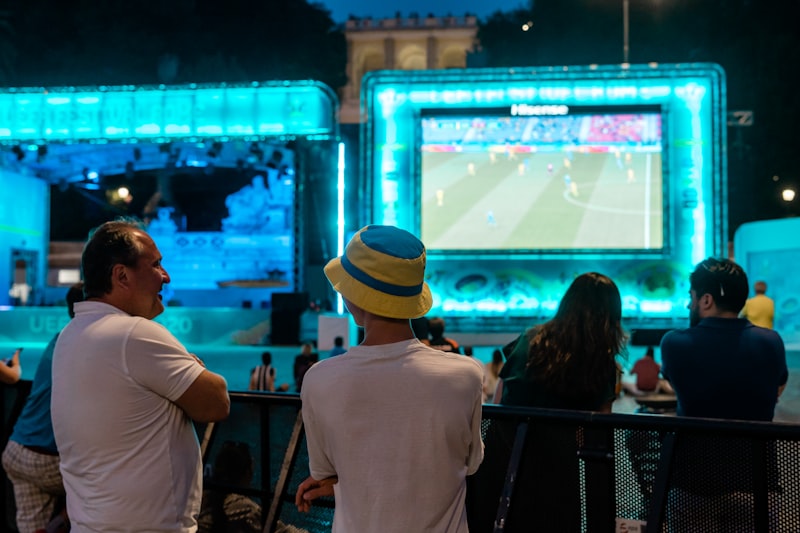
The Match (kickoff to final whistle)
Stand when the teams walk out. Sing your anthem with everything you have. The 90 minutes (plus injury time) will fly by. The collective emotion of 70,000+ fans reacting to every tackle, shot, and goal is something you will never forget. Stay in the moment — put your phone away for at least the first half and just experience it.
Post-Match (1-3 hours after)
Don't rush to leave. Soak in the atmosphere — winning fans celebrate, losing fans commiserate, and everyone shares the experience. Exiting takes 30-45 minutes due to crowd volume. Head to a nearby bar or fan zone to relive the match with other supporters. This post-match period often produces the best stories and memories.
Stadium Etiquette and World Cup Fan Culture
World Cup culture has its own unwritten rules. Here's what first-timers should know:
- Stand during goals and big moments. You will naturally rise with the crowd, but be prepared to be on your feet for extended periods during intense passages of play.
- Respect rival fans. Good-natured banter is expected and welcomed. Aggressive behaviour toward opposing supporters is not. The World Cup prides itself on mixing rival fans together peacefully.
- Learn your team's chants. Every national team has signature songs and chants. Learning even 2-3 of them transforms your experience from spectator to participant. YouTube has compilations for every major team.
- Don't block views. If your section is seated, avoid standing for extended periods unless everyone around you is standing too. Be considerate of families and shorter fans behind you.
- Trading scarves and pins. It is a beloved World Cup tradition to trade scarves, pins, flags, or small souvenirs with fans from other nations. Bring extras of your country's items to trade.
- Applaud good play. World Cup fans appreciate great football regardless of which team produces it. Applauding an opponent's brilliant goal is considered classy.
- Know the bag policy. Every stadium enforces a clear bag policy. Read our stadium bag policy guide or use the Bag Checker tool before heading to the venue.
What to Wear to Your First World Cup Match
Your outfit matters more than you think at a World Cup:
- Team jersey: This is non-negotiable. Wear your national team's shirt. If you don't support a specific team, pick one for the day — neutral fans are rare at the World Cup and wearing colours adds immensely to the experience.
- Comfortable shoes: You will walk 15,000–25,000 steps on match day. Wear broken-in trainers or walking shoes. Never wear new shoes to a World Cup match.
- Sun protection: Hat, sunglasses, and non-aerosol sunscreen. Many matches kick off in the afternoon heat, and stadiums in Dallas, Houston, and Miami can be sweltering.
- Light layers: Some indoor/retractable-roof stadiums (AT&T Stadium, Mercedes-Benz Stadium, SoFi Stadium) have aggressive air conditioning. A light jacket can save you from shivering.
- Moisture-wicking fabrics: Avoid cotton in hot cities. Synthetic or moisture-wicking materials keep you comfortable in the summer heat.
For a complete checklist, see our World Cup 2026 Packing List.
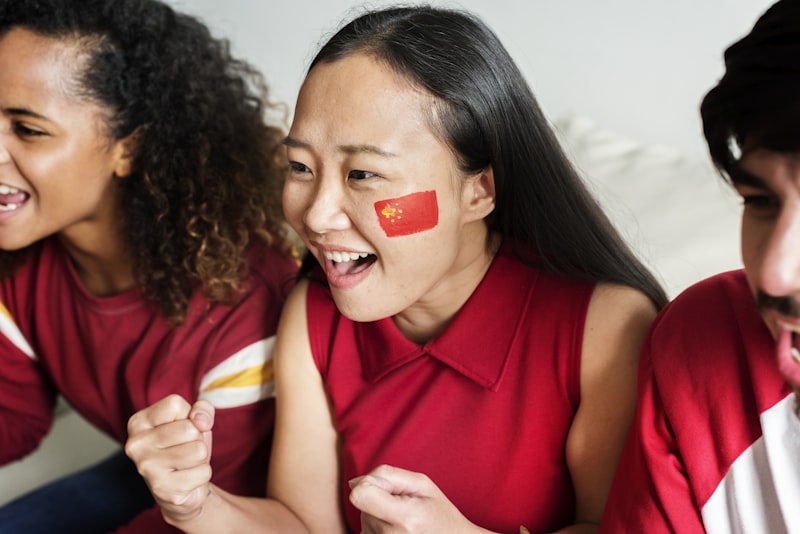
Visa and Entry Requirements for First-Time International Travellers
If you are travelling internationally to attend the World Cup, sorting out your entry documents should be one of your first tasks. The 2026 World Cup spans three countries, each with different visa regimes:
- United States: Citizens of 41 countries can enter via ESTA ($21). All others need a B1/B2 tourist visa. Check our ESTA guide for eligible countries.
- Canada: Many nationalities can enter via eTA (CAD $7). Others need a Temporary Resident Visa.
- Mexico: Visa-free for 65+ countries. Holders of valid US, Canadian, or Schengen visas can enter without a separate Mexican visa.
Every ticket holder also needs a FIFA Fan ID to enter stadiums. This is a free digital identity document linked to your tickets. Read our complete FIFA Fan ID registration guide for step-by-step instructions. For a full breakdown of all visa types, see our visa guide for all three countries.
Meeting Other Fans and Building Connections at Your First World Cup
The World Cup is the easiest place on earth to make friends. Here's how to maximise the social experience:
- Fan zones: Free-entry FIFA Fan Festivals are the best places to meet fellow supporters and fans from other nations.
- Fan marches: Many supporter groups organise pre-match marches from city centres to stadiums. Join in — they are open to everyone and the atmosphere is extraordinary.
- Supporter group events: Find your national team's official supporter group and their local events. The American Outlaws (USA), Voyageurs (Canada), and countless others host pre-match parties.
- Our Fan Connection Map: Plot your location and find other fans of your team travelling to the same city.
- Hostels and communal accommodations: Budget travellers staying in hostels or university dorms naturally form groups and travel together.
- Social media: Follow hashtags like #WorldCup2026 and #FWC2026 on social platforms. Many fan groups coordinate through WhatsApp, Telegram, and Discord channels.
Common First-Timer Mistakes to Avoid at the World Cup
Learn from those who've been before. These are the most common mistakes first-time attendees make:
- Underestimating distances. The USA is enormous. Dallas to Miami is 2,000 km. Don't assume you can drive between cities on the same day. Book flights for inter-city travel.
- Booking accommodation too late. Hotels in host cities sell out or triple in price months before the tournament. Book as early as possible, even before you have confirmed tickets.
- Arriving at the stadium at kickoff time. If you arrive when the match starts, you will miss the first 30 minutes sitting in security queues. Arrive 2-3 hours early.
- Not having a data plan. Relying on free WiFi is a recipe for frustration. Get an eSIM or local SIM card for reliable data in all three countries. Use our eSIM Finder tool.
- Buying tickets from scalpers. Unofficial tickets get voided at the gate. Only use the official FIFA platform. Read our scam warning guide to protect yourself.
- Ignoring the heat. Summer in Houston, Dallas, and Miami means 35-40°C (95-104°F). Dehydration and heat exhaustion are real risks. Drink water constantly.
- Overpacking your schedule. Don't try to attend a match every day. Build in rest days, sightseeing, and spontaneous adventures. The best World Cup memories often happen outside the stadium.
- Forgetting a clear bag. Read our stadium bag policy guide and buy a compliant bag before you travel.
- Not learning basic Spanish. If attending matches in Mexico, basic Spanish goes a long way. "Hola," "gracias," "dónde está," and "cerveza por favor" will cover most situations.
- Skipping travel insurance. Medical emergencies, flight cancellations, and lost luggage happen. Travel insurance is not optional for international travel. See our Travel Insurance guide.
Budgeting for Your First World Cup Trip
One of the biggest concerns for first-time World Cup attendees is how much the trip will actually cost. Here is a realistic breakdown for a 7-day trip attending 2-3 matches:
| Expense | Budget ($) | Mid-Range ($) | Comfort ($) |
|---|---|---|---|
| Flights (international) | $400–800 | $800–1,500 | $1,500–3,000 |
| Accommodation (7 nights) | $250–500 | $700–1,400 | $1,400–3,500 |
| Match tickets (2-3 games) | $140–270 | $300–600 | $600–1,500 |
| Food & drink (7 days) | $150–250 | $250–400 | $400–700 |
| Local transport | $50–100 | $100–200 | $200–400 |
| Total estimate | $990–1,920 | $2,150–4,100 | $4,100–9,100 |
For a detailed cost analysis by city, see our complete World Cup 2026 budget guide. You can also use our Budget Hub for a personalised cost estimate based on your specific travel dates, host city, and spending habits.
The Non-Match Experience: What to Do Beyond the Stadium
A World Cup is so much more than the 90 minutes inside a stadium. Here's what to experience beyond the matches:
Fan Zones and City Celebrations
Even without a stadium ticket, you can watch every match at official FIFA Fan Festivals — massive free-entry viewing parties with giant screens, live music, food, and the best crowd atmosphere outside the stadium.
Cultural Immersion
Take time to explore each host city. New York's museums, Miami's beaches, Mexico City's Aztec history, Toronto's food scene, and Seattle's coffee culture all deserve your attention. The World Cup is an excuse to travel — make the most of it.
Local Food
Each host city offers incredible dining. Mexican street tacos in Guadalajara, BBQ brisket in Dallas, deep-dish pizza in nearby Chicago, seafood in Seattle, and poutine in Toronto. Ask locals for recommendations — avoid tourist traps near stadiums. See our best food experiences guide for restaurant recommendations in every host city.
Safety Tips for First-Time World Cup Attendees
The World Cup is generally very safe, but first-timers should take standard precautions:
- Stay aware in crowds. Pickpockets thrive in large gatherings. Use a money belt or front-pocket wallet, and keep your phone secure during celebrations.
- Watch out for scams. Ticket fraud, fake accommodation listings, and overcharging taxi drivers are common at major sporting events. Use our AI Scam Checker to verify any suspicious offer.
- Share your itinerary. Let someone back home know where you are staying and which matches you are attending. Check in regularly.
- Keep copies of documents. Photograph your passport, tickets, hotel confirmations, and insurance documents. Store them in cloud storage so you can access them from any device.
- Know emergency numbers. USA: 911. Canada: 911. Mexico: 911 (since 2017). Save your country's embassy number in your phone.
For more detailed advice, read our complete safety tips guide and our interactive Safety Guide.
Travelling with Family to Your First World Cup
The World Cup is an incredible family experience, but travelling with children requires extra planning. Group stage matches — particularly those involving smaller nations — tend to have the most family-friendly atmospheres with less intense crowds. Book seats in Category 3 or 4 sections, which tend to be calmer. Bring noise-cancelling headphones for young children, as stadium noise levels during goals can exceed 120 decibels.
For a comprehensive guide on taking kids to the tournament, see our family guide to World Cup 2026 or try our AI Family Guide tool for personalised recommendations.
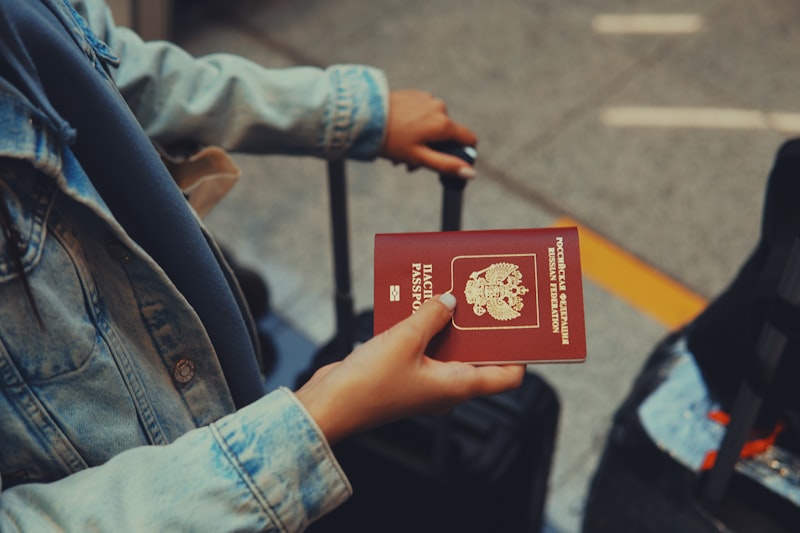
How to Capture and Preserve Your World Cup Memories
Photography Tips
- Use your smartphone. Professional cameras with detachable lenses are prohibited in stadiums. Modern smartphones take excellent photos and videos.
- Photograph the atmosphere, not just the pitch. Crowd shots, fan interactions, city scenes, and food are often more memorable than distant action shots.
- Shoot in burst mode during goals and celebrations to capture the perfect reaction shot.
- Record short videos of crowd chanting and stadium atmosphere — photos cannot capture the sound.
- Back up daily. Upload photos to cloud storage every evening. Losing your phone means losing all your memories otherwise.
Souvenirs
- Official FIFA merchandise: Match-specific programmes, pin badges, and the official match ball are classic keepsakes.
- Traded scarves: A scarf traded with a fan from another country is the most meaningful World Cup souvenir.
- Match ticket stub: Frame your digital ticket confirmation or buy a physical replica at merchandise shops.
- Local crafts: Mexican artisan crafts, Canadian maple products, and city-specific items make great memories.
Use our Memories feature to store, caption, and share your World Cup photos with AI-generated captions and poems.

Related Guides for First-Time World Cup Fans
- The Ultimate Guide to Traveling to FIFA World Cup 2026
- How to Get World Cup 2026 Tickets: Complete Breakdown
- World Cup 2026 Packing List: What to Bring
- World Cup 2026 Fan Zones: The Complete Guide
- Stadium Bag Policy: All 16 Venues
- Visa Guide: Entry Requirements for USA, Canada, and Mexico
Frequently Asked Questions About Attending the World Cup for the First Time
Budget $2,000–$5,000 per person for a 1-week trip including flights, accommodation, match tickets, food, and transport. Costs vary hugely by city — Mexican cities are 40-60% cheaper than US cities. A budget-conscious fan staying in hostels and attending group stage matches can manage on $1,500.
It depends on your nationality. Citizens of many countries can enter the USA, Canada, and Mexico visa-free or with an eTA/ESTA. Check the specific visa requirements for your passport well in advance — processing times can be 2-3 months. FIFA does not issue special visas for World Cup attendance, but the FIFA PASS programme helps ticket holders from visa-required countries get priority US visa appointments.
Yes. The World Cup is one of the safest sporting events to attend solo. Heavy security, international police cooperation, and the welcoming fan culture make it very accessible for solo travellers. You will make friends within minutes at fan zones and around stadiums. Many first-time attendees travel solo and report it as one of the best experiences of their lives.
English is sufficient for all US and Canadian cities. For Mexican host cities (Mexico City, Guadalajara, Monterrey), basic Spanish is very helpful. Translation apps work well for getting by, and our World Cup Translator tool is designed specifically for match day situations.
Absolutely. Millions of fans attend every World Cup without ever entering a stadium. Free fan zones, city celebrations, watch parties, and the electric street atmosphere make it entirely worthwhile. Many seasoned World Cup travellers say the best experiences happen outside the stadium.
For first-timers, 2-4 matches over a 7-10 day trip is ideal. This gives you time to enjoy each match day fully without exhausting yourself. Quality over quantity — one well-planned match day beats three rushed ones. Build in rest days between matches for sightseeing and spontaneous adventures.
For Americans, your nearest host city is the easiest choice. For international visitors, New York, Los Angeles, and Miami offer the best combination of World Cup atmosphere, tourist attractions, and international flight connections. Mexico City offers the best value for budget travellers. Use our City Comparison tool to compare options.
Now. If you haven't started yet, you are already behind on accommodation pricing. Flights, hotels, and popular experiences book up months in advance. Use our AI Trip Generator to create a personalised plan in minutes and start booking immediately.
Yes. Every person aged 13 and above needs a FIFA Fan ID linked to their match tickets. Registration is free and takes about 10 minutes online. Your FIFA ID is digital — accessed through the official FIFA app — and must match your passport details exactly.
Essential items include your team jersey, comfortable broken-in walking shoes, a clear stadium-compliant bag, portable phone charger, sunscreen, and light layers. The summer heat in many US and Mexican cities means moisture-wicking fabrics are important. See our complete packing list for a full checklist.
Yes, the World Cup is one of the most family-friendly major sporting events. Group stage matches are particularly welcoming for families. FIFA offers discounted tickets for children, and fan zones have activities for all ages. See our family travel guide for tips on attending with children.
Most host cities have public transit connecting airports to city centres and stadium areas. In the US, rideshare apps (Uber, Lyft) are widely available. In Mexico, use Uber or DiDi for safe, metered transport. On match days, many cities run special shuttle services to stadiums. Avoid unlicensed taxis, especially at airports. Our AI trip planner includes transport recommendations specific to your chosen city.
Plan Your World Cup Trip
Generate your free personalised World Cup 2026 travel plan at worldcupguide.ai — our AI covers flights, hotels, match tickets, and complete itineraries across all 16 host cities.