The 2026 FIFA World Cup spans 16 host cities across three countries, and the cost of attending varies dramatically depending on where you go. A single match day in Mexico City can cost under $80, while the same experience in New York or Vancouver could set you back $400 or more. Choosing the right city — or the right combination of cities — is the single biggest lever you have for controlling your World Cup budget.
This guide ranks every host city from cheapest to most expensive using real-world data on accommodation, food, local transport, and incidentals. Whether you are a backpacker stretching every dollar or a comfort traveler who wants value for money, this cheapest World Cup 2026 cities ranking will help you decide where to base yourself for the tournament.
Complete City-by-City Cost Ranking: All 16 World Cup 2026 Host Cities
The table below ranks all 16 host cities by estimated total daily cost for a typical fan. These figures are based on mid-range accommodation (private room, not luxury hotel), eating a mix of street food and restaurants, and using public transport. Match tickets are excluded because prices are the same regardless of city — only your day-to-day living costs differ.
Planning your World Cup 2026 trip?
Our AI builds your complete itinerary — flights, hotels, visa, budget — delivered in 20–30 minutes. Free.
Generate Your Free Plan →| Rank | City | Accommodation/Night | Food/Day | Transport/Day | Total/Day |
|---|---|---|---|---|---|
| 1 | Guadalajara | $45–70 | $15–25 | $3–5 | $63–100 |
| 2 | Mexico City | $50–80 | $15–28 | $2–4 | $67–112 |
| 3 | Monterrey | $55–90 | $18–30 | $3–6 | $76–126 |
| 4 | Houston | $80–173 | $25–40 | $8–15 | $113–228 |
| 5 | Kansas City | $85–160 | $25–40 | $8–12 | $118–212 |
| 6 | Dallas | $90–180 | $25–42 | $8–15 | $123–237 |
| 7 | Atlanta | $95–200 | $28–45 | $7–12 | $130–257 |
| 8 | Philadelphia | $100–200 | $28–45 | $8–12 | $136–257 |
| 9 | Seattle | $110–220 | $30–48 | $7–12 | $147–280 |
| 10 | Toronto | $120–299 | $30–50 | $8–14 | $158–363 |
| 11 | Boston | $130–280 | $32–50 | $9–14 | $171–344 |
| 12 | Los Angeles | $130–300 | $30–50 | $10–18 | $170–368 |
| 13 | Miami | $140–350 | $32–55 | $10–18 | $182–423 |
| 14 | San Francisco | $150–343 | $35–55 | $10–16 | $195–414 |
| 15 | New York/New Jersey | $160–583 | $35–60 | $10–15 | $205–658 |
| 16 | Vancouver | $170–404 | $35–58 | $8–14 | $213–476 |
✈️ Flying to a budget-friendly World Cup city? Compare multi-city routes in one search:
Find the cheapest World Cup flights on Kiwi.com ↗Affiliate link — we earn a small commission at no extra cost to you.
Top 5 Cheapest World Cup 2026 Cities: Detailed Budget Breakdown
1. Guadalajara, Mexico — From $63/Day (Cheapest World Cup City)
Guadalajara is the clear budget champion. Matches take place at Estadio Akron, a modern 49,000-seat venue. Public transport costs just $0.55 per ride on the city's light rail and bus system. Street food like tortas ahogadas, birria tacos, and elote run $2–5 per meal. Mid-range restaurants serve full dinners for $10–15. Budget hostels start at $15/night, while comfortable Airbnb apartments in central neighborhoods like Chapultepec or Americana go for $45–70/night.
2. Mexico City — From $67/Day (Best Value World Cup Experience)
The capital hosts the tournament's opening match at the legendary Estadio Azteca. Mexico City's metro system is one of the cheapest in the world at just $0.35 per ride. The city offers an incredible food scene — from $1 taco stands to world-class restaurants at a fraction of US prices. Accommodation in neighborhoods like Roma, Condesa, and Coyoacan is plentiful and affordable. A comfortable Airbnb in Roma Norte runs $50–80/night. Read our Mexico City World Cup guide for a full city breakdown.
3. Monterrey, Mexico — From $76/Day
Monterrey is Mexico's industrial capital and offers a slightly more expensive experience than Guadalajara or Mexico City, but still far cheaper than any US or Canadian city. Hotels near Estadio BBVA average $207/night for match days, but budget alternatives like hostels and Airbnbs bring costs down to $55–90/night. The craft beer scene is excellent, with local breweries offering pints for $3–4.
4. Houston, USA — From $113/Day (Cheapest US Host City)
Houston topped value-for-money rankings among US host cities, with a matchday index score of 94.66 out of 100 in cost analyses. Accommodation averages $173/night — the lowest of any American host city. The city's enormous restaurant scene means competitive food prices, with Tex-Mex meals for $10–15 and Asian food district options under $12. The METRORail light rail connects key areas, and rideshare fares are among the cheapest in the US. See our Dallas & Houston guide for more.
5. Kansas City, USA — From $118/Day
Kansas City is often overlooked but offers outstanding value. Hotels are plentiful and moderately priced, barbecue meals are generous and affordable ($12–18 for a full plate at legendary spots like Joe's KC or Q39), and the city's compact layout keeps transport costs low. Arrowhead Stadium (GEHA Field) is well connected by shuttle services on match days.
Top 5 Most Expensive World Cup 2026 Cities: What to Expect
16. Vancouver, Canada — From $213/Day (Most Expensive Host City)
Vancouver claims the dubious honor of most expensive host city. Hotels average $404/night, with game-day peaks reaching $1,455/night. The Canadian dollar offers some relief for visitors with strong currencies, but Vancouver's accommodation market is tight even in normal times. Food costs $35–58/day, and while the city's transit system (TransLink) is efficient, everything else carries a premium.
15. New York/New Jersey — From $205/Day
MetLife Stadium hosts the tournament final, and hotel prices reflect that prestige. Average hotel rates around the stadium area reach $583/night. Manhattan hotels during match weeks can exceed $1,000/night. However, smart travelers can save by staying in Newark, Jersey City, or Hoboken — all connected to MetLife Stadium by transit — where rates drop to $150–250/night. Food ranges from $2 pizza slices to $60 dinners, with plenty of affordable ethnic food in every borough. Read our MetLife Stadium complete guide for the final venue.
14. San Francisco Bay Area — From $195/Day
The Bay Area scored the lowest matchday value index at just 14.66 out of 100, largely driven by stadium concession prices — a pint of beer averages $14.37 at Levi's Stadium. Hotels average $343/night, and food costs run high at $35–55/day. Consider staying in San Jose or Oakland for lower accommodation costs while still accessing the stadium via Caltrain or BART.
13. Miami — From $182/Day
Miami's World Cup costs are elevated by the summer peak season for South American tourists. Hotels in Miami Beach and downtown run $300–500/night during normal summer periods and spike to $500–800 during match weeks. However, neighborhoods like Little Havana and Wynwood offer more affordable dining ($12–20 for full meals), and the Metrorail provides cheap transit at $2.25 per ride. See our Miami World Cup guide for budget tips.
12. Los Angeles — From $170/Day
LA's sprawling layout means you need a car or rideshare for most journeys, adding $30–50/day in transport costs. Hotels near SoFi Stadium in Inglewood average $200–350/night. Budget travelers should look at neighborhoods along the Metro E Line, which connects downtown LA directly to the stadium area. LA's taco trucks and food trucks keep food costs manageable at $25–40/day if you avoid tourist traps. Read our Los Angeles World Cup guide for detailed neighbourhood advice.
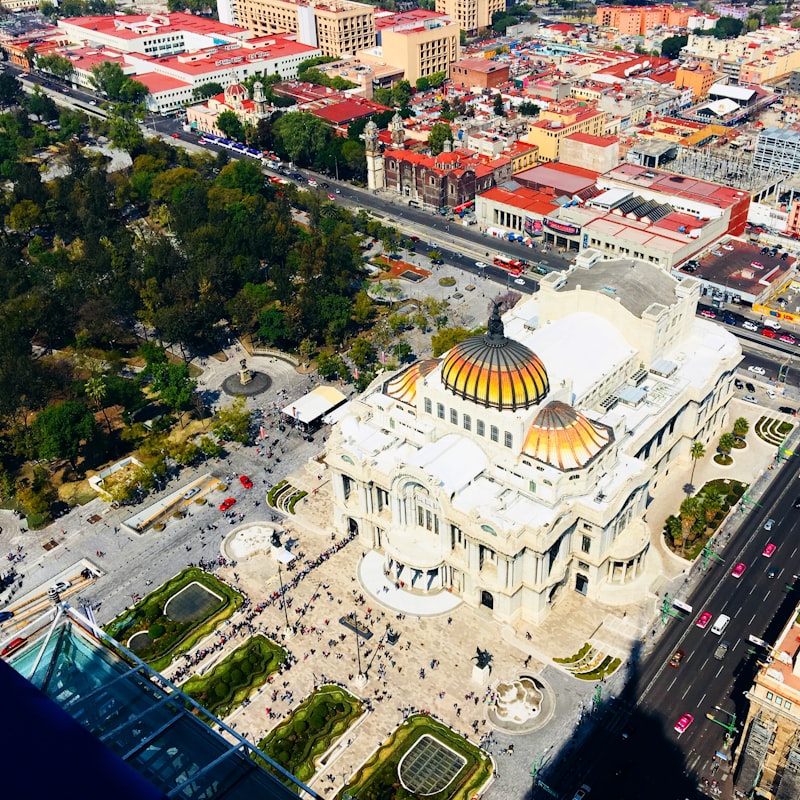
Mexico: The Budget Champion for World Cup 2026 Fans
All three Mexican host cities dominate the top of the cheapest list, and it is no coincidence. The favorable exchange rate (approximately 17–18 pesos per US dollar) means your money goes 3–4 times further than in US cities. Here is why Mexico is the budget traveler's best friend:
- Accommodation: A comfortable private room that costs $200/night in Houston goes for $50–70/night in Mexico City
- Food: Street food meals cost $2–5 versus $12–18 in the US. Restaurant meals run $8–15 versus $25–45
- Transport: Mexico City's metro is $0.35 per ride. Guadalajara's light rail is $0.55. Compare that to $2.90 in New York or $6 for a BART ride in San Francisco
- Entertainment: Bars, clubs, and cultural attractions are 50–70% cheaper than their US equivalents
- Beer: A pint of local beer costs $2–3 in Mexico versus $8–15 at US stadiums
Affordable US Host Cities: Budget-Friendly Options in America
The 11 US host cities show enormous variation. Houston and Kansas City are genuinely affordable by American standards, while New York and San Francisco approach European capital pricing. Here is how to think about the US tier:
Budget-Friendly US Cities ($113–$237/day)
- Houston: Best overall value among US cities. Huge hotel supply keeps prices competitive
- Kansas City: Compact, affordable, and famous for cheap but world-class barbecue
- Dallas: Large hotel inventory and affordable suburbs like Arlington and Irving
- Atlanta: Good transit system (MARTA), diverse food scene with Southern comfort food at reasonable prices
Mid-Range US Cities ($136–$280/day)
- Philadelphia: More affordable than nearby New York, with excellent public transit and a strong food scene
- Seattle: Moderate accommodation costs but higher food and drink prices. Light rail connects the airport to downtown and stadium area
Premium US Cities ($170–$658/day)
- Los Angeles, Miami, San Francisco, New York, Boston: High baseline costs that spike during the tournament. Budget travelers in these cities need to be strategic with accommodation location and meal choices
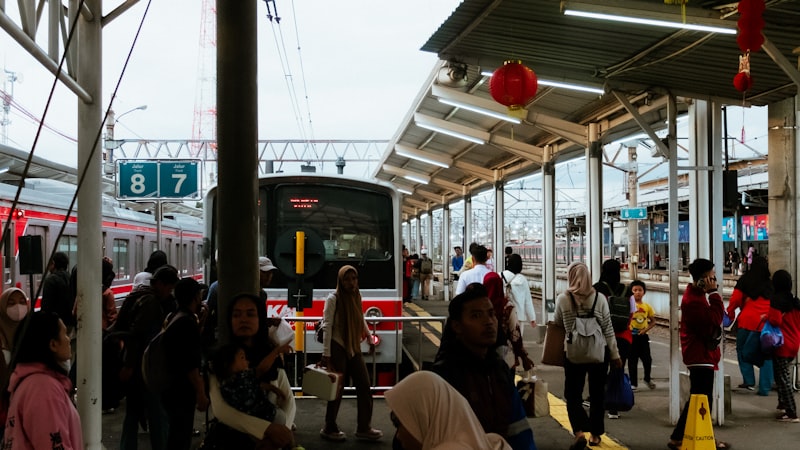
Canada: The Exchange Rate Factor for World Cup Budgets
Toronto and Vancouver are both expensive cities by any measure, but visitors paying in US dollars, euros, or British pounds benefit from the favorable exchange rate. The Canadian dollar has been trading at roughly CAD $1.35–1.40 per USD, giving American visitors an effective 25–30% discount on listed prices.
That said, even with the exchange rate advantage, Vancouver remains the tournament's most expensive city, and Toronto is not far behind. Budget travelers should look at staying in Mississauga or Brampton (for Toronto matches) or Surrey and Burnaby (for Vancouver matches) to access lower accommodation prices while staying connected by transit. Read our Toronto World Cup guide for affordable neighbourhood suggestions.
Budget Hacks for Expensive World Cup Host Cities
If your team is playing in one of the pricier host cities, here are proven strategies to keep costs down:
- Stay in neighboring cities: Newark instead of Manhattan, Pasadena instead of downtown LA, Arlington instead of central Dallas. Transit connections to stadiums are excellent from these alternatives
- Book university dorm housing: Many universities near stadiums offer summer dorm rooms for $40–80/night. Check our dorm accommodation guide for listings
- Use the hostel network: HI USA hostels exist in most major cities at $30–50/night for dorm beds
- Cook your own meals: Airbnbs with kitchens let you prepare breakfast and lunch, saving $20–30/day on food
- Buy transit passes: Weekly or multi-day passes save 30–50% versus single-ride fares in cities like New York, Boston, and Toronto
- Eat where locals eat: Walk 10 minutes from the stadium area and prices drop by 40–60%. Use Google Maps to find highly rated restaurants in residential neighborhoods
- Travel on non-match days: Hotels are 31% cheaper on nights without matches. If possible, arrive a day before and leave a day after your match
- Share accommodation: Splitting a 2-bedroom apartment between 3–4 fans is nearly always cheaper per person than individual hotel rooms
How to Save Money by Choosing the Right World Cup City
If you have flexibility on which matches to attend, city selection is your most powerful budgeting tool. Consider this: a 7-day trip to Guadalajara costs approximately $440–700 total, while the same 7 days in New York would run $1,435–4,606. That is a difference of up to $4,000 for the same number of matches.
For fans following a specific team, you may not have full flexibility — but you can optimize around the matches you must attend. If your team plays in both an expensive and a cheap city during the group stage, spend more days in the cheaper location and minimize nights in the expensive one.
Use our Budget Hub to calculate personalized daily costs for any combination of host cities, and our Budget Tracker to monitor your spending throughout the tournament.
Accommodation Types Ranked by Cost for World Cup 2026
Choosing the right accommodation type can save you hundreds of dollars over a week-long trip. Here is how different options compare across all 16 host cities:
| Type | Price Range | Best For | Availability |
|---|---|---|---|
| University dorms | $30–80/night | Solo budget travellers | Limited — book early |
| Hostels | $30–60/night | Solo/young travellers | Good in most cities |
| Airbnb (shared) | $40–100/night | Groups splitting costs | Excellent — high supply |
| Budget hotel | $80–180/night | Couples, comfort seekers | Moderate — book 3-6 months ahead |
| Mid-range hotel | $150–350/night | Families, mid-budget | Good with early booking |
| Luxury hotel | $300–1,000+/night | Premium experience | Available but prices spike |
For complete accommodation recommendations, see our World Cup 2026 budget guide and the dorm accommodation listings.
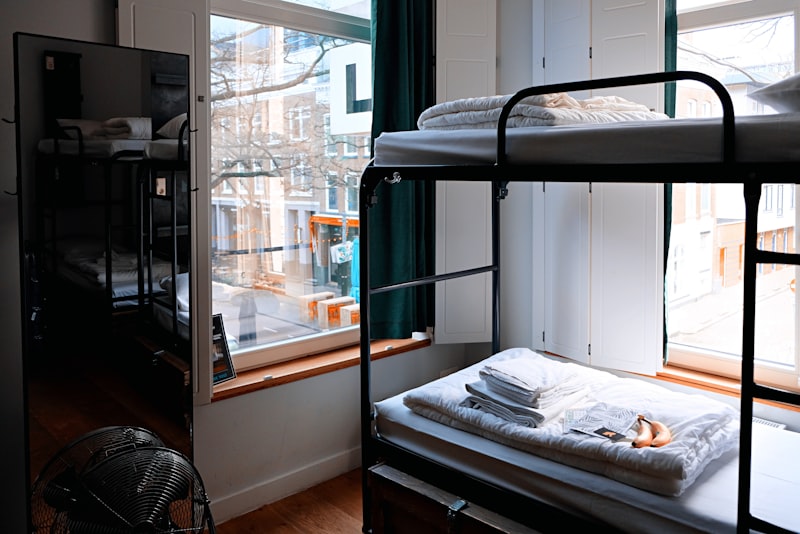
🏨 Compare live prices across hotels, hostels, and apartments in any World Cup city:
Search accommodation on Booking.com ↗Affiliate link — we earn a small commission at no extra cost to you.
Food and Drink Cost Comparison Across World Cup Host Cities
Food is one area where you have significant control over your budget. Here is what typical meals cost across the cheapest and most expensive cities:
| Meal Type | Mexico Cities | Budget US Cities | Premium US Cities | Canadian Cities |
|---|---|---|---|---|
| Street food | $2–5 | $5–10 | $8–15 | $8–14 |
| Restaurant lunch | $5–10 | $10–18 | $15–28 | $14–25 |
| Restaurant dinner | $8–18 | $15–30 | $25–55 | $20–45 |
| Beer (bar/pub) | $2–4 | $5–8 | $8–14 | $7–12 |
| Beer (stadium) | $5–8 | $10–14 | $12–16 | $10–15 |
For restaurant recommendations in every host city, read our best food experiences guide.
Related Guides
- World Cup 2026 on a Budget: How to Spend Less and See More
- Best Food Experiences in World Cup 2026 Host Cities
- The Ultimate Guide to Traveling to FIFA World Cup 2026
- World Cup 2026 First-Time Attendee Guide
- World Cup 2026 Packing List: What to Bring
Frequently Asked Questions About World Cup 2026 City Costs
Guadalajara, Mexico is the cheapest host city overall, with daily costs starting from approximately $63/day including accommodation, food, and transport. All three Mexican cities (Guadalajara, Mexico City, and Monterrey) occupy the top three cheapest positions.
Vancouver, Canada is the most expensive host city, with average hotel rates of $404/night and game-day peaks reaching $1,455/night. New York/New Jersey is a close second, with average hotel rates around $583/night near MetLife Stadium.
It depends entirely on the city. Budget travelers can manage $63–120/day in Mexican cities, $113–250/day in affordable US cities like Houston or Kansas City, and $170–400+/day in premium cities like New York, San Francisco, or Vancouver.
Yes. Mexico City, Guadalajara, and Monterrey are major metropolitan areas that regularly host international events. Standard travel precautions apply — stay in well-traveled areas, use official taxis or ride-hailing apps, and keep valuables secure. The World Cup will bring heightened security to all host cities. Read our safety tips guide for detailed advice.
Almost always yes. Neighboring cities and suburbs offer accommodation at 30–60% less than downtown hotels near stadiums. For example, staying in Newark for New York matches or Mississauga for Toronto matches can save $100–300/night while adding only 30–45 minutes of transit time.
FIFA ticket prices are the same regardless of city. Group stage tickets start at approximately $35 for Category 4 seats and go up to $225+ for Category 1. Knockout round tickets range from $75 to $600+, and the final starts at $150 for the cheapest category. Read our complete ticket guide for full pricing details.
Always pay in local currency (Mexican pesos or Canadian dollars) to avoid unfavorable exchange rates. ATM withdrawals typically offer the best exchange rates. Avoid airport currency exchange booths, which charge 5–15% premiums. Credit cards with no foreign transaction fees are ideal for larger purchases.
Hotels in host cities charge an average of 31% more on game nights compared to non-game nights. In premium cities like New York and Vancouver, the markup can exceed 50%. Book as early as possible and choose refundable rates so you can adjust if your plans change.
For US domestic travel, budget airlines like Spirit, Frontier, and Southwest offer the cheapest flights between host cities ($50–150 one way if booked early). Amtrak trains connect some eastern cities (Boston, Philadelphia, New York) affordably. In Mexico, budget airlines like Volaris and VivaAerobus offer flights between Mexican cities for $30–80. Bus travel (FlixBus in the US, ADO in Mexico) is the cheapest option at $20–60 between cities.
Absolutely. A backpacker staying in hostels ($15–40/night), eating street food, using public transport, and attending group stage matches in Mexican cities can manage on $50–80/day. Even in US cities, budget-conscious fans staying in hostels or university dorms can keep costs to $100–150/day. The fan zone experience is completely free in all 16 cities.
Book early (6+ months ahead) for the best rates. Compare prices across Booking.com, Airbnb, Hostelworld, and our university dorm listings. Consider staying in suburbs or neighbouring cities for 30–60% savings. Shared apartments split between 3-4 fans offer the best per-person value. Watch for accommodation scams — if a deal looks too good to be true, verify it before paying.
Common expenses fans forget to budget for include: travel insurance ($50–150), eSIM or data plan ($20–50), stadium food and drinks ($30–50 per match), souvenirs and merchandise ($50–200), visa fees (ESTA $21, eTA CAD $7, or full visa $160+), and tips (15–20% in the US, 10–15% in Mexico). Use our Budget Hub to build a complete cost estimate including these extras.
Plan Your World Cup Trip
Generate your free personalised World Cup 2026 travel plan at worldcupguide.ai — our AI covers flights, hotels, match tickets, and complete itineraries across all 16 host cities.