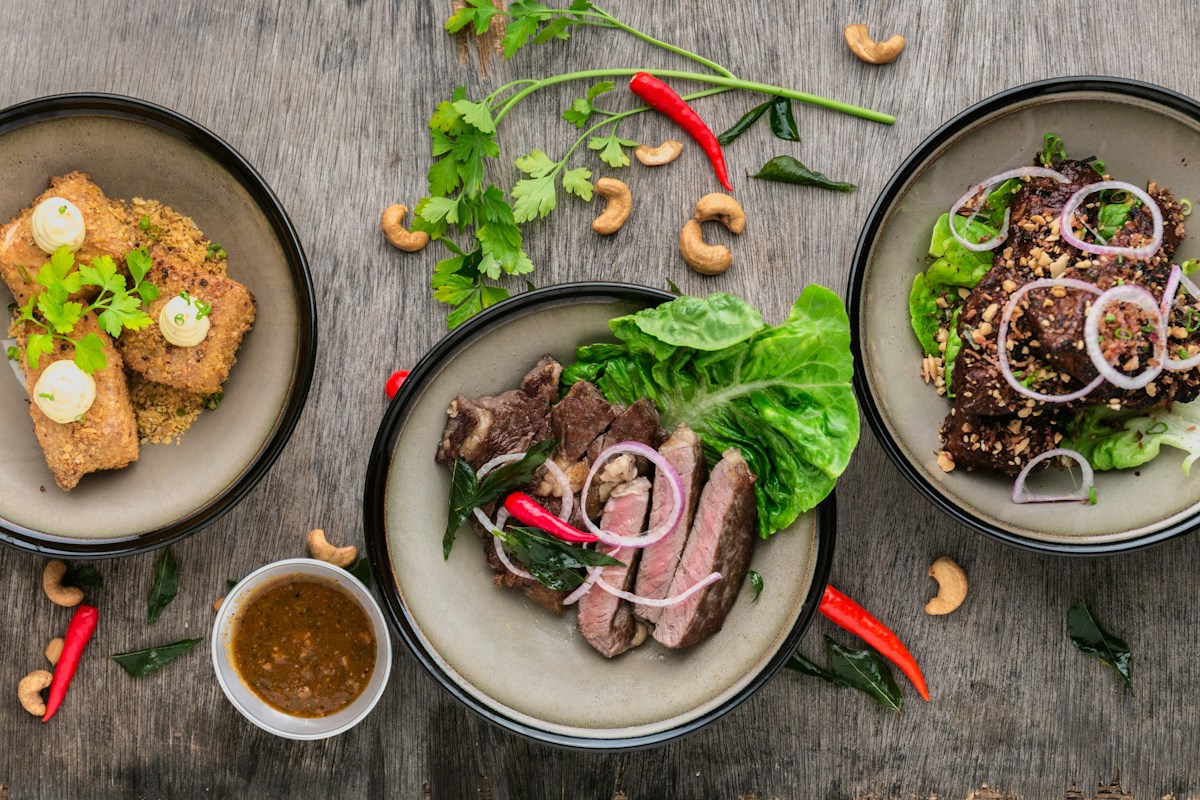
Tacos al pastor in Mexico City. Slow-smoked brisket in Dallas. Tourtière in Toronto. Cuban sandwiches in Miami.
The 2026 World Cup is the most culinarily diverse tournament ever — but with 16 host cities and thousands of restaurants, where do you actually eat?
This guide cuts through the noise. Local favorites, must-try dishes per city, and where to skip the tourist crowds.
Planning your World Cup 2026 trip?
Our AI builds your complete itinerary — flights, hotels, visa, budget — delivered in 20–30 minutes. Free.
Generate Your Free Plan →Food is more than fuel at the World Cup — it is part of the cultural experience. Each host city has its own culinary identity shaped by centuries of immigration, geography, and tradition. Planning your meals is almost as important as planning your match schedule, especially when you consider that food costs can make up 20-30% of your total trip budget. This guide helps you eat incredibly well without overspending.
Mexico: The Best Street Food at Any World Cup Host City
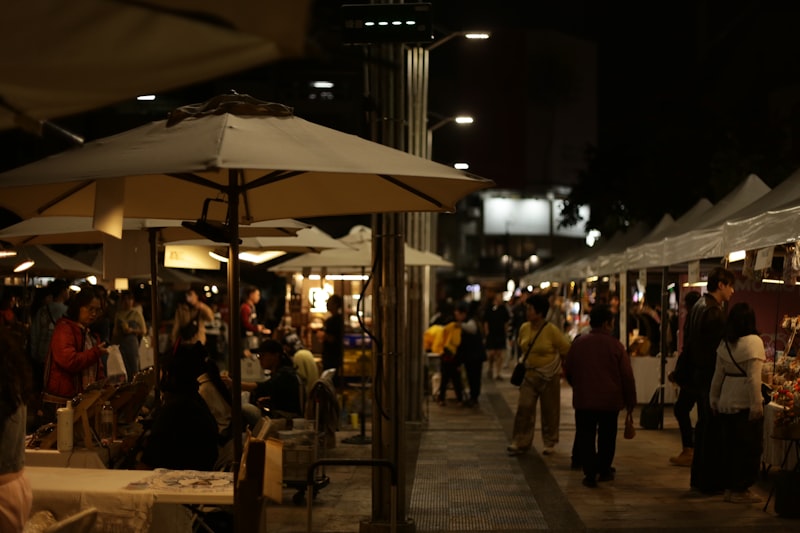
Mexico offers the best food value at any World Cup in history. You can eat three incredible meals a day for under $15. The country's culinary tradition was recognized by UNESCO as an Intangible Cultural Heritage of Humanity, and once you taste the food, you will understand why. Street food in Mexico is not a compromise — it is often better than restaurant food, prepared by vendors who have perfected a single recipe over decades.
Mexico City: World Cup 2026 Food Capital
Mexico City is widely regarded as one of the greatest food cities on the planet, and for good reason. The capital has everything from $1 street tacos to world-renowned fine dining at Pujol and Quintonil. For World Cup visitors, the sweet spot is the incredible middle ground — market stalls, fondas, and taquerias where locals eat every day.
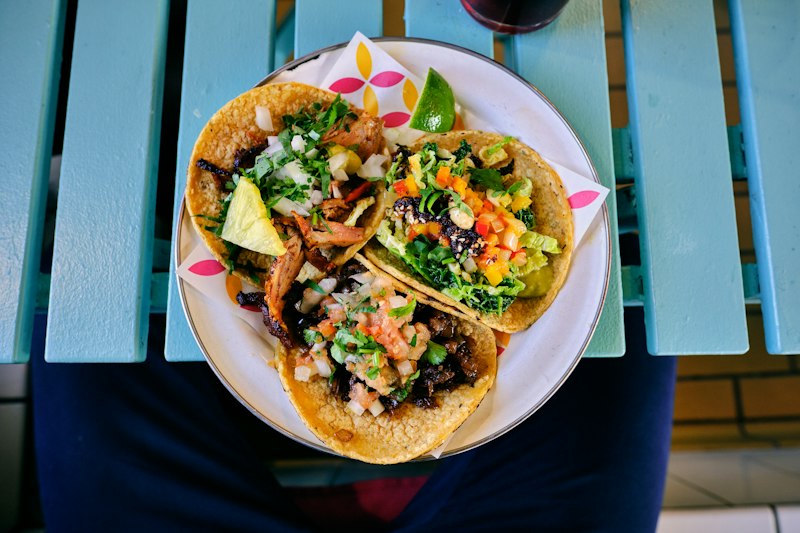
- Tacos al pastor: Spit-roasted pork with pineapple, cilantro, and salsa on fresh corn tortillas — $1-2 each. Find the best ones at El Huequito in the Centro Historico or Taqueria Los Cocuyos for late-night cravings after evening matches.
- Chilaquiles: Fried tortilla strips in green or red salsa with cream, cheese, and egg — the ultimate Mexican breakfast ($3-5). Every fonda serves them, and each version is different.
- Mole: Rich, complex sauce with chocolate, chili, nuts, and dozens of spices over chicken — a special occasion dish ($6-10). Try it at Cafe de Tacuba or any market stall in Coyoacan.
- Elote and Esquites: Street corn with mayo, chili, lime, and cheese — the perfect snack walking to Estadio Azteca ($1-2). Elote is on the cob; esquites come in a cup.
- Churros: Fresh-fried dough with sugar and chocolate sauce — find them outside every stadium and metro station ($1-3).
- Tamales: Steamed corn dough filled with meat, cheese, or vegetables wrapped in corn husks — the original portable food, perfect for match days ($1-2).
- Tlacoyos: Thick blue corn tortillas stuffed with beans or cheese, topped with nopales and salsa — an ancient Aztec street food still served today ($1-2).
Guadalajara Food Guide for World Cup Visitors
Guadalajara is the birthplace of mariachi, tequila, and birria — and all three come together beautifully. The city's food scene is traditional Jaliscan cuisine at its finest.
- Birria: Slow-cooked goat or beef stew with rich chili broth — Guadalajara's signature dish. Try it at Birrieria Las 9 Esquinas ($5-8).
- Torta ahogada: A crusty bread roll stuffed with pork and drowned in spicy tomato sauce — messy and magnificent ($3-5).
- Tejuino: A fermented corn drink served cold with lime sorbet — refreshing and unique to Jalisco ($1-2).
Monterrey: Northern Mexican Cuisine
Monterrey's food culture revolves around meat. The city is famous for its carne asada tradition — families and friends gathering around open grills on weekends is a way of life.
- Cabrito: Slow-roasted young goat, the signature dish of Nuevo Leon ($10-15 for a full plate).
- Carne asada: Grilled beef served with flour tortillas, grilled onions, and guacamole — the ultimate northern Mexican meal ($8-12).
- Machacado con huevo: Dried beef scrambled with eggs — the classic Monterrey breakfast ($4-6).
Texas BBQ and Tex-Mex: World Cup 2026 in Dallas and Houston
Texas does not just have good food — it has religious food experiences. Barbecue in Texas is an art form, and the state's position on the Mexican border means Tex-Mex cuisine is among the best in the world. World Cup visitors to Dallas and Houston are in for a treat.
Dallas Must-Eat Restaurants and Food Spots
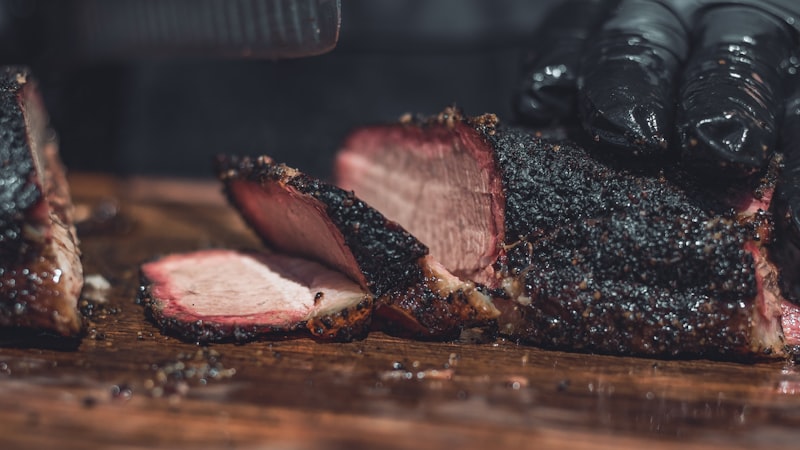
- Pecan Lodge: Legendary brisket that has won every major BBQ competition. Arrive by 10:30 AM to avoid the 2-hour line. The beef rib is otherworldly ($15-25 per plate).
- Cattleack Barbeque: Open only Thursday and Saturday — possibly the best brisket in Dallas. They sell out by noon.
- Tacos La Banqueta: Authentic street-style tacos on every corner, open late after evening matches ($2-3 each).
- Deep Ellum food scene: Craft beer and creative street food in a walkable entertainment district. Perfect pre-match or post-match atmosphere.
- Pecan Lodge Hot Mess: King Ranch Casserole, loaded baked potato — Texas comfort food at its finest.
Houston Must-Eat Restaurants and Food Spots
- Killen's BBQ: Some of the best brisket in Texas, worth the drive to Pearland. Their burnt ends are legendary ($15-25).
- Chinatown (Bellaire Blvd): The largest Chinatown in the South with incredible dim sum, pho, Sichuan hot pot, and Vietnamese banh mi — all at great prices ($8-15).
- Nigerian food on Bissonnet: Houston has the largest Nigerian community in the US. Try jollof rice, suya, and egusi soup — an unforgettable cultural experience ($10-15).
- Breakfast Klub: Famous catfish and grits, fluffy waffles, and wings — arrive early ($12-18).
- Goode Company BBQ: Czech-Texan smoked sausage and mesquite-grilled brisket since 1977 ($12-20).
Book food tours, market visits, and cooking classes at every World Cup host city — taste the food before the match
Browse food tours on GetYourGuide ↗Affiliate link
East Coast Food Guide: Iconic American Eats in World Cup Cities
The East Coast World Cup host cities each have a signature dish that defines them. These are not just tourist attractions — they are culinary identities that locals take seriously. Eating your way through the East Coast during the World Cup is a food adventure in itself.
| City | Signature Dish | Where to Get It | Cost |
|---|---|---|---|
| New York | Pizza slice | Joe's Pizza, Prince St Pizza, Di Fara | $3-6 |
| Philadelphia | Cheesesteak | Jim's on South St, John's Roast Pork | $10-14 |
| Boston | Lobster roll | Neptune Oyster, Luke's Lobster | $18-28 |
| Miami | Cuban sandwich | Versailles, La Carreta | $8-12 |
| Atlanta | Fried chicken | Busy Bee Cafe, Hattie B's | $12-16 |
New York City Food for World Cup Fans
New York is arguably the world's greatest food city — every cuisine on earth is represented within its five boroughs. For World Cup visitors heading to MetLife Stadium in New Jersey, the food options in Manhattan and Brooklyn alone could fill a separate guidebook.
- Dollar slice shops: 99-cent pizza slices that are genuinely good — perfect fuel before matches.
- Halal cart food: The Halal Guys and countless street cart vendors serve lamb over rice with white sauce for $6-8. It is the quintessential New York street meal.
- Chinatown and Little Italy: Dim sum at Nom Wah Tea Parlor, hand-pulled noodles at Xi'an Famous Foods, cannoli at Ferrara Bakery.
- Smorgasburg (Brooklyn): Open-air food market on weekends with 100+ vendors — the ultimate food adventure ($5-15 per dish).
Miami Food Scene During the World Cup
Miami's food scene is a Caribbean-Latin fusion unlike anywhere else. Our Miami World Cup guide covers the city in detail, but here are the must-eat experiences:
- Calle Ocho (Little Havana): Cuban coffee, croquetas, and ropa vieja in the heart of Miami's Cuban community.
- Stone crabs: In season from October to May — Joe's Stone Crab is the legendary spot.
- Haitian food in Little Haiti: Griot (fried pork), diri ak djon djon (mushroom rice) — incredible and affordable.
West Coast World Cup Food: Fusion and Fresh Cuisine
The West Coast brings a lighter, fresher approach to food — farm-to-table philosophies, Asian fusion, and the best taco trucks outside Mexico.
- Los Angeles: Taco trucks of East LA rival Mexico itself — Grand Central Market for variety. Our LA World Cup guide has the complete food breakdown. Korean BBQ in Koreatown is a must-try experience.
- San Francisco: Mission District burritos ($12-15) that are legitimately the size of your forearm. Dungeness crab at Fisherman's Wharf. Sourdough bread bowls of clam chowder.
- Seattle: Pike Place Market chowder, fresh oysters, and the best coffee culture in America. Do not leave without trying a Seattle-style teriyaki bowl ($8-12).
Canada: Multicultural Comfort Food in Toronto and Vancouver
Canada's food scene is often underrated, but Toronto and Vancouver are genuine world-class food cities. The multicultural immigration history of both cities means you can find authentic cuisine from every continent.
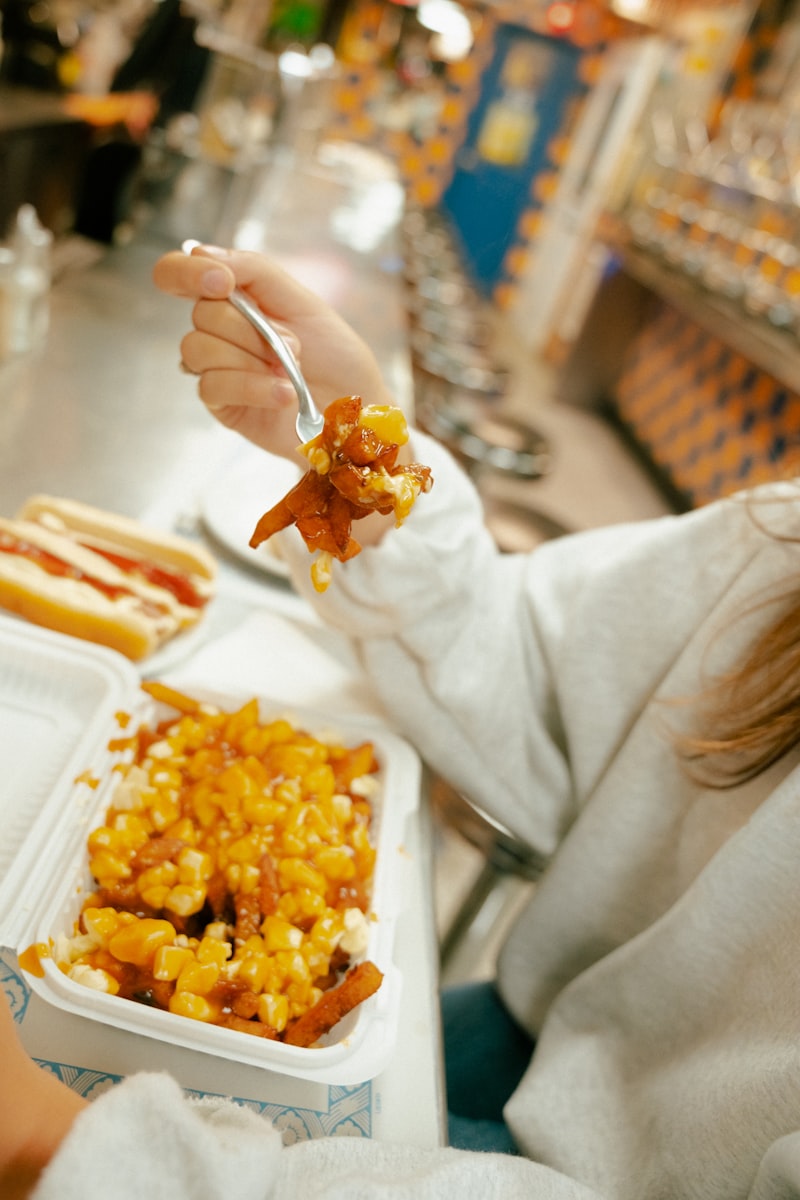
- Toronto poutine: Fries, cheese curds, and gravy — the national comfort food. Elevated versions at Smoke's Poutinerie and Poutini's ($8-12). For the original experience, visit a chip truck in Kensington Market.
- Toronto dim sum: Chinatown on Spadina has some of the best dim sum outside Hong Kong — Rol San and Mother's Dumplings are fan favorites ($15-25 per person).
- Vancouver sushi: Consistently rated among the best outside Japan — try Miku for aburi (flame-seared) sushi or Tojo's for the chef's omakase experience ($30-80).
- Peameal bacon sandwich: Toronto's St. Lawrence Market signature — thick-cut Canadian bacon on a kaiser roll with mustard. A must-try for $8.
- Kensington Market (Toronto): A bohemian neighborhood with Jamaican patties, Portuguese custard tarts, Mexican tacos, and Ethiopian injera — all within two blocks.
- Granville Island (Vancouver): Public market with fresh seafood, artisan cheese, craft beer, and stunning waterfront views.
World Cup Stadium Food: What to Expect and How to Save Money
Skip-the-line access to the best food markets, culinary museums, and stadium food experiences in each host city
Book food experiences on Tiqets ↗Affiliate link
Stadium food across all three countries is expensive but improving. US stadiums have moved beyond basic hot dogs — expect craft beer options, local restaurant pop-ups, and diverse food courts. However, prices remain steep: $12-18 for most items, $14-20 for beer. Mexican stadiums offer more affordable options with tacos and tortas for $5-8. Canadian venues fall somewhere in between.
Stadium Food Prices by Country
| Item | USA | Mexico | Canada |
|---|---|---|---|
| Hot dog / Taco | $8-12 | $3-5 | $7-10 |
| Beer | $14-20 | $4-7 | $12-16 |
| Premium meal | $15-22 | $6-10 | $14-18 |
| Water bottle | $5-7 | $2-3 | $4-6 |
The smartest strategy is to eat a full meal before entering the stadium and bring one sealed water bottle (allowed in most venues). This alone saves $30-50 per match day. If you do eat inside, share larger items — stadium portions are often big enough for two. Check our stadium bag policy guide to know exactly what you can bring in.
Eating on a Budget: World Cup 2026 Food Costs by Country
Your food budget varies dramatically depending on which country you are in. Here is a realistic daily food budget breakdown based on eating well — not just surviving. For a complete cost analysis, visit our World Cup 2026 Budget Guide.
| Budget Level | Mexico (daily) | USA (daily) | Canada (daily) |
|---|---|---|---|
| Budget | $15-20 | $30-40 | $25-35 |
| Mid-range | $25-40 | $50-70 | $40-55 |
| Comfort | $50-80 | $80-120 | $65-100 |
Use our Budget Hub to calculate your complete food costs based on which cities and how many days you are visiting.
Dietary Restrictions and Food Allergies at the World Cup
Traveling with dietary restrictions requires extra planning across three countries. Here is a country-by-country breakdown to help you eat safely and enjoyably.
Vegetarian and Vegan Food at the World Cup
Vegetarian and vegan options are excellent in all three countries. Mexico has incredible plant-based dishes like bean tacos, nopales (cactus), huitlacoche (corn truffle), and esquites that are naturally vegan. US cities offer wide vegan menus — LA, New York, and Miami have thriving plant-based restaurant scenes. Toronto is one of the most vegan-friendly cities in North America with dedicated vegan restaurants in every neighborhood.
Gluten-Free Eating at the World Cup
For gluten-free travelers, Mexican cuisine is naturally gluten-free (corn-based tortillas are the default), making Mexico the easiest country for celiac travelers. US and Canadian restaurants are increasingly allergen-aware — most chains and sit-down restaurants have gluten-free menus. Always communicate allergies clearly — in Mexico, say "Soy alergico/a a..." followed by the allergen.
Halal and Kosher Food at the World Cup
Halal food is readily available in major US cities (especially New York, Houston, and Dallas) and Toronto. Mexico City has limited but growing halal options. Kosher food is available in New York, Miami, Toronto, and LA — all have established Jewish communities with kosher restaurants and markets.
Food Safety Tips for World Cup Travelers
Eating street food in three different countries requires some common-sense precautions. Follow these rules and you will eat safely throughout the tournament. For more general travel safety advice, read our complete safety guide.
- Street food rule: Choose busy stalls with high turnover. If locals are lining up, the food is fresh and safe.
- Water in Mexico: Drink only bottled water (check the seal is intact). Avoid ice in street drinks. Most restaurants in tourist areas use purified water, but always ask.
- Wash hands frequently: Carry hand sanitizer for street food situations where soap is not available.
- Avoid pre-cut fruit: In Mexico, unless you can see it being freshly prepared. Whole fruits you peel yourself are fine.
- US and Canada tap water: Safe to drink everywhere. Bring a reusable bottle and refill at water fountains to save money.
Best Food Markets in World Cup Host Cities
Food markets are the best way to sample diverse cuisines in one location. Here are the top markets worth visiting during the World Cup:
- Mercado de San Juan (Mexico City): Gourmet market with exotic ingredients and prepared food stalls. A foodie pilgrimage.
- Grand Central Market (Los Angeles): Over 30 vendors under one roof — tacos, ramen, Thai, pupusas, all $8-15.
- Chelsea Market (New York): Upscale food hall in a former Nabisco factory — lobster rolls, tacos, artisan chocolate.
- St. Lawrence Market (Toronto): Operating since 1803, voted the world's best food market by National Geographic. Peameal bacon sandwiches are the must-try.
- Reading Terminal Market (Philadelphia): Historic market with Amish specialties, cheesesteaks, and diverse food stalls.
- Pike Place Market (Seattle): The iconic market with fresh seafood, flower stalls, and the original Starbucks.
Conclusion: Plan Your World Cup Food Adventure
The 2026 World Cup is as much a food festival as a football tournament. With three countries, 16 cities, and countless culinary traditions, the eating experiences alone justify the trip. Budget $20-30/day in Mexico, $40-60 in the US, and $35-50 in Canada for great meals. Eat where locals eat, avoid tourist traps near stadiums, and use our City Comparison tool to plan your food budget by destination. Whether you are chasing the perfect taco in Mexico City or the ultimate brisket in Dallas, this World Cup will feed your soul as much as your stomach.
Plan Your World Cup Trip
Generate your free personalised World Cup 2026 travel plan at worldcupguide.ai — our AI covers flights, hotels, match tickets, and complete itineraries across all 16 host cities.
Related Guides
- World Cup 2026 Budget Guide
- Mexico City World Cup Guide
- Dallas and Houston World Cup Guide
- Cheapest World Cup Cities Ranked
- Los Angeles World Cup Guide
- Canada Travel Guide for World Cup 2026
Frequently Asked Questions About World Cup 2026 Food
Mexico City offers the best value and most vibrant street food culture of any host city. You can eat world-class meals for $5-10 that would cost $30+ in the US. Houston has the most ethnically diverse food scene in the US with excellent Nigerian, Vietnamese, Chinese, and Tex-Mex options. Toronto excels in multicultural cuisine with particularly strong dim sum, Caribbean, and Middle Eastern food scenes.
Budget $15-20 per day in Mexico for excellent meals at street stalls and fondas. In the US, plan for $30-50 per day eating at local restaurants and food trucks. In Canada, budget $25-40 per day. These estimates cover three good meals and snacks but exclude stadium food and alcohol, which add significantly. For a detailed cost breakdown, use our Budget Hub calculator.
Yes, when you follow basic rules. Choose busy stalls with high turnover — if locals are lining up, the food is fresh and safe. Watch your food being prepared, drink only bottled water, and avoid ice in street drinks. Millions of tourists eat Mexican street food daily without issues. The key is choosing stalls where you can see the cooking process and the ingredients look fresh.
Eat a full meal before entering to save money — stadium food is overpriced everywhere. If buying inside, look for local specialty items rather than generic hot dogs. US stadiums increasingly feature local restaurant collaborations and craft beer. Mexican stadiums offer tacos and tortas at much lower prices ($3-5 vs $12-18 in the US). Share larger portions to get more variety for less money.
Absolutely. Mexico has excellent vegetarian street food including bean tacos, nopales, esquites, and countless plant-based options that are naturally vegan. US and Canadian cities offer wide vegan and vegetarian menus at most restaurants — LA, New York, Toronto, and Vancouver are among the most vegan-friendly cities in North America. Download the HappyCow app to find plant-based restaurants near you in any host city.
Mexico: tacos al pastor in Mexico City, birria in Guadalajara, cabrito in Monterrey. Texas: BBQ brisket in Dallas and Houston. New York: pizza slices and halal cart food. Miami: Cuban sandwiches and stone crabs. Toronto: poutine and peameal bacon sandwiches. LA: East LA taco trucks and Korean BBQ. Seattle: seafood chowder at Pike Place Market. Each city has a distinct culinary identity worth exploring.
Policies vary by venue but generally outside food is not allowed. One sealed water bottle per person is typically permitted at most stadiums. Check our stadium bag policy guide for venue-specific rules. Some stadiums allow small snacks in clear bags — verify before you go to avoid having items confiscated at the gate.
In Dallas, Pecan Lodge and Cattleack Barbeque are the top choices — arrive early as both sell out. Cattleack is only open Thursday and Saturday. In the Houston area, Killen's BBQ in Pearland and Truth BBQ are exceptional. The general rule for Texas BBQ: the earlier you arrive, the better cuts you get. Most elite BBQ joints sell out by 1-2 PM.
Avoid tap water and ice in street drinks. Be cautious with pre-cut fruit from street vendors unless you see it freshly prepared. Avoid very quiet or empty food stalls — high turnover means fresh ingredients. Skip salads at small street stalls where you cannot verify the water source. Stick to cooked food, bottled water, and fruits you peel yourself, and you will be fine.
Mexico is the easiest country for gluten-free eating because traditional Mexican cuisine uses corn-based tortillas rather than wheat. In the US and Canada, most restaurants have gluten-free menus and staff trained in allergen awareness. Carry a gluten-free dining card in English and Spanish that explains your needs. Apps like Find Me Gluten Free help locate safe restaurants in any host city.
The top food markets across host cities include Mercado de San Juan in Mexico City (gourmet ingredients and prepared food), Grand Central Market in LA (30+ diverse vendors), St. Lawrence Market in Toronto (voted world's best by National Geographic), Chelsea Market in New York (upscale food hall), and Pike Place Market in Seattle (fresh seafood and the original Starbucks). Markets are the best way to sample multiple cuisines affordably.
Yes, but amounts vary. In the US, tip 18-20% at sit-down restaurants — this is expected, not optional, as servers depend on tips. In Canada, 15-18% is standard. In Mexico, 10-15% is customary at restaurants. At street food stalls and food trucks, tipping is appreciated but not expected in any country. Read our budget guide for a complete breakdown of tipping customs across all three countries.