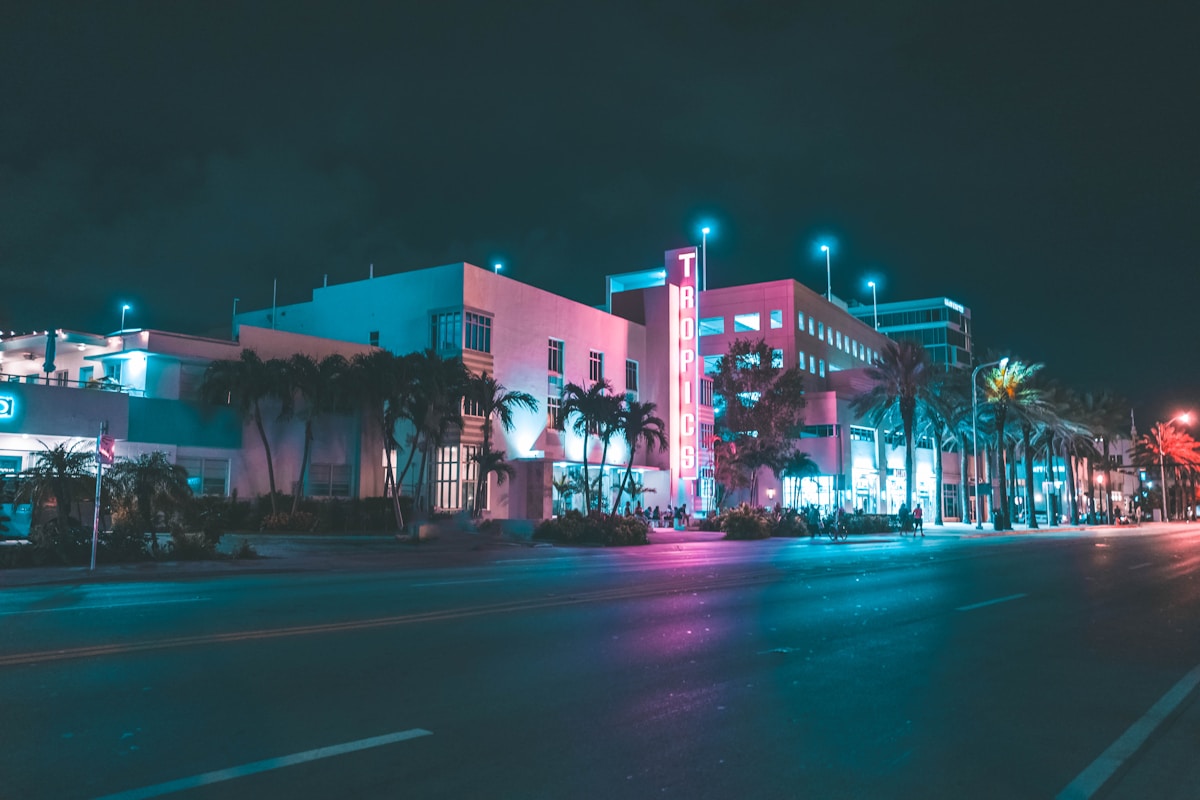
Miami brings an energy to the 2026 World Cup that no other host city can match. With its vibrant Latin American culture, world-famous beaches, year-round sunshine, and a football-obsessed population, Hard Rock Stadium in Miami Gardens will be one of the most electrifying venues of the entire tournament. Whether you are a die-hard supporter traveling for matches or combining World Cup football with a beach vacation, this comprehensive Miami World Cup 2026 guide covers everything you need to know — from surviving the heat to finding the best Cuban food in Little Havana.
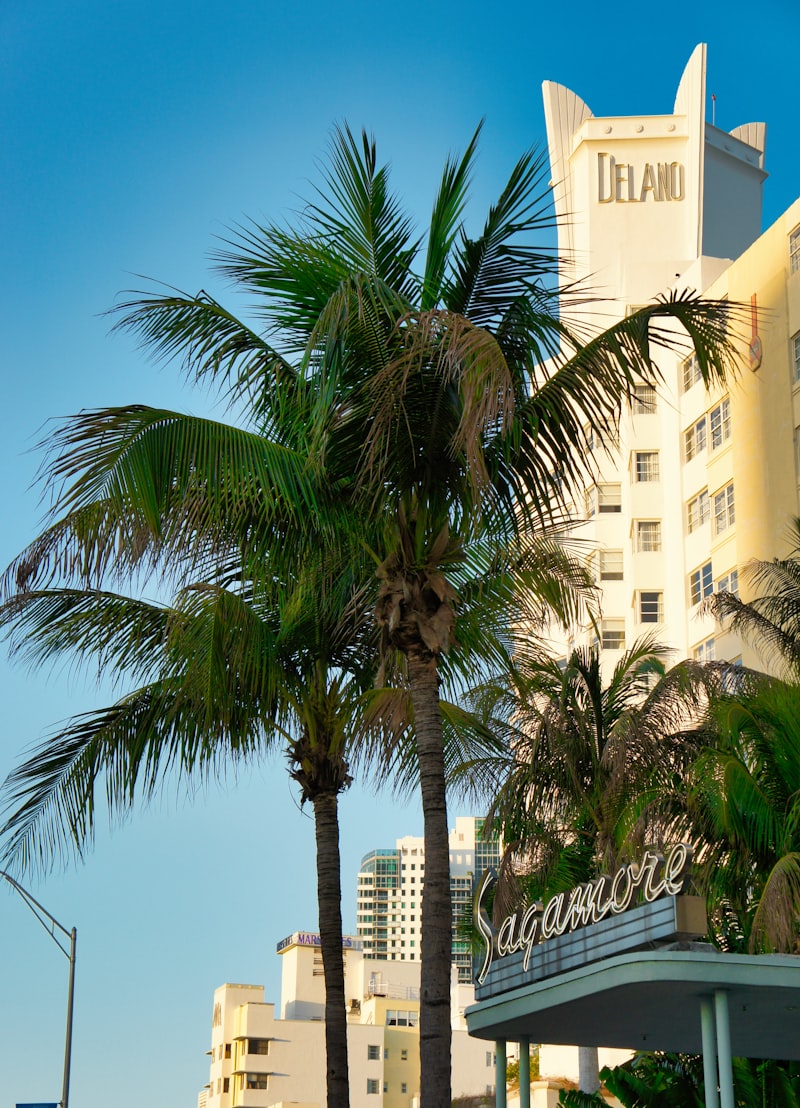
Miami Weather During the World Cup: Beating the Heat
Miami in June and July is hot, humid, and stormy. This is the single most important factor to plan for when attending World Cup matches at Hard Rock Stadium. Underestimating Miami's summer heat is the biggest mistake visitors make. Check our Weather Heat Map to compare conditions across all 16 host cities.
| Weather Factor | What to Expect in Miami |
|---|---|
| Temperature | 32-35°C (90-95°F) daily highs |
| Humidity | 70-85% — feels like 40°C+ (104°F+) |
| Rain | Afternoon thunderstorms almost daily (usually 30-60 minutes) |
| UV Index | Extreme (10-11) — sunburn in 15 minutes without protection |
| Sunset | Around 8:15 PM — evening matches are more comfortable |
How to Stay Cool at Hard Rock Stadium
- Bring a sealed water bottle — refill at concession stands rather than buying $6 bottles repeatedly
- Wear light, breathable clothing — cotton jerseys trap heat, opt for moisture-wicking fabrics
- Arrive early for shaded seats — the partial canopy covers most upper-level seating
- Use a portable fan or cooling towel — small personal fans are allowed through security
- Schedule outdoor activities for morning or evening — avoid being outside between 11 AM and 3 PM
Hard Rock Stadium: Miami's World Cup Venue
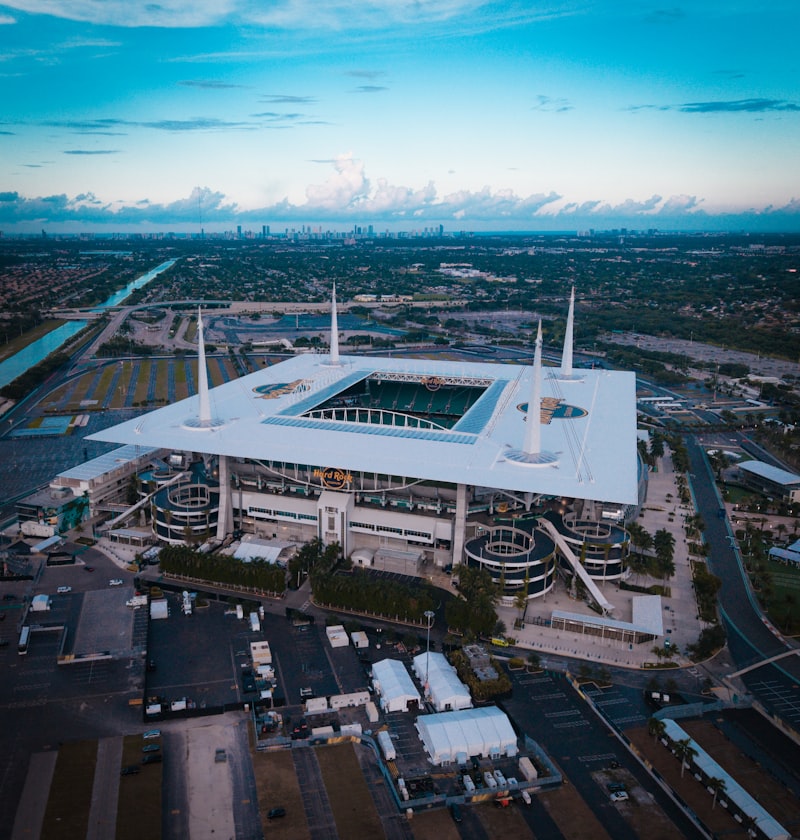
Hard Rock Stadium seats 65,000 fans and features a stunning partial canopy roof that was added during a $550 million renovation completed in 2016. The canopy provides shade for most upper-level seats while keeping the stadium open-air. Home to the NFL's Miami Dolphins, the venue also hosts the Miami Open tennis tournament, Formula 1 Grand Prix, and major concerts — so it is well-equipped for massive international events like the World Cup.
Planning your World Cup 2026 trip?
Our AI builds your complete itinerary — flights, hotels, visa, budget — delivered in 20–30 minutes. Free.
Generate Your Free Plan →Getting to Hard Rock Stadium on Match Day
- Special event shuttle buses will run from downtown Miami and Miami Beach on match days — the most convenient option for visitors without cars
- Uber/Lyft: Designated pickup and drop-off at NW 27th Avenue — expect $25-40 from South Beach with surge pricing on match days, rising to $50-70 immediately after matches
- Driving: Parking costs $40-60 at the stadium lots. Arrive 2+ hours early via I-95 or Florida Turnpike. Post-match exit takes 45-90 minutes
- No direct rail link: The Metrorail does not reach Miami Gardens directly, which is the biggest transportation challenge for this venue
- Fan carpools: Organized fan groups will offer shared rides — check supporter forums and our Fan Zones page for details
Use our Seat Finder tool to compare views from different sections of Hard Rock Stadium and find the best seats for your budget.
Where to Stay in Miami for the World Cup: Neighborhood Guide
Choosing the right neighborhood in Miami makes a huge difference to your World Cup experience and budget. Miami is a sprawling city, so proximity to both Hard Rock Stadium and entertainment areas matters. Here are the best areas ranked by overall value for World Cup visitors:
Neighborhoods Ranked by Value
- Wynwood/Edgewater ($120-200/night): The best value for World Cup visitors. Trendy restaurants, world-famous street art at Wynwood Walls, vibrant nightlife, and 20 minutes to the stadium by car. This neighborhood has exploded in popularity and offers the perfect mix of cool factor and affordability
- Downtown/Brickell ($150-250/night): Central location in the financial district with excellent restaurants, rooftop bars, and easy access to the free Metromover transit system. Walking distance to Bayside Marketplace and Bayfront Park where fan zones will likely be located
- Coral Gables ($100-180/night): A quieter, tree-lined neighborhood with Mediterranean architecture. Family-friendly with good restaurants on Miracle Mile. Slightly further from the action but peaceful for recovery between matches
- South Beach ($250-500+/night): The iconic party zone of Miami. Worth the premium if nightlife is a priority — Ocean Drive, Lincoln Road, and world-famous clubs are all here. Expect the highest prices but also the most intense World Cup atmosphere outside the stadium
- Fort Lauderdale ($80-150/night): The smart budget option. Just 30 minutes from Miami via the Brightline train ($10-15), with its own beautiful beaches, lower hotel rates, and a more relaxed vibe. Perfect for travelers who want to save money without sacrificing beach access
Book accommodation at least 6 months before the tournament for the best rates. Miami hotel prices during major events can double or triple compared to normal rates. For more budget strategies, check our World Cup Budget Guide.
Must-Try Food and Experiences in Miami
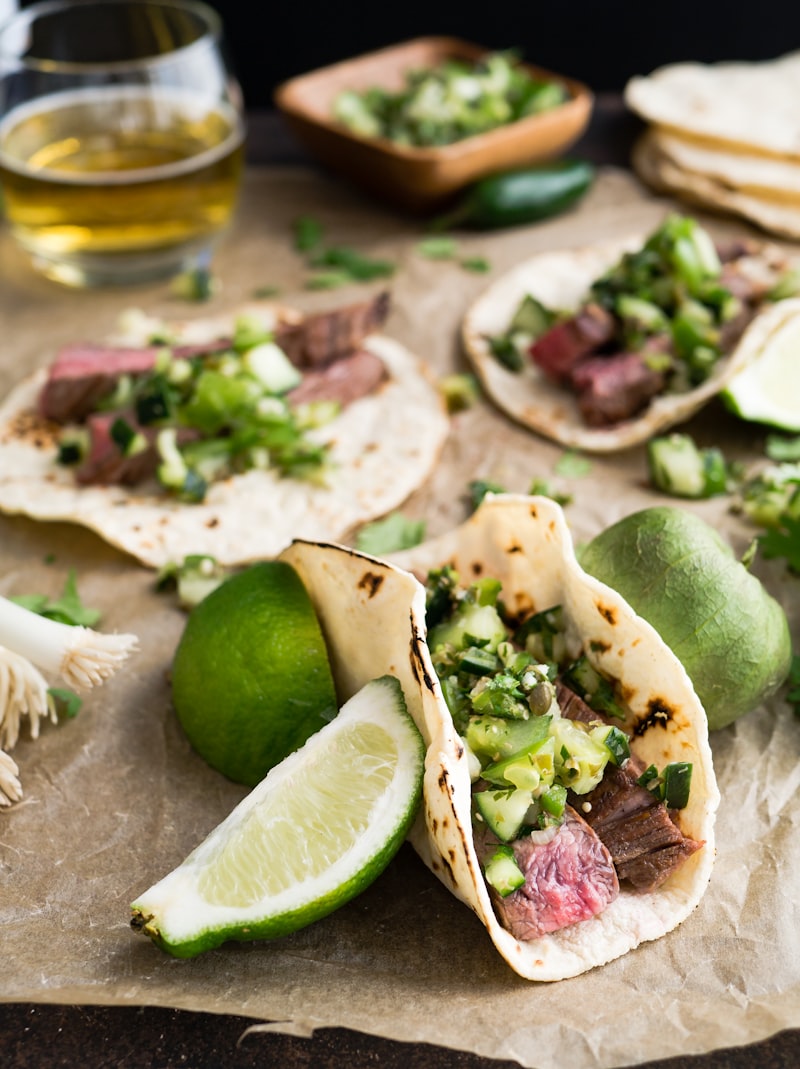
Miami's food scene is one of the city's greatest attractions, heavily influenced by Cuban, Colombian, Haitian, and broader Latin American cuisines. For World Cup visitors, eating in Miami is an experience that rivals the football itself. Read our Best Food Experiences guide for a deeper dive into all host cities.
Essential Miami Food Experiences
- Little Havana (Calle Ocho): The heart of Cuban Miami. Walk along 8th Street for Cuban coffee ($1-2), empanadas ($3-4), authentic Cuban sandwiches ($8-10), and the famous Versailles restaurant. Budget $10-15 for a feast that will fill you for hours
- Wynwood food scene: The art district has become a culinary destination with trendy restaurants, fusion tacos, craft cocktails, and food halls. Slightly more expensive than Little Havana but worth exploring for the atmosphere — eat surrounded by world-class street art
- Joe's Stone Crab (South Beach): An iconic institution since 1913. Stone crab claws in season (October-May — before and after the World Cup), key lime pie year-round. Expect a long wait without reservations
- Ventanitas: Walk-up windows at Cuban cafes serving excellent cheap food — a uniquely Miami tradition. Order a colada (strong Cuban espresso to share) and a croqueta preparada for under $5
- Brickell food halls: Multiple food halls in the Brickell area offer diverse cuisines at reasonable prices — perfect for groups where everyone wants something different
Miami Nightlife During the World Cup
Miami's nightlife is legendary and will reach another level during the World Cup. Brickell and South Beach are the main party zones, with clubs and bars open until 5 AM. For football-specific atmosphere, expect pop-up fan zones along Ocean Drive and in Wynwood with match screenings, DJs, and international food vendors.
Latin American fans will dominate the atmosphere in Miami — with large Colombian, Argentine, Brazilian, and Mexican communities already established in the city. Expect salsa music, percussion, and dancing in the streets after matches regardless of results. Bayside Marketplace and Bayfront Park will likely host major fan gatherings throughout the tournament.
Non-Match Day Activities in Miami
Miami offers world-class entertainment beyond football. Here are the best ways to spend your rest days between World Cup matches:
Beaches and Outdoor Activities
- South Beach (5th to 15th Street): The iconic stretch with turquoise water, white sand, art deco buildings, and endless people-watching. Free to access, with lifeguard stations and public facilities
- Key Biscayne: Beautiful beaches away from the South Beach crowds, accessible by car or bus. Crandon Park Beach is consistently rated among America's best
- Everglades day trip: Airboat tours to see alligators in their natural habitat, just 45 minutes from Miami ($40-60 per person). A uniquely Floridian experience you cannot get anywhere else
- Biscayne Bay boat tour: See the Miami skyline, celebrity homes on Star Island, and stunning waterways from the water ($25-40)
- Oleta River State Park: Mountain biking, kayaking, and nature trails in North Miami — a surprising wilderness escape minutes from the city
Culture and Arts
- Wynwood Walls: World-famous outdoor street art gallery with rotating murals from international artists — free to view from the street, gallery admission $12
- Perez Art Museum Miami (PAMM): Stunning waterfront contemporary art museum designed by Pritzker Prize-winning architects ($16 adult)
- Vizcaya Museum and Gardens: A breathtaking Italian Renaissance-style villa on Biscayne Bay with spectacular gardens ($25)
- Little Haiti: Vibrant neighborhood with Haitian art galleries, Caribbean restaurants, and a growing cultural scene

Getting Around Miami During the World Cup
Miami's public transit is limited compared to cities like New York or Toronto, but there are still practical ways to get around without a car:
Public Transit Options
- Metromover (FREE): An elevated automated train covering downtown Miami, Brickell, and the Omni area. Perfect for short hops between hotels, restaurants, and fan zones in the downtown core
- Metrorail: Miami's rapid transit system runs north-south but unfortunately does not directly reach Hard Rock Stadium in Miami Gardens. Useful for getting between Brickell, downtown, and Coconut Grove
- Brightline: The high-speed train connects Miami to Fort Lauderdale in 30 minutes for $10-15 — essential if you are staying in Fort Lauderdale to save money. Also connects to West Palm Beach
Rideshare and Car Rental
For most trips around Miami, Uber and Lyft are the most practical option. Budget $10-20 for trips within the city, with surge pricing of $25-50 on match days for stadium trips. Renting a car gives more flexibility for day trips to the Everglades, Keys, or Fort Lauderdale, but parking in South Beach costs $30-50 per day and Miami Beach traffic is notoriously congested.
Miami World Cup Safety Tips
Miami's tourist areas are generally safe, but taking basic precautions ensures a worry-free World Cup experience. For comprehensive advice, read our Safety Tips for World Cup 2026 guide.
- Stay in well-known areas: South Beach, Wynwood, Brickell, Downtown, and Coral Gables are all safe for tourists day and night
- Use Uber instead of walking alone late: While main streets are safe, some side streets in less touristy areas should be avoided after midnight
- Sun protection is safety: Sunburn and heat exhaustion are the most common health issues for visitors — treat sun protection as seriously as personal safety
- Watch for ticket scams: Only buy World Cup tickets through official FIFA channels. Miami will be a hotspot for counterfeit ticket sellers. Check our Scam Warning Guide
- Protect valuables at the beach: Never leave phones, wallets, or bags unattended on South Beach — use a waterproof pouch or take turns watching belongings
Planning Your Miami World Cup Itinerary
Here is a suggested 5-day itinerary that balances World Cup matches with the best of Miami. Adjust based on your match schedule and interests:
- Day 1 (Arrival): Check in, explore your neighborhood, sunset drinks at a South Beach rooftop bar
- Day 2 (Match Day): Morning beach time, light lunch, travel to Hard Rock Stadium 3 hours before kickoff, post-match celebrations in Brickell
- Day 3 (Recovery): Brunch in Wynwood, explore Wynwood Walls street art, afternoon at Perez Art Museum, dinner in Little Havana
- Day 4 (Adventure): Morning Everglades airboat tour, afternoon at Key Biscayne beach, evening exploring Coconut Grove
- Day 5 (Match Day or Departure): Morning at South Beach, FIFA Fan Fest or second match, farewell dinner at an iconic Miami restaurant
For a fully personalized itinerary covering flights, hotels, matches, and activities, use our AI Trip Plan Generator. If you are traveling with family, our Family Guide has Miami-specific tips for kids.
Conclusion: Why Miami Is a Must-Visit World Cup 2026 City
Miami will be one of the most exciting World Cup host cities — the Latin energy, the world-class beaches, the legendary nightlife, and the passionate football culture combine for an experience that goes far beyond 90 minutes on the pitch. Respect the heat, stay hydrated, book accommodation early, and plan to stay up late. This is a city that matches the World Cup's energy in every way, and the memories you make here will last a lifetime.
Plan Your World Cup Trip
Generate your free personalised World Cup 2026 travel plan at worldcupguide.ai — our AI covers flights, hotels, match tickets, and complete itineraries across all 16 host cities.
Related Guides
- Safety Tips for World Cup 2026: Stay Safe, Have Fun
- Best Food Experiences Across World Cup 2026 Host Cities
- Traveling with Kids to the 2026 World Cup: Family Guide
- World Cup 2026 on a Budget
Frequently Asked Questions About Miami and the 2026 World Cup
Miami will host group stage matches from mid-June through early July 2026 at Hard Rock Stadium in Miami Gardens. Specific dates and team matchups will be confirmed after the FIFA draw. Miami is expected to host 5-6 group stage matches. Check our Ticket Alerts to get notified when Miami match tickets become available.
Extremely hot. Expect daily highs of 32-35°C (90-95°F) with humidity of 70-85%, creating a heat index that regularly exceeds 40°C (104°F). Afternoon thunderstorms are almost daily occurrences, typically lasting 30-60 minutes. The UV index is extreme at 10-11, meaning unprotected skin can burn in as little as 15 minutes. Miami is the hottest World Cup host city — hydration and sun protection are essential, not optional.
There is no direct rail link to Hard Rock Stadium, which is located in Miami Gardens about 20 miles north of South Beach. Your best options are: special event shuttle buses that FIFA will operate from downtown Miami and Miami Beach on match days (the most convenient option), Uber/Lyft ($25-40 with surge pricing, 30-45 minutes in traffic), or driving with parking at $40-60. Plan to leave South Beach at least 2 hours before kickoff to account for traffic and stadium security.
Wynwood and Downtown Brickell offer the best value at $120-250 per night with excellent food, nightlife, and proximity to fan zones. South Beach is premium at $250-500+ per night but delivers the ultimate Miami experience. For budget travelers, Fort Lauderdale at $80-150 per night is connected by the 30-minute Brightline train. Coral Gables at $100-180 per night is ideal for families seeking a quieter base. Book at least 6 months ahead — prices spike dramatically for World Cup dates.
Tourist areas like South Beach, Wynwood, Brickell, Downtown, and Coral Gables are generally safe day and night. Use common sense: avoid isolated areas after midnight, use Uber/Lyft rather than walking alone late at night, keep valuables secure at the beach, and be aware of your surroundings in crowded areas. The biggest safety concern for most visitors is actually the heat — heat exhaustion sends more tourists to Miami hospitals than crime does. Stay hydrated and use sunscreen.
Cuban food in Little Havana on Calle Ocho is an absolute must — try Cuban sandwiches, empanadas, croquetas, and cafecito (strong Cuban espresso). Wynwood has excellent trendy restaurants with Latin-Asian fusion and craft cocktails. For seafood, Joe's Stone Crab on South Beach is iconic. The ventanitas (walk-up cafe windows) across the city serve amazing cheap food. With large Colombian, Haitian, Brazilian, and Peruvian communities, Miami's food diversity rivals any city in the Americas.
Not necessarily, but it helps. Uber and Lyft cover most needs, the free Metromover handles downtown and Brickell, and the Brightline train connects Miami to Fort Lauderdale in 30 minutes. However, Miami is a sprawling city and attractions like the Everglades, Key Biscayne, and some beaches are much easier to reach by car. If you rent a car, be aware that South Beach parking costs $30-50 per day and traffic is heavy during events.
Miami offers endless entertainment. Hit South Beach for swimming, sunbathing, and people-watching. Take an airboat tour through the Everglades to see alligators ($40-60). Explore the world-famous Wynwood Walls street art for free. Visit the Perez Art Museum Miami on the waterfront ($16). Take a Biscayne Bay boat tour past celebrity homes ($25-40). Day trip to Key Biscayne for quieter beaches. Experience the nightlife in South Beach and Brickell, which runs until 5 AM. Use our City Comparison tool to see how Miami stacks up against other host cities.
Miami International Airport (MIA) is well connected. The Metrorail Orange Line runs directly from the airport to downtown Miami for $2.25. Uber and Lyft cost $15-25 to South Beach or $10-15 to Brickell/Downtown. Taxi flat rate to Miami Beach is approximately $35. The Brightline station is accessible via a short Metrorail connection, useful if you are heading to Fort Lauderdale. Avoid renting a car if you plan to stay primarily in the South Beach/Downtown/Brickell area.
Official FIFA Fan Fest locations will be confirmed closer to the tournament, but based on previous major events, expect major installations at Bayfront Park or Bayside Marketplace in downtown Miami, with additional viewing areas along Ocean Drive on South Beach and in Wynwood. These free zones feature giant screens, live music, food vendors, and interactive experiences. Miami's existing outdoor event infrastructure and year-round warm weather make it ideal for large-scale fan gatherings. Follow our Fan Zones Guide for updates.
Both are excellent choices. Miami offers superior nightlife, cultural experiences, and World Cup atmosphere. Fort Lauderdale is more affordable, more relaxed, and has beautiful beaches without the South Beach crowds. The Brightline train makes it easy to base yourself in Fort Lauderdale ($80-150/night) and commute to Miami for matches and nightlife (30 minutes, $10-15 each way). Many budget-savvy World Cup travelers will use this strategy to save $100+ per night on accommodation.
Sun protection is your top priority: SPF 50+ sunscreen, a wide-brimmed hat, and UV-blocking sunglasses are essential. Pack light, breathable clothing — moisture-wicking fabrics over cotton. Bring a compact rain poncho for afternoon thunderstorms. A reusable water bottle saves money and keeps you hydrated. Do not forget a portable phone charger, a clear stadium bag that meets FIFA requirements, and comfortable walking shoes. See our complete World Cup Packing List for the full breakdown.