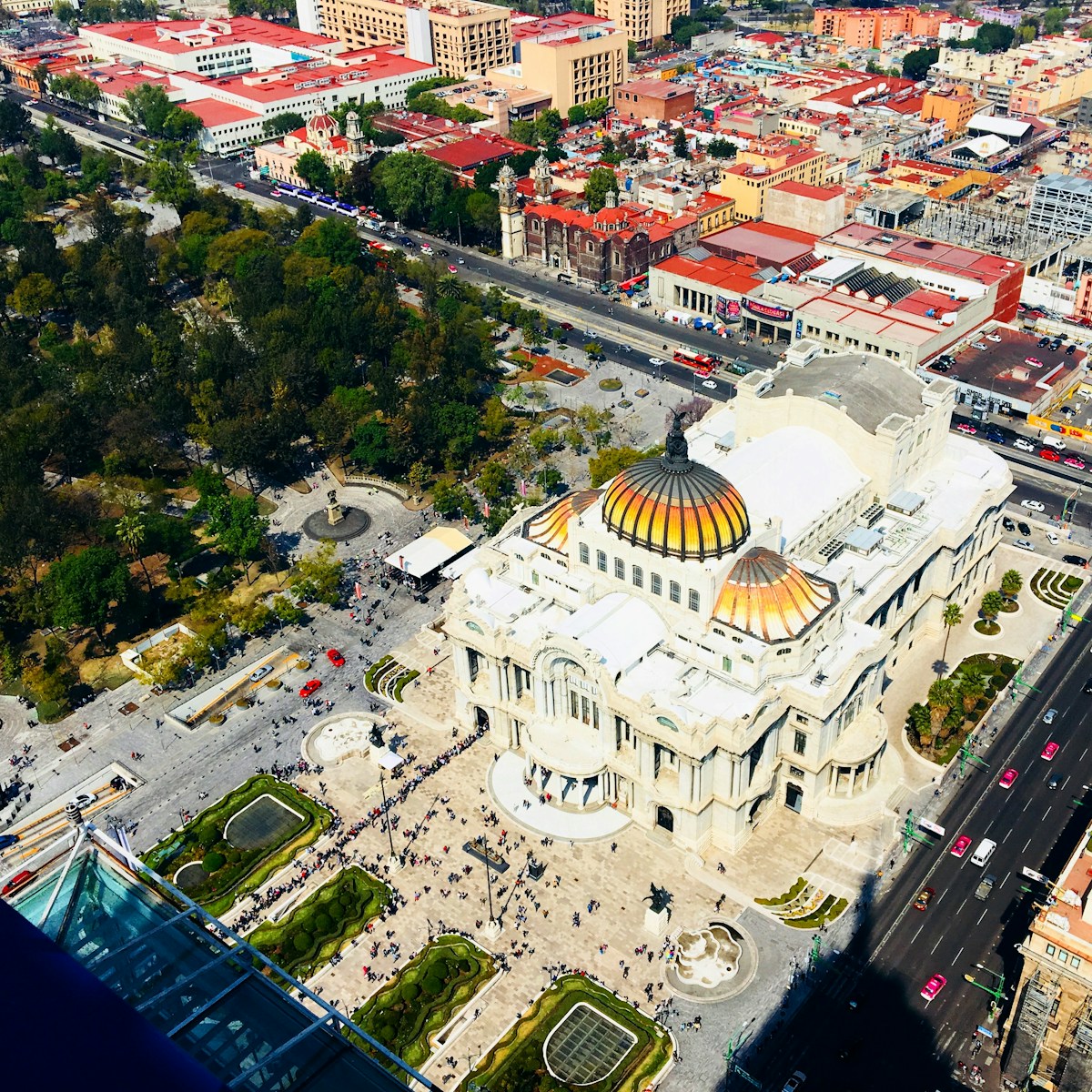
Mexico City holds a sacred place in World Cup history that no other host city can claim. Estadio Azteca is the only stadium on earth to have hosted two World Cup Finals — the legendary 1970 tournament won by Pele's Brazil and the iconic 1986 tournament where Maradona scored both the "Hand of God" and the "Goal of the Century." In 2026, this hallowed ground makes history again as part of the first-ever tri-nation World Cup. The passionate Mexican football culture — the thunderous "ole" chants, the deafening whistles, the waves of green jerseys — makes every match at Estadio Azteca an unforgettable spectacle. This comprehensive Mexico City World Cup 2026 guide covers everything from altitude acclimatization to street food, safety tips, and the best neighborhoods to stay in.
Mexico City Altitude: Your First Challenge as a World Cup Visitor
At 2,240 meters (7,350 feet) above sea level, Mexico City's elevation is the single most unique challenge for World Cup visitors. The altitude affects both players on the pitch and fans in the stands — you will feel it from the moment you step off the plane. Here is how to manage altitude sickness and acclimatize quickly:
- Arrive 1-2 days before your first match to give your body time to acclimatize. The first 24-48 hours are when altitude effects are strongest
- Drink 3-4 liters of water daily — dehydration happens significantly faster at altitude than at sea level, and you may not feel thirsty even when dehydrated
- Avoid alcohol on day one — its effects are amplified at elevation. One beer at altitude can feel like two or three at sea level
- Eat light meals for the first 24 hours — heavy food combined with altitude equals digestive discomfort that ruins your first day
- Take it easy physically — if you feel headaches, fatigue, or shortness of breath while walking uphill, rest and hydrate. These symptoms are normal and typically pass within 24-48 hours
- Consider altitude medication — acetazolamide (Diamox) can help prevent altitude sickness if prescribed by your doctor before travel
Estadio Azteca: The World's Most Legendary Football Stadium
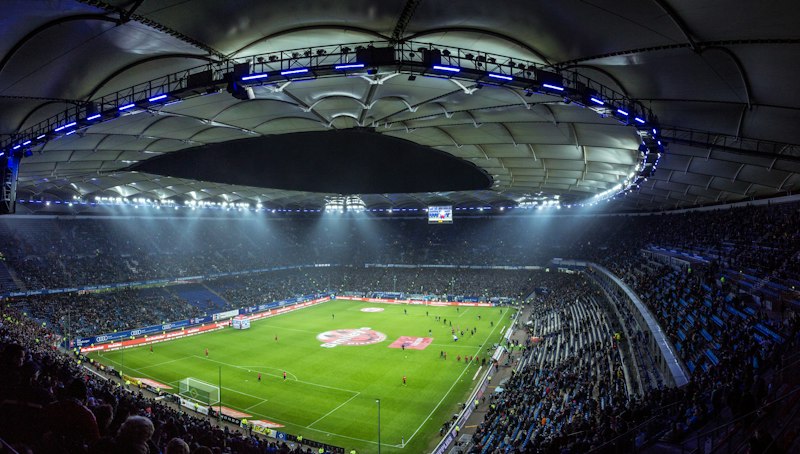
The legendary Estadio Azteca seats approximately 87,000 fans and is located in the Coyoacan borough in the south of the city. It is the stadium where Maradona produced two of football's most famous moments in a single match — the controversial "Hand of God" goal and the breathtaking solo run known as the "Goal of the Century" — during the 1986 quarterfinal against England. For football purists, simply stepping inside Azteca is a pilgrimage.
Planning your World Cup 2026 trip?
Our AI builds your complete itinerary — flights, hotels, visa, budget — delivered in 20–30 minutes. Free.
Generate Your Free Plan →The stadium has undergone significant renovations to meet FIFA 2026 standards, including improved seating, upgraded concession areas, enhanced broadcast facilities, and modernized security infrastructure. Despite its age — it opened in 1966 — Estadio Azteca remains one of the most atmospheric football venues in the world. The steep bowl design creates incredible acoustics where the noise of 87,000 Mexican fans becomes physically overwhelming.
Getting to Estadio Azteca on Match Day
- Metro Line 2 to Tasquena station, then a short taxi or bus ride to the stadium — the cheapest option at just $1-3 total. The Metro is efficient and air-conditioned
- Uber: $8-15 from city center, but expect extremely heavy traffic on match days — allow 90+ minutes for a journey that normally takes 30. Surge pricing may apply
- Official FIFA shuttle buses will likely run from central locations including Zocalo and Reforma — check FIFA announcements closer to the tournament for confirmed routes
- Walking from Coyoacan: If you stay in the Coyoacan neighborhood, the stadium is within a 30-40 minute walk through pleasant residential streets
For match ticket strategies and pricing, read our Complete Ticket Guide. Mexico City group stage tickets are expected to be among the most affordable of the tournament.
Where to Stay in Mexico City: Best Neighborhoods for World Cup Visitors
Mexico City is one of the most affordable World Cup host cities, offering world-class accommodation at a fraction of what you would pay in New York, Miami, or Los Angeles. The city is enormous — the metropolitan area has over 21 million people — so choosing the right neighborhood is essential. Here are the best areas for World Cup visitors:
| Neighborhood | Vibe | Price/Night | Best For |
|---|---|---|---|
| Roma Norte | Trendy cafes, hip bars, art galleries | $60-120 | Young travelers, foodies |
| Condesa | Leafy streets, upscale dining | $80-150 | Couples, design lovers |
| Coyoacan | Bohemian, cultural, historic | $50-100 | Close to Estadio Azteca |
| Centro Historico | Historic landmarks, bustling markets | $40-90 | Budget travelers, history buffs |
| Polanco | Luxury shopping, museums, fine dining | $120-250 | Comfort seekers, families |
| Juarez | Up-and-coming, nightlife | $50-110 | Nightlife seekers, budget-conscious |
For those on a tight budget, Mexico City is a dream destination. Even in the trendiest neighborhoods, you can find excellent hotels, Airbnbs, and hostels for under $80 per night. Compare costs with other host cities using our City Comparison tool, and check the World Cup Budget Guide for more money-saving strategies.
Mexico City Food: The Ultimate World Cup Culinary Experience
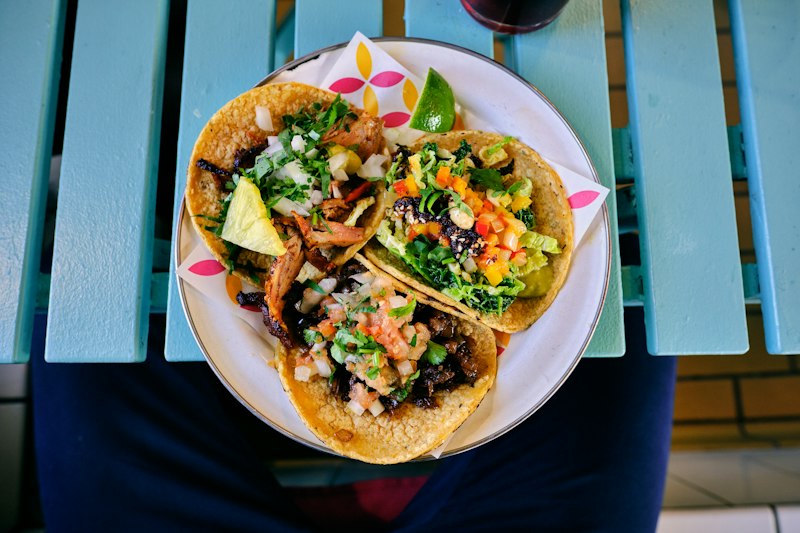
Mexican food is a UNESCO-recognized cultural treasure, and Mexico City is its undisputed capital. For World Cup visitors, eating in Mexico City is not just a necessity — it is one of the absolute highlights of the entire trip. Budget $15-20 per day and eat better than you would for $100 in most US cities. For the full food deep-dive, see our Best Food Experiences guide.
Essential Mexico City Foods Every World Cup Visitor Must Try
- Tacos al pastor: Spit-roasted pork with pineapple on fresh corn tortillas — $1-2 each from street vendors. The most iconic Mexico City street food. Look for the vertical rotisserie (trompo) at any busy street corner
- Chilaquiles: The perfect Mexican breakfast — fried tortilla chips in red or green salsa, topped with cream, cheese, onion, and beans. Available at every restaurant and market for $3-5
- Mole: A complex sauce made with 20+ ingredients including chocolate, multiple chili varieties, and spices. Try mole negro from Oaxacan restaurants in Roma Norte or Coyoacan
- Tlacoyos: Thick corn tortillas stuffed with beans or cheese, topped with salsa and nopales (cactus). A pre-Hispanic dish still sold at markets for $1-2
- Tamales: Steamed corn dough filled with meat, cheese, or vegetables, wrapped in corn husks. Buy from morning street vendors for $1-2 each
- Mezcal and pulque: Traditional Mexican spirits — mezcalerias in Roma Norte are excellent for tasting flights. Pulquerias serve the ancient fermented agave drink that has been consumed for over 1,000 years
- Elote and esquites: Grilled corn on the cob (elote) or corn in a cup (esquites) with mayonnaise, cheese, chili, and lime — the ultimate stadium snack for $1-2
Must-See Mexico City Attractions Between World Cup Matches
Mexico City is one of the world's great cultural capitals, with more museums than any other city in the Americas. Between World Cup matches, these attractions deserve your time:
- Teotihuacan Pyramids: Ancient ruins 1 hour from the city featuring the Pyramid of the Sun (third-largest pyramid on earth) and the Pyramid of the Moon. Arrive at opening (9 AM) to beat crowds and heat. Budget $15-20 for entrance, transport, and a guide. This is a bucket-list destination that predates the Aztec Empire by centuries
- National Museum of Anthropology: One of the world's best museums, housing the Aztec Sun Stone and extraordinary collections spanning 3,000+ years of Mesoamerican civilization. Allow 3-4 hours minimum. Entrance $5
- Frida Kahlo Museum (Casa Azul): The famous blue house where Frida Kahlo lived and worked. Book tickets online weeks in advance — it sells out every day. Located in Coyoacan, walkable from Estadio Azteca area. Entrance $14
- Xochimilco Floating Gardens: Colorful trajinera boats gliding through ancient canals with food vendors, mariachi bands, and flower sellers pulling alongside. A uniquely Mexican experience — budget $15-25 per person for a 2-hour tour
- Chapultepec Park and Castle: A massive urban green space with a zoo (free), botanical gardens, and the stunning Chapultepec Castle — the only real castle in the Americas, now a museum with panoramic city views. Entrance $5
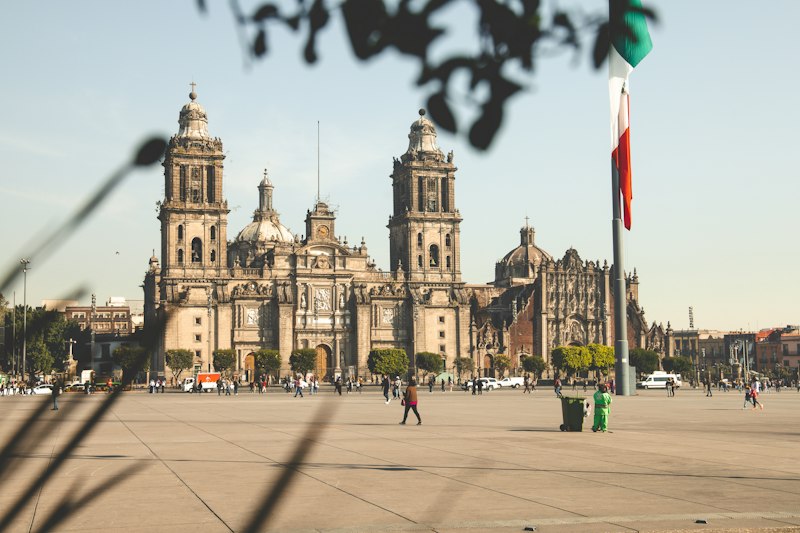
- Zocalo (Main Square): One of the largest public squares in the world, surrounded by the National Palace (with Diego Rivera murals — free), the Metropolitan Cathedral, and the ruins of the Aztec Templo Mayor
Getting Around Mexico City: Transport Guide for World Cup Visitors
Mexico City has excellent and extremely affordable public transit that serves World Cup visitors well. Understanding the system saves both time and money compared to relying solely on rideshares.
Metro System
Mexico City's Metro is one of the largest in the world with 12 lines covering most tourist areas and key destinations. A single ride costs just 5 pesos (about $0.30 USD) — making it absurdly cheap by international standards. The system runs from 5 AM to midnight on weekdays and 6 AM to midnight on weekends. Lines 1, 2, and 3 cover the most popular tourist areas.
Metrobus Rapid Transit
The Metrobus system is comfortable and efficient, running in dedicated bus lanes to bypass Mexico City's notorious traffic. Lines 1 and 3 cover popular tourist areas including Paseo de la Reforma, Polanco, and Centro Historico. Purchase a rechargeable card at any station for a small deposit.
Uber and Rideshare
Uber is widely available in Mexico City and very affordable — a 30-minute ride across the city costs $5-10 USD. Importantly, avoid hailing street taxis as they can occasionally be unsafe. Instead, use Uber, DiDi (popular in Mexico), or authorized "sitio" taxi stands at hotels and airports. Our Safety Tips guide has more details on safe transport in Mexico.
Mexico City Safety for World Cup 2026 Visitors
Mexico City's tourist areas are generally safe and millions of international visitors enjoy the city every year without incident. However, basic precautions make your trip worry-free:
- Use Uber or DiDi instead of hailing street taxis — this is the single most important safety tip for Mexico City
- Stay in well-known neighborhoods: Roma, Condesa, Polanco, Coyoacan, and the touristy parts of Centro Historico are safe for walking day and night
- Avoid displaying expensive items: Keep flashy watches, jewelry, and large cameras discreet, especially on public transit
- Be aware in crowds: Pickpocketing can occur in busy metro stations and markets — keep phones and wallets in front pockets
- Drink responsibly at altitude: Alcohol hits harder at 2,240 meters — pace yourself, especially on the first few days
The locals — known as chilangos — are famously warm, welcoming, and proud of their city. Do not let exaggerated fears prevent you from experiencing one of the world's greatest capitals. Mexico City has a thriving international expat community and receives millions of tourists annually for good reason.
Language and Communication Tips for Mexico City
While English is spoken in tourist areas, upscale hotels, and international restaurants, basic Spanish goes a long way in Mexico City. Locals deeply appreciate any effort to speak their language, and even a few phrases transform interactions from transactional to genuinely warm.
Essential Spanish Phrases for World Cup Visitors
- "Donde esta..." (Where is...) — essential for finding stadiums, restaurants, and metro stations
- "Cuanto cuesta?" (How much?) — important at markets and street food stalls
- "La cuenta, por favor" (The bill, please) — useful at every restaurant
- "No entiendo" (I do not understand) — said with a smile, it usually prompts helpful gestures
- "Una cerveza, por favor" (One beer, please) — perhaps the most critical phrase of the World Cup
- "Vamos!" (Let's go!) — the universal football cheer you will hear throughout the tournament
Download Google Translate with the offline Spanish pack before you arrive — the camera translation feature is incredibly useful for menus, signs, and metro maps. For real-time conversation help, our First-Time Attendee Guide has more language tips for all three host countries.
Visa Requirements for Mexico During the World Cup
Citizens of 65+ countries can enter Mexico visa-free for tourism stays of up to 180 days, including visitors from the USA, Canada, UK, EU, Australia, Japan, and most South American nations. Additionally, holders of valid US, Canadian, Schengen, or UK visas can enter Mexico without a separate Mexican visa — even if their own passport would normally require one.
This makes Mexico one of the easiest World Cup host countries to visit. If you are also visiting the USA, make sure to arrange your ESTA or US visa well in advance, as those have stricter requirements. Our Fan ID Guide tool can help determine your specific visa needs for all three host countries.
Mexico City World Cup Fan Zones and Match Day Atmosphere
Mexican football fans create an atmosphere unlike anything else in the sport. The passion, the noise, the color, and the emotion make every match at Estadio Azteca feel like a final. Expect:
- FIFA Fan Fest at a major location in Centro Historico or along Paseo de la Reforma — free giant screens, live music, and food vendors for thousands of fans
- Spontaneous street celebrations throughout Roma, Condesa, and Centro after every Mexico match — the entire city celebrates as one
- Bar and restaurant screenings in every neighborhood — arrive early to claim a spot as popular venues fill hours before kickoff
- The "Grito" experience: If Mexico scores, the collective roar of the city is something you will feel in your chest even miles from the stadium
Check our Fan Zones Complete Guide for confirmed locations and schedules across all host cities.
Conclusion: Why Mexico City Is the World Cup 2026 Destination of a Lifetime
Mexico City offers the best value of any World Cup host city — world-class food for pocket change, rich cultural history spanning 3,000+ years, the most legendary stadium in football history, and an atmosphere that turns every match into a once-in-a-lifetime experience. Acclimatize to the altitude, embrace the street food, explore the museums and ruins, and prepare for an energy unlike anything else at this tournament. Whether you are a football purist making a pilgrimage to Estadio Azteca or a traveler looking for the most affordable and exciting World Cup experience, Mexico City delivers on every level.
Plan Your World Cup Trip
Generate your free personalised World Cup 2026 travel plan at worldcupguide.ai — our AI covers flights, hotels, match tickets, and complete itineraries across all 16 host cities.
Related Guides
- Visa Guide: Entry Requirements for USA, Canada, and Mexico
- Best Food Experiences Across World Cup 2026 Host Cities
- World Cup 2026 on a Budget: How to Spend Less and See More
- Mexico Travel Guide: Mexico City, Guadalajara, Monterrey
Frequently Asked Questions About Mexico City and the 2026 World Cup
Tourist areas like Roma Norte, Condesa, Polanco, Coyoacan, and the main parts of Centro Historico are generally safe for visitors day and night. Millions of international tourists visit Mexico City every year without incident. The most important safety rule is to use Uber or DiDi rather than hailing street taxis. Stay aware in crowded areas like metro stations and markets where pickpocketing can occur. Avoid displaying expensive jewelry or electronics. The locals are famously welcoming and most visitors find Mexico City far safer than its reputation suggests.
At 2,240 meters (7,350 feet), Mexico City's altitude can cause headaches, fatigue, shortness of breath, and mild nausea — collectively known as altitude sickness or "soroche." Symptoms typically appear within the first 6-24 hours and resolve within 48 hours as your body acclimatizes. Arrive 1-2 days before your first match, drink 3-4 liters of water daily, avoid alcohol on day one, eat light meals, and rest if symptoms appear. Most visitors feel completely normal by day two or three.
No. Stick to bottled water (always check the seal is intact), purified water from hotel dispensers, or agua fresca drinks from restaurants that use purified water and ice. Avoid ice in street drinks unless the vendor specifically uses purified ice (most reputable restaurants do). Be cautious with raw salad at street stalls. These precautions are standard for international visitors and following them prevents the vast majority of stomach issues.
Mexico City is the most affordable World Cup host city by a significant margin. Budget travelers can expect to spend $60-80 per day total: accommodation $40-80 per night, food $15-20 per day (eating incredibly well), local transport $3-5 per day on the Metro and Metrobus, and attractions $5-15 per visit. A two-week stay including accommodation, food, transport, and entertainment costs approximately $850-1,200 — before match tickets. Compare this with $1,800-3,000+ for the same period in New York or Miami.
Roma Norte is the top recommendation for most World Cup visitors — it combines trendy restaurants, vibrant nightlife, excellent coffee shops, walkability, and prices of $60-120 per night. Condesa is ideal for couples seeking a slightly more upscale experience with leafy streets and outdoor cafes ($80-150/night). Coyoacan is best for those wanting to be close to Estadio Azteca while enjoying a bohemian cultural atmosphere ($50-100/night). Centro Historico suits budget travelers and history enthusiasts ($40-90/night). Polanco caters to comfort seekers wanting luxury hotels and fine dining ($120-250/night).
Take Metro Line 2 to Tasquena station, then a short taxi or bus ride to the stadium — total cost approximately $1-3 USD. Uber costs $8-15 from central neighborhoods but allow 90+ minutes on match days due to heavy traffic around the stadium. FIFA will operate official shuttle buses from central locations. If staying in Coyoacan, the stadium is within walking distance (30-40 minutes). Arrive at least 2 hours before kickoff to account for traffic and stadium security.
Tacos al pastor (spit-roasted pork with pineapple, $1-2 each) are the quintessential Mexico City street food. Chilaquiles for breakfast are unmissable. Try mole — the complex chocolate-chili sauce — at a Oaxacan restaurant. Visit a local mercado for tlacoyos, tamales, and fresh fruit juice. Do not miss elote (grilled corn) from a street vendor. End your evenings with mezcal at a Roma Norte mezcaleria. Mexico City's food alone justifies the trip — it is consistently ranked among the world's greatest food destinations.
Citizens of 65+ countries enter Mexico visa-free for tourism stays of up to 180 days, including visitors from the USA, Canada, UK, all EU countries, Australia, Japan, and most South American nations. Additionally, holders of valid US, Canadian, Schengen, or UK visas can enter Mexico without a separate Mexican visa regardless of their nationality. This makes Mexico one of the easiest World Cup host countries to visit. Check our complete Visa Guide for specific requirements by nationality.
June and July are in Mexico City's rainy season, with afternoon showers most days — typically lasting 1-2 hours before clearing. Temperatures are pleasant at 18-26°C (64-79°F), significantly cooler than sea-level Mexican cities thanks to the altitude. Mornings are usually sunny, making them ideal for sightseeing. Pack a light rain jacket or compact umbrella for afternoon showers. The weather is much more comfortable than Miami, Houston, or Dallas during the same period.
The Mexico City Metro is cheap (5 pesos / $0.30 per ride), extensive (12 lines covering most tourist areas), and runs from 5 AM to midnight on weekdays, 6 AM to midnight on weekends. Buy a rechargeable card at any station for a small deposit. For Estadio Azteca, take Line 2 south to Tasquena. The Metro gets extremely crowded during rush hours (7-9 AM and 5-8 PM) — avoid these times if possible. On match days, expect additional crowding on lines serving the stadium area.
Absolutely. Mexico City is one of the world's great travel destinations regardless of the World Cup. The museums alone — National Museum of Anthropology, Frida Kahlo Museum, Palacio de Bellas Artes — justify a visit. The food scene is world-class. The archaeological sites including Teotihuacan are extraordinary. Add free FIFA Fan Fest zones with giant screens showing every match, and you have a complete World Cup experience even without stepping inside Estadio Azteca. Many travelers specifically choose Mexico City as their base because the city itself is so rewarding between match days.
Mexico City International Airport (MEX) is located in the eastern part of the city. The safest and most convenient option is an authorized taxi from the official taxi booth inside the arrivals area — pay at the booth and receive a voucher ($15-25 to central neighborhoods). Uber pickup is available from designated areas outside the terminal ($8-15 to Roma/Condesa). The Metro has a station at Terminal 1 (Line 5), connecting to the citywide network for just 5 pesos — though not recommended with heavy luggage during rush hours.