Yes, you can attend the World Cup 2026 for under $2,500. But not by following generic ‘travel cheap’ advice.
The key is choosing the right host city, the right matches, and the right time to book. Costs vary significantly across the 16 host cities — and smart trade-offs can stretch your budget further.
This guide walks through actual costs, money-saving strategies, and budget breakdowns for World Cup 2026 attendees.
Planning your World Cup 2026 trip?
Our AI builds your complete itinerary — flights, hotels, visa, budget — delivered in 20–30 minutes. Free.
Generate Your Free Plan →The key is choosing the right host city, the right matches, and the right time to book. A fan in London who picks Mexico City over New York can save $1,500+ on the same trip — without missing the experience.
This guide walks through actual costs, smart trade-offs, and the budget breakdown for three real attendee profiles: backpacker, mid-range, and comfort traveler.

Realistic World Cup 2026 Cost Breakdown by Budget Level
Before you start planning, it helps to understand what a two-week World Cup trip actually costs at different budget levels. These estimates assume international flights, 14 nights of accommodation, three match tickets, daily food, and local transportation between host cities.
| Expense | Budget | Mid-Range | Comfort |
|---|---|---|---|
| Flights (international) | $400-800 | $800-1,500 | $1,500-3,000 |
| Accommodation (14 nights) | $420-700 | $1,400-2,100 | $2,800-4,200 |
| Match tickets (3 matches) | $105-225 | $225-450 | $450-900 |
| Food (14 days) | $280-420 | $560-840 | $840-1,400 |
| Local transport | $150-250 | $300-500 | $500-800 |
| Entertainment & extras | $100-200 | $200-400 | $400-800 |
| Total estimate | $1,455-2,595 | $3,485-5,790 | $6,490-11,100 |
These numbers might look intimidating at the comfort level, but here is the good news: with the right strategies, you can have an incredible World Cup experience at the budget level. The key is knowing where every dollar goes and making smart choices on the big-ticket items like flights, accommodation, and match tickets.
Cheap World Cup Tickets: How to Get the Best Deals
Match tickets are the one expense every World Cup traveler must plan for, and understanding the FIFA ticket pricing tiers is essential for budget-conscious fans. FIFA uses a category system where Category 4 offers the cheapest seats and Category 1 the most expensive.
- Category 4 group stage seats start at just $35 — these are restricted-view or upper-tier seats, but you are still inside the stadium experiencing the atmosphere
- Category 3 seats at $50-75 offer the best value-to-experience ratio with decent sightlines from the upper bowl
- Category 2 seats at $100-175 provide good midfield views from the lower or middle tiers
- Category 1 seats at $200-300+ are premium lower-bowl midfield positions
- Knockout round tickets are more expensive, with the Final ranging from $150 to $1,100 depending on category
The biggest budget hack is targeting group stage matches in less popular cities. Matches in Kansas City, Philadelphia, or Seattle tend to have lower demand than New York or Los Angeles, meaning better chances in the FIFA lottery and lower resale prices. Sign up for our Ticket Drop Alerts to get notified when new ticket batches become available.
Transportation Savings: Getting Between World Cup Cities for Less
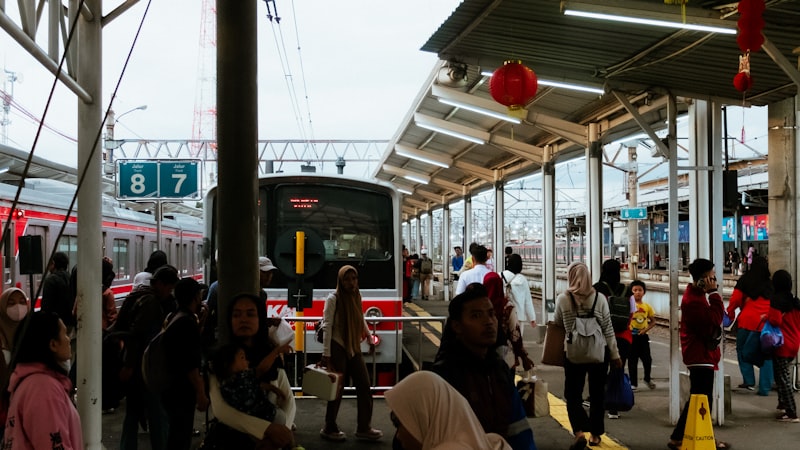
Transportation is where savvy travelers save the most money during the World Cup. Instead of flying between every host city, consider these affordable alternatives that can save you hundreds of dollars over a two-week trip.
Train Travel Across the Eastern US
Amtrak connects several East Coast World Cup cities at a fraction of the cost of flying. New York to Philadelphia is just $30 and 90 minutes, making it easy to attend matches in both cities. The Amtrak Northeast Regional also connects Boston, Newark, and Washington DC at reasonable prices.
Budget Bus Options
- Greyhound and FlixBus for shorter US hops at $15-40 per trip — book early for the lowest fares
- Megabus offers $1 base fares on some routes if booked 4-6 weeks ahead
- Mexico first-class buses (ADO, ETN) are comfortable, safe, and under $50 between cities — they include air conditioning, reclining seats, and onboard entertainment
- Carpooling apps like BlaBlaCar connect fans heading to the same matches, splitting gas costs
Flight Booking Hacks for Cheap World Cup Flights
- Book domestic US flights on Tuesdays and Wednesdays for the lowest fares — studies show prices average 15-20% less on midweek departures
- Use Google Flights price tracking to get alerts when prices drop for your specific routes
- Consider budget airlines — Spirit and Frontier offer $30-60 one-way fares if you pack light and avoid add-ons
- Fly into secondary airports — Newark instead of JFK saves $50-100, Oakland instead of SFO, Burbank instead of LAX
- Book multi-city itineraries — flying into one city and out of another avoids backtracking and often costs the same as a round trip
- Set up fare alerts on Skyscanner and Hopper for your planned dates, then be flexible by a day or two in either direction
For a detailed breakdown of getting between all 16 host cities, check our Ultimate Guide to Traveling to FIFA World Cup 2026 which covers every route option.
Affordable World Cup Accommodation: Where to Sleep for Less
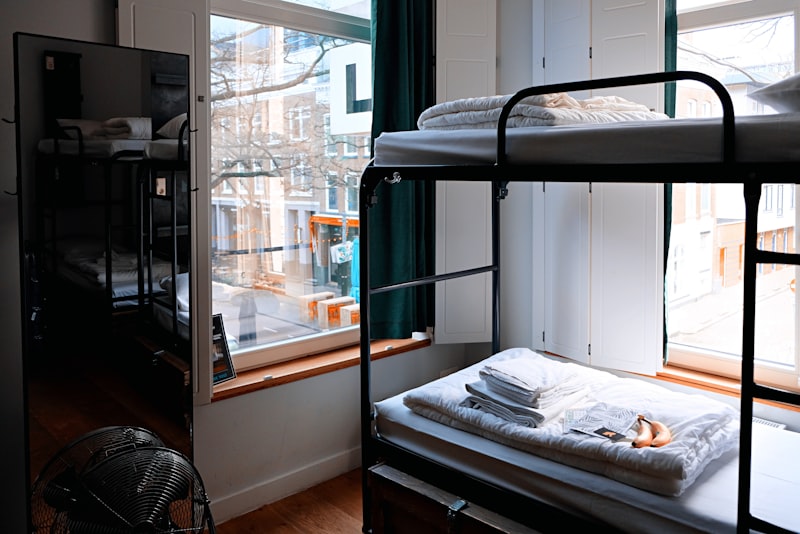
Accommodation is typically the largest expense for World Cup travelers, but there are excellent strategies to cut costs dramatically. The key is booking early, being flexible on location, and considering alternatives to traditional hotels.
Best Budget Accommodation Options by Host City
- New York/New Jersey: Hostels in Brooklyn ($35-50/night), university dorms in summer ($50-70), Jersey City Airbnbs ($80-120 — much cheaper than Manhattan)
- Mexico City: Hotels in Roma/Condesa ($40-80/night) — the best budget traveler destination of the entire tournament. Check our Mexico City World Cup Guide for neighborhood details
- Miami: Stay in Fort Lauderdale and take the Brightline train ($10-15, 30 min to downtown Miami). See our Miami World Cup Guide for the best value areas
- Los Angeles: Hostels in Venice Beach ($30-45/night), motels in Culver City ($60-90), Airbnbs in Koreatown ($70-100)
- Toronto: University of Toronto summer housing ($55-75/night) — a hidden gem. Our Toronto Guide has full details
- Dallas/Houston: Some of the cheapest hotel rates among US cities ($70-120/night for decent mid-range hotels)
University dorm accommodation is one of the best-kept secrets for budget World Cup travel. Many universities near host stadiums offer summer housing at a fraction of hotel prices. Check our Budget Hub for updated accommodation pricing across all 16 host cities.
Booking Timing Strategies
When you book matters almost as much as where you stay. Hotels near World Cup venues follow predictable pricing patterns:
- 6-12 months before: Best hotel rates with free cancellation — book now and adjust later
- 3-6 months before: Prices start climbing, especially near stadiums
- 1-3 months before: Peak pricing for popular cities like New York and Miami
- Last 2 weeks: Occasional cancellation deals appear as plans change — risky but sometimes rewarding
Eating Well for Less at the World Cup: Food Budget Tips
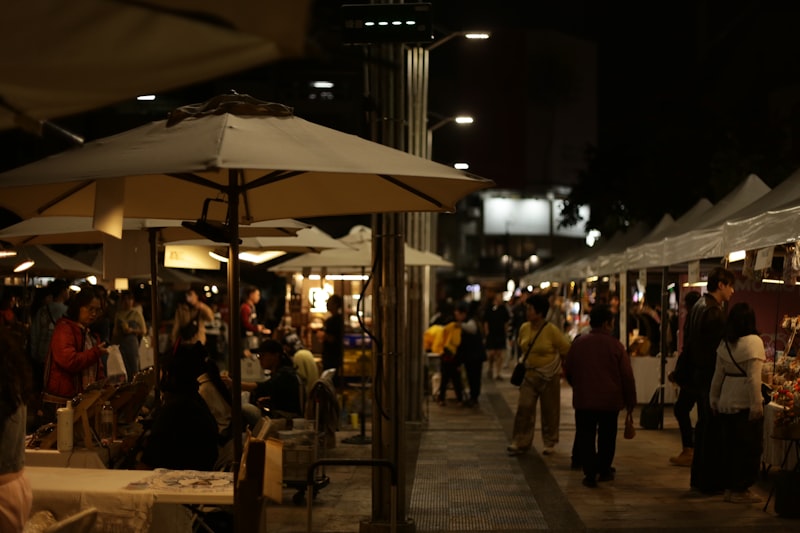
Food costs add up fast over a two-week trip, but eating well on a budget is absolutely possible across all three host countries. The trick is eating like locals do — street food, markets, and neighborhood restaurants rather than tourist traps near stadiums.
Mexico: The Budget Food Paradise
Mexico is by far the cheapest country for food during the World Cup. Budget $15-20 per day and eat like royalty:
- Street tacos: $1-2 each — look for stalls with long lines of locals, that is your quality indicator
- Market meals: $3-5 for complete plates at mercados like Mercado de la Merced
- Fondas: Set lunch menus (comida corrida) for $4-6 including drink, soup, main course, and dessert
- Agua frescas: Fresh fruit drinks for $0.50-1 — horchata, Jamaica, and tamarindo are must-tries
For the full food experience, read our Best Food Experiences Across World Cup 2026 Host Cities.
USA: Smart Eating Strategies
- Food trucks: $8-12 for generous portions — every US host city has a thriving food truck scene
- Grocery store meals: $5-8 at places like Trader Joe's, Whole Foods hot bar, or ethnic grocery delis
- Ethnic neighborhoods: Chinatowns, Little Italys, and Mexican neighborhoods in every city offer meals at 50-70% of restaurant district prices
- Happy hour specials: Many restaurants offer 50% off appetizers and discounted drinks from 4-6 PM
Canada: Finding Value in Toronto and Vancouver
- Chinatown and Little India for $8-12 meals that would cost $20+ in tourist areas
- Grocery chains like No Frills and FreshCo for budget shopping
- Food courts in malls and Kensington Market for diverse cheap eats
Free Entertainment and Fan Zones at the World Cup
FIFA Fan Fest zones in every host city are completely free — giant screens, live music, food vendors, and the electric atmosphere of thousands of fans watching together. Many seasoned World Cup travelers say Fan Fest nights are among their best memories from previous tournaments. These zones typically operate throughout the entire tournament, showing every match from every venue.
Beyond Fan Fests, every host city offers free entertainment options. Explore free museums (many US museums have free admission days), city parks, beaches, neighborhood walking tours, and street festivals that spring up around World Cup matches. Check our Fan Zones Complete Guide for locations and schedules in every host city.
Money-Saving Apps and Tools for World Cup Travelers
Technology can save you hundreds of dollars during your World Cup trip. Here are the essential apps and tools every budget traveler should set up before departure:
Flight and Accommodation Apps
Google Flights tracks fare trends and alerts you when prices drop for your routes. Hopper predicts whether flight prices will rise or fall, helping you decide when to book. For accommodation, Hostelworld and Booking.com offer the widest budget options with free cancellation policies that let you lock in rates risk-free.
Money and Currency Apps
Wise (formerly TransferWise) offers a multi-currency debit card with zero foreign transaction fees and real exchange rates. This alone can save 3-5% compared to traditional bank cards across your entire trip. In Mexico, always choose to pay in pesos rather than USD when given the option — dynamic currency conversion rates add 5-8% to every transaction. Use our City Comparison tool to compare costs between host cities before finalizing your itinerary.
Daily Spending Tracker
Track your spending with our Budget Hub tool to stay on target throughout your trip. Set daily limits and categorize expenses to identify where your money is going. Many travelers find they overspend in the first few days without realizing it — a tracker prevents budget blowouts.
Group Travel Savings: How Groups Save 30-40% on World Cup Costs
Traveling in a group of 4-6 people can reduce per-person costs by 30-40% across the board. Here is how the math works:
- Shared Airbnb apartments are dramatically cheaper per head than individual hotel rooms — a 3-bedroom apartment at $200/night splits to $50-67 per person versus $150+ for separate hotel rooms
- Car rentals split four ways cost less than two Uber rides each, plus give you flexibility for day trips and stadium transport
- Cooking group meals from grocery stores saves 60-70% compared to eating out every night — assign cooking duties and rotate
- Bulk ticket purchases — applying together in the FIFA lottery increases your group's chances of getting seats together in lower-demand matches
Use our Cheapest Cities Ranked guide to find the most affordable host cities for your group, and coordinate your itinerary with our trip planning tools.
The Cheapest World Cup 2026 Host Cities Ranked
Not all host cities cost the same. Choosing the right cities for your matches can save you $500-1,000 over a two-week trip. Here is how the 16 host cities rank by overall daily cost for budget travelers:
- Mexico City — $60-80/day all-in. The clear winner with $40-80 accommodation, $15-20 food, and $3-5 transport
- Guadalajara — $65-85/day. Similar to Mexico City with slightly fewer tourist crowds
- Monterrey — $70-90/day. Modern city with affordable hotels and excellent food
- Kansas City — $80-110/day. Underrated US city with affordable hotels and BBQ culture
- Houston — $85-115/day. Affordable for a major US city, incredible food diversity
- Dallas — $85-120/day. Good hotel deals outside downtown
- Philadelphia — $90-125/day. Great food scene, walkable, Amtrak access
- Atlanta — $90-130/day. Good transit, diverse food options
- Seattle — $100-140/day. Higher accommodation but great public transit
- Toronto — $100-145/day (CAD advantage helps). University housing available
- Boston — $110-155/day. Expensive accommodation but walkable
- Vancouver — $110-155/day (CAD). Beautiful but pricey accommodation
- San Francisco — $120-170/day. Expensive but excellent public transit
- Los Angeles — $120-170/day. Spread out, requires car or rideshare
- Miami — $125-180/day. High season pricing, stay in Fort Lauderdale to save
- New York/New Jersey — $130-200/day. Most expensive, but stay in Jersey City or Brooklyn to save
World Cup Travel Insurance: Is It Worth the Cost?
Travel insurance is one budget item you should not skip. A US emergency room visit costs $3,000-10,000+ without insurance, and a medical evacuation can cost $50,000-100,000. Comprehensive travel insurance policies with trip cancellation, medical coverage, and lost luggage protection cost just $50-150 for a two-week trip — a tiny fraction of your total budget that provides massive peace of mind.
Look for policies that specifically cover: medical emergencies abroad, trip cancellation or interruption, lost or delayed luggage, and event cancellation. Some credit cards offer built-in travel insurance when you pay for flights with the card — check before buying a separate policy. For more details, visit our Safety Tips Guide.

Budget World Cup Packing Tips to Avoid Extra Costs
Packing smart prevents unnecessary spending during your trip. Budget airlines charge $30-60 for checked bags, so traveling with carry-on only saves $60-120 on round trips. Here are the essentials:
- Reusable water bottle: Saves $5-8 per day on bottled water (refill at water fountains in the US and Canada)
- Portable phone charger: Stadium charging stations are rare, and your phone is your ticket, map, and translator
- Sunscreen from home: Stadium shops charge $15-20 for small bottles you can buy for $5 at home
- Clear stadium bag: Buy one before your trip for $5-10 rather than paying $20-30 at the venue
- Laundry kit: Pack travel detergent to wash clothes in your sink, reducing the amount of clothing you need
Check our complete World Cup 2026 Packing List for the full breakdown of what to bring.
How to Save on World Cup Match Day Expenses
Match days are when unplanned spending spirals fastest. Plan ahead to keep costs under control:
- Eat a full meal before the stadium: This alone saves $30-50 per match day on overpriced concessions
- Use public transit: Uber surge pricing on match days can be 3-5x normal rates. Public transit is often free or expanded for World Cup events
- Bring your own snacks: Energy bars and sealed water bottles are allowed through FIFA security
- Skip the official merchandise store at the stadium: The same items are available online and at city-center FIFA stores without the queue premium
- Watch some matches at Fan Fests: Save your ticket budget for 2-3 must-see matches and watch others at free fan zones for an equally amazing atmosphere
Conclusion: Your Affordable World Cup 2026 Trip Is Possible
A memorable World Cup trip is absolutely possible on a budget of $1,500-2,500 for two weeks. The keys are booking early, staying flexible on accommodation, eating like a local, choosing affordable host cities, and taking advantage of free fan zones. Millions of fans attended previous World Cups on tight budgets and came home with unforgettable memories — you can do the same in 2026.
Plan Your World Cup Trip
Generate your free personalised World Cup 2026 travel plan at worldcupguide.ai — our AI covers flights, hotels, match tickets, and complete itineraries across all 16 host cities.
Related Guides
- The Ultimate Guide to Traveling to FIFA World Cup 2026
- Best Food Experiences Across World Cup 2026 Host Cities
- How to Get World Cup 2026 Tickets: Complete Breakdown
- World Cup 2026 Cheapest Cities Ranked
Frequently Asked Questions About World Cup 2026 Budget Travel
Focus on group stage matches in less popular cities like Kansas City, Philadelphia, or Houston where ticket demand is lower. Stay in hostels, university dorms, or shared Airbnbs. Eat street food and local restaurants instead of tourist areas. Use public transit and intercity buses instead of flights and rideshares. With this approach, you can attend the World Cup for $1,500-2,500 over two weeks including flights, accommodation, tickets, food, and transport.
FIFA ticket prices vary by match stage and seat category. Category 4 group stage seats start at $35. Category 3 offers the best value at $50-75. Category 2 ranges from $100-175. Category 1 premium seats are $200-300+. Knockout round tickets are more expensive, with the World Cup Final ranging from $150 to $1,100 depending on category. Apply through the official FIFA ticket portal and sign up for our ticket alerts to catch additional sales phases.
Mexico City is by far the cheapest World Cup host city. Food costs just $15-20 per day with incredible quality, accommodation runs $40-90 per night in excellent neighborhoods like Roma and Condesa, and local transport on the Metro costs under $0.50 per ride. A full day in Mexico City including food, transport, and entertainment can cost as little as $60-80. Guadalajara and Monterrey are similarly affordable.
You cannot watch matches inside stadiums for free, but FIFA Fan Fest zones in every host city are completely free with giant screens, live music, food vendors, and the electric atmosphere of thousands of fans. Many experienced World Cup travelers say some of their best memories are from Fan Fest rather than inside the stadium. The atmosphere is incredible and the screens are massive — it is a legitimate way to experience the tournament without buying match tickets.
Budget travelers should plan for $80-120 per day covering accommodation, food, transport, and entertainment. Mid-range travelers typically spend $150-250 per day with more comfortable hotels and dining. Comfort travelers who want premium experiences should budget $300-500 per day. These daily estimates do not include match tickets, which are a separate one-time cost per match attended.
Yes. Spirit, Frontier, and Southwest offer $30-80 one-way fares between US cities when booked 3-6 weeks in advance. Amtrak rail passes cover the East Coast corridor connecting New York, Philadelphia, and Boston for $250-350 for unlimited 7-day travel. Mexican buses like ADO and ETN are comfortable first-class options at under $50 between Mexico City, Guadalajara, and Monterrey. FlixBus and Greyhound connect many US cities for $15-40.
Absolutely. A US emergency room visit costs $3,000-10,000+ without insurance, and medical evacuation can exceed $50,000. Comprehensive travel insurance policies cost just $50-150 for a two-week trip and cover medical emergencies, trip cancellation, lost luggage, and flight delays. Some credit cards include travel insurance when you purchase flights with the card — check your benefits before buying a separate policy.
Eat street food in Mexico for $1-3 per meal, use grocery stores and food trucks in the US for $5-12 per meal, and avoid stadium concessions where prices are 3-4x normal. Cook group meals if you have kitchen access in your accommodation. Take advantage of happy hour specials at US restaurants (typically 4-6 PM). In Canada, Chinatown and ethnic food courts offer meals for $8-12 that would cost $20+ in tourist areas.
It depends on your group size. Solo travelers save the most in hostels ($25-50 per night). Groups of 3-6 save significantly with shared Airbnb apartments — a 3-bedroom apartment at $200 per night splits to just $50-67 per person, compared to $150+ for individual hotel rooms. University dorm housing, available in cities like Toronto, New York, and Los Angeles during summer, offers another excellent budget option at $50-75 per night.
Book flights 3-6 months before the tournament for the best fares. Set up price alerts on Google Flights and Hopper to catch drops. For accommodation, book 6-12 months ahead with free cancellation to lock in rates, then rebook if prices drop. Match tickets should be purchased through official FIFA sales phases — avoid secondary market markup by applying in every lottery round and watching for last-minute official releases 30-60 days before the tournament.
Only buy tickets through the official FIFA ticket portal — never from social media sellers or unofficial websites. Book accommodation through established platforms like Booking.com, Hostelworld, or Airbnb with verified reviews. Use our Scam Warning Guide and Safety Guide tool to identify common World Cup travel scams. If a deal seems too good to be true, it almost certainly is.
Yes, and this is one of the best strategies for reducing costs. Transfer credit card points to airline partners for free or heavily discounted flights. Many travel credit cards offer 50,000-80,000 point sign-up bonuses worth $500-1,000 in flights. Start accumulating points 6-12 months before the tournament. Hotel loyalty programs also offer free nights — combine points and cash rates for the best value during high-demand World Cup periods.