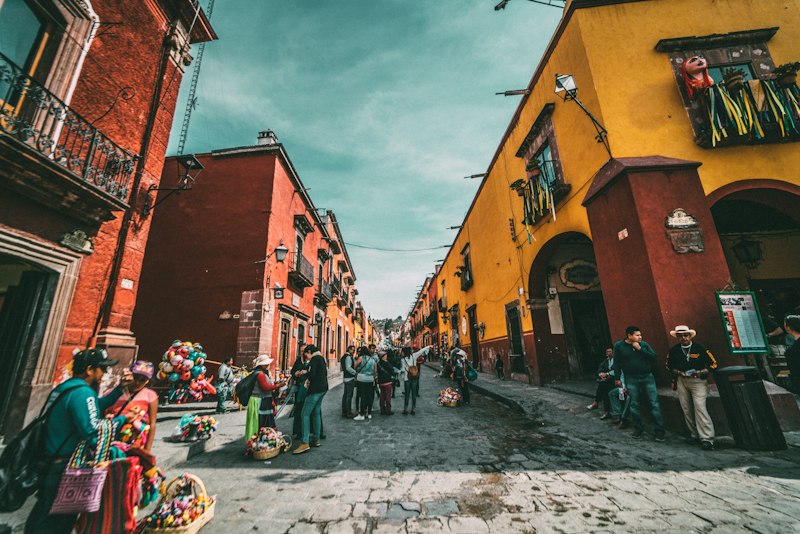
Mexico is hosting 12 FIFA World Cup 2026 matches across three incredible cities — Mexico City, Guadalajara, and Monterrey. The tournament's opening match takes place at Estadio Azteca on June 11, 2026, one of the most iconic football stadiums in the world and the only venue to have hosted two previous World Cup finals.
For fans who cannot get a US visa, or who simply want to experience the World Cup in a country with deep football culture and affordable prices, Mexico offers an unbeatable combination. Citizens of approximately 65 countries can enter Mexico visa-free, and holders of valid US, Canadian, Schengen, UK, or Japanese visas can enter Mexico without a separate Mexican visa regardless of nationality. This guide covers everything — entry requirements, stadiums, flights, hotels, food, safety, budgets, and local culture across all three host cities.
World Cup 2026 Match Schedule in Mexico — All Three Host Cities
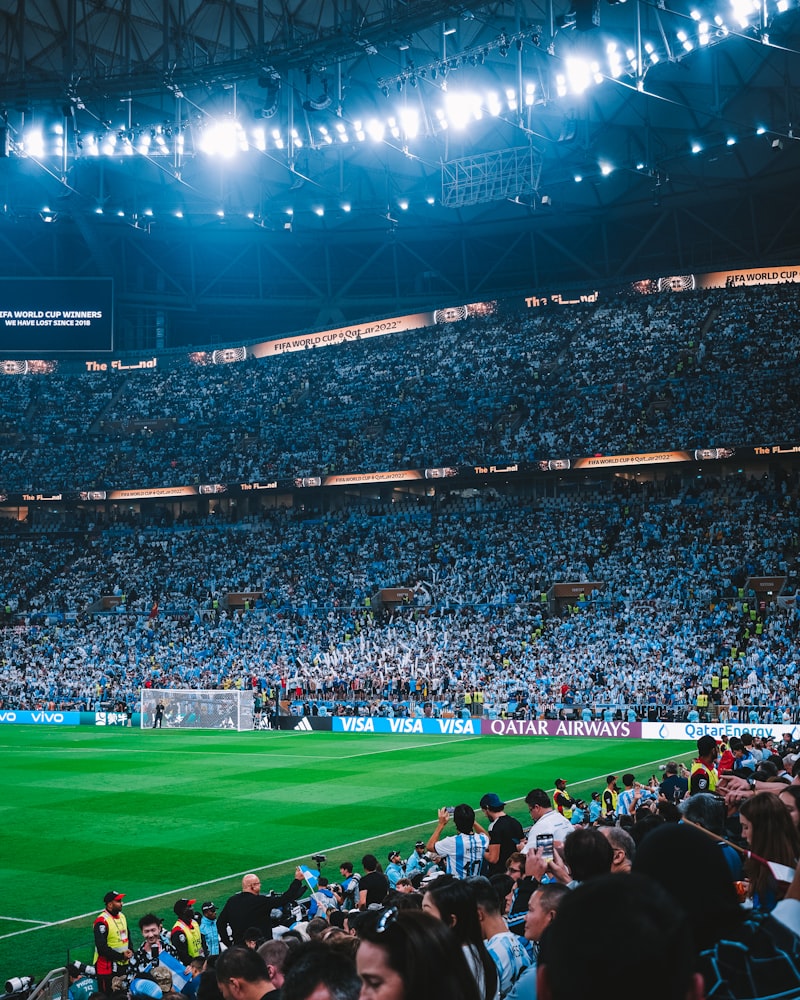
Mexico hosts 12 matches across three cities, including the historic opening match and knockout round games. The atmosphere at Mexican stadiums is legendary — expect passionate fans, colourful displays, and some of the most intense atmospheres of the entire tournament.
Planning your World Cup 2026 trip?
Our AI builds your complete itinerary — flights, hotels, visa, budget — delivered in 20–30 minutes. Free.
Generate Your Free Plan →Mexico City — Estadio Azteca Match Schedule and History
Estadio Azteca hosts 4 matches: 3 group stage matches and 1 knockout round match, including the tournament's opening match on June 11, 2026. This legendary stadium has hosted two World Cup finals (1970 and 1986), witnessed Pele's third World Cup triumph, and was the stage for Maradona's famous "Hand of God" and "Goal of the Century" against England. Capacity: approximately 83,000.
Playing at Estadio Azteca is a pilgrimage for any true football fan. The stadium has undergone significant renovations for World Cup 2026, including improved seating, upgraded facilities, and enhanced accessibility. The atmosphere here is unlike anywhere else — 83,000 Mexican football fans create a wall of sound that has intimidated visiting teams for decades.
Guadalajara — Estadio Akron (Estadio Chivas)
Estadio Akron hosts 4 matches, all group stage games. Also known as Estadio Chivas after its home club CD Guadalajara, this modern stadium was built in 2010 and seats approximately 49,000. It is located in the Zapopan area of the Guadalajara metropolitan zone. The stadium's distinctive volcano-inspired design makes it one of the most visually striking venues in the tournament.
Guadalajara is considered the cultural heart of Mexico — the birthplace of mariachi music, tequila, and charreada (Mexican rodeo). Attending a World Cup match here means experiencing Mexican football culture at its most authentic.
Monterrey — Estadio BBVA (The Steel Giant)
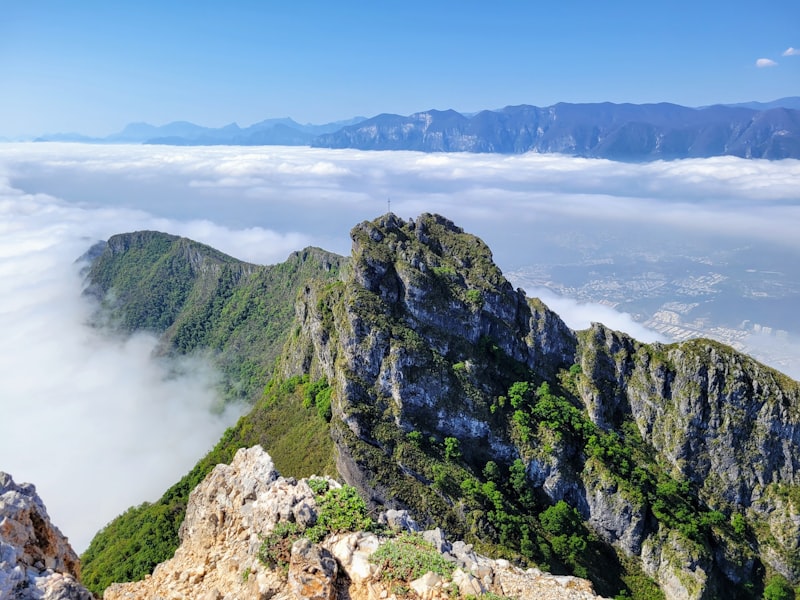
Estadio BBVA hosts 4 matches: 3 group stage and 1 knockout round match. Home to CF Monterrey (Rayados), this stunning stadium opened in 2015 and is considered one of the most modern and architecturally impressive in Latin America. Capacity: approximately 53,000. Its location against the backdrop of the Sierra Madre mountains creates one of the most dramatic settings in world football.
Mexico Entry Requirements — Visa-Free Access and the Schengen Shortcut
Mexico has some of the most accessible entry requirements of any World Cup 2026 host country. Understanding your options could save you significant time and money.
Visa-Free Entry to Mexico (65+ Countries)
Citizens of approximately 65 countries can enter Mexico visa-free for tourism for up to 180 days. These include: USA, Canada, UK, all EU member states, Australia, New Zealand, Japan, South Korea, Singapore, Argentina, Chile, Colombia, Costa Rica, Uruguay, Israel, and many others. If your country is on this list, you simply arrive with your passport — no advance application needed.
The US/Schengen Visa Shortcut for Mexico Entry
This is the most important rule for fans from visa-required countries and one that many overlook: If you hold a valid visa or permanent residency from the United States, Canada, Japan, the United Kingdom, or any Schengen country, you can enter Mexico WITHOUT a Mexican visa, regardless of your nationality.
This means if you already have a valid US B-1/B-2 visa (even if obtained through FIFA PASS and even if you cannot or choose not to travel to the US), you can use it to enter Mexico visa-free. The same applies to Schengen visas. This opens up Mexico as a World Cup destination for millions of fans from countries that would otherwise need a Mexican visa.
Mexico SAE — Electronic Authorization System
Citizens of Russia, Turkey, and Ukraine can apply for the SAE (Sistema de Autorizacion Electronica) — a free electronic authorization for air travel to Mexico. It allows a single entry and stays up to 180 days. Apply at the Mexican government's INM website before your trip.
Countries Requiring a Full Mexican Visa
One Mexico eSIM works across all three host cities — CDMX, Guadalajara, and Monterrey — no roaming charges, no SIM swaps
Get your Mexico eSIM on Yesim ↗Affiliate link
Citizens of most African and many Asian countries (including Bangladesh, India, Pakistan, Sri Lanka, and Nigeria) require a Mexican visa unless they hold a valid visa from the US, Canada, Japan, UK, or a Schengen country. Apply at the nearest Mexican embassy or consulate. Processing times are generally shorter than US visa applications.
For a comprehensive overview of all visa options across the three host countries, read our complete visa guide for World Cup 2026.
Mexico City World Cup Guide — The Heart of Football Culture
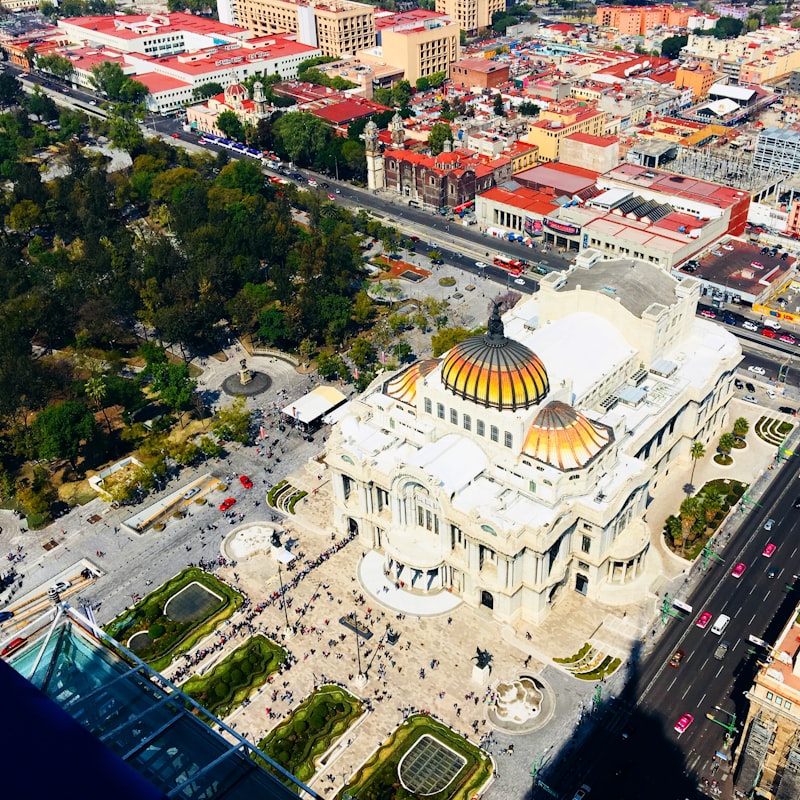
Mexico City is one of the largest and most culturally rich cities in the world, with a population of over 21 million in the metropolitan area. It offers world-class museums, incredible food, ancient history, and a football culture that runs deeper than almost anywhere on earth. Attending the World Cup here is not just watching football — it is immersing yourself in a city where football is a way of life.
Getting to Mexico City — Flights and Airport
Mexico City International Airport (MEX) — also known as Benito Juarez — is the busiest airport in Latin America with direct flights from most major global cities. Airlines include Aeromexico, United, American Airlines, British Airways, Lufthansa, Air France, Turkish Airlines, Iberia, and many more. Budget carriers Volaris and VivaAerobus operate domestic and regional flights at very competitive prices.
Felipe Angeles International Airport (NLU) — Mexico City's newer second airport, located north of the city. Some international and domestic flights now operate from here. It is further from the city centre but less congested.
From MEX airport to the city centre, your best options are: Metrobus Line 4 (cheapest at MXN $30 / about $1.50 USD), authorized airport taxi (MXN $250-350), or Uber/DiDi (MXN $150-250 to Roma/Condesa area). Avoid unlicensed taxis.
Where to Stay in Mexico City for World Cup Matches
Estadio Azteca is in the southern part of Mexico City in the Coyoacan/Tlalpan area. Best neighbourhoods to stay:
- Roma / Condesa — Trendy, walkable neighbourhoods with excellent restaurants, cafes, parks, and nightlife. 20-30 minute drive or Metro ride to Estadio Azteca. The most popular choice for international visitors, with a mix of boutique hotels and Airbnbs.
- Coyoacan — Closest to the stadium, a bohemian neighbourhood famous as the home of Frida Kahlo. Cobblestone streets, colourful markets, and a village-like atmosphere despite being in a megacity. Excellent local food scene.
- Centro Historico — The historic heart of the city around the Zocalo (main square). Budget-friendly options, incredible architecture, and easy Metro access. 30-40 minute drive to Estadio Azteca.
- Polanco — Upscale area with luxury hotels, high-end restaurants, and proximity to Chapultepec Park and the National Museum of Anthropology. Further from Azteca but excellent for a premium experience.
- Tlalpan — Budget-friendly area close to Estadio Azteca, authentic Mexican neighbourhood feel.
Mexico City Transport for World Cup Fans
The Mexico City Metro is one of the world's largest and cheapest metro systems. Key facts for fans:
- Cost: MXN $5 per ride (approximately USD $0.25) — incredibly affordable
- Estadio Azteca station: Line 2 (blue line) stops directly at the stadium — no transfer needed from many central locations
- Coverage: 12 lines covering most of the city
- Rush hour warning: The Metro gets extremely crowded during peak hours. On match days, expect heavy traffic around the Azteca station
The Metrobus is a modern bus rapid transit system that complements the Metro. Uber and DiDi are widely available and affordable throughout Mexico City. Avoid driving yourself — Mexico City traffic is notoriously congested.
What to Do in Mexico City Beyond the Matches
- National Museum of Anthropology — One of the world's greatest museums, housing Aztec, Mayan, and other Mesoamerican artefacts
- Frida Kahlo Museum (Casa Azul) — The iconic Blue House in Coyoacan where Frida lived and worked
- Teotihuacan Pyramids — Ancient pyramids just 50km from the city, including the Pyramid of the Sun
- Chapultepec Park and Castle — Massive urban park with a castle offering panoramic city views
- Zocalo and Templo Mayor — The historic centre with Aztec ruins, the Metropolitan Cathedral, and the National Palace
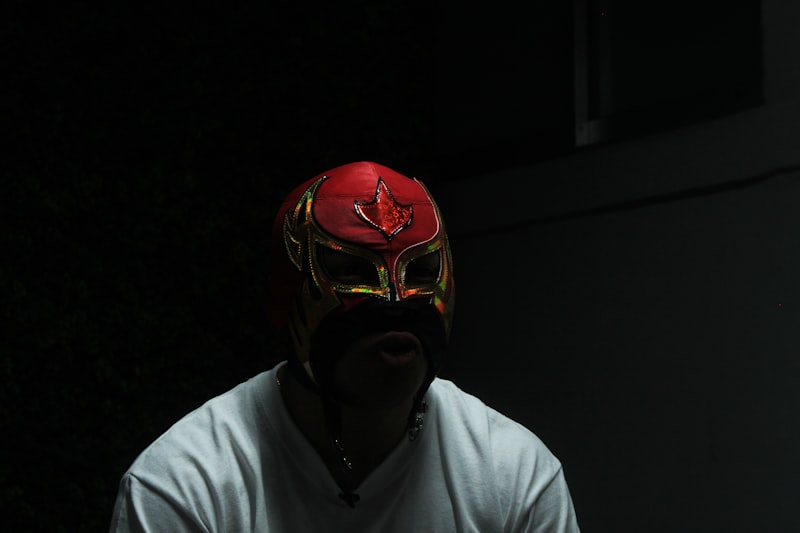
- Lucha Libre at Arena Mexico — Mexican wrestling is an unforgettable cultural experience. Shows run Tuesday, Friday, and Sunday evenings
- Xochimilco — Colourful boat rides on ancient Aztec canals with food, music, and flowers
Guadalajara World Cup Guide — Tequila, Mariachi, and Football
Guadalajara is Mexico's second largest city and its cultural capital. This is where tequila was born, where mariachi music originated, and where Mexican football identity runs deep. CD Guadalajara (Chivas) is the most popular club in Mexico, and the city's football passion is unmatched.
Getting to Guadalajara
Guadalajara International Airport (GDL) has domestic connections from Mexico City (1 hour flight, from $40 USD on Volaris or VivaAerobus) and international flights from several US cities (Los Angeles, Houston, Dallas, Chicago), plus direct routes from some European and South American cities. From the airport, take an authorized airport taxi or Uber/DiDi to your hotel (MXN $200-350 to the city centre).
Where to Stay in Guadalajara
- Zapopan — Closest to Estadio Akron, modern area with hotels, malls, and restaurants. Best for match-day convenience.
- Centro Historico — Traditional Guadalajara with beautiful colonial architecture, the Cathedral, and cheaper accommodation options. 30-minute drive to the stadium.
- Providencia / Americana / Lafayette — Upscale residential areas with excellent restaurants, tree-lined boulevards, and boutique hotels. The "Roma/Condesa of Guadalajara."
- Chapultepec / Country — Lively bar and restaurant strip, popular with locals and visitors alike.
What to Do in Guadalajara
- Tequila Town (day trip) — The town of Tequila is just 1 hour from Guadalajara. Take the Tequila Express train or drive through agave fields. Tour distilleries and taste tequila at its source.
- Hospicio Cabanas — UNESCO World Heritage site with murals by Jose Clemente Orozco
- Tlaquepaque — Artisan village with handcrafts, galleries, and traditional Mexican architecture
- Mercado San Juan de Dios — One of Latin America's largest indoor markets
- Mariachi Plaza — Watch mariachi bands perform in their birthplace
Pre-book transfers in Mexico City, Guadalajara, and Monterrey — skip the taxi negotiations and get fixed-price pickups with English-speaking drivers
Pre-book your Mexico airport transfer ↗Affiliate link
Monterrey World Cup Guide — Mountains, Industry, and Modern Football
Monterrey is Mexico's wealthiest and most modern city, an industrial powerhouse nestled dramatically against the Sierra Madre mountains. It has a distinct culture from the rest of Mexico — more business-oriented, with strong culinary traditions centred on grilled meat (carne asada) and craft beer. The city's two football clubs (Rayados and Tigres) have one of the most passionate rivalries in the Americas.
Getting to Monterrey
Monterrey International Airport (MTY) — also known as General Mariano Escobedo — has domestic flights from Mexico City (1.5 hours) and Guadalajara, plus international routes primarily from US cities (Houston, Dallas, Chicago, Los Angeles). Budget carriers Volaris and VivaAerobus offer very affordable domestic connections.
Where to Stay in Monterrey
- San Pedro Garza Garcia — Upscale area close to Estadio BBVA, modern hotels, restaurants, and malls. The most convenient location for match days.
- Centro / Barrio Antiguo — Historic centre with nightlife, bars, budget-friendly options, and the iconic Macroplaza.
- Valle Oriente — Modern business district with mid-range hotels and good restaurant options.
- Cumbres / Santa Catarina — Residential areas closer to the mountains with more affordable accommodation.
What to Do in Monterrey
- Cerro de la Silla — The saddle-shaped mountain that is Monterrey's iconic symbol, visible from throughout the city
- Parque Fundidora — Industrial heritage park built in a former steel foundry, with museums, gardens, and entertainment
- Macroplaza — One of the largest public squares in the world
- Garcia Caves — Spectacular caves with ancient rock formations, accessible by cable car
- Huasteca Canyon — Dramatic rock formations and hiking just outside the city
Travel Between Mexican World Cup Host Cities
If attending matches in multiple Mexican cities, here are your options. Mexico's domestic flight network is affordable and efficient:
- Mexico City to Guadalajara: 1-hour flight ($40-100 on Volaris/VivaAerobus), or 5.5-hour luxury bus ($30-50 on ETN or Primera Plus — an excellent experience with reclining seats, entertainment, and snacks)
- Mexico City to Monterrey: 1.5-hour flight ($50-120), or 10-hour bus ($40-60 — only recommended if you enjoy long scenic journeys)
- Guadalajara to Monterrey: 1.5-hour flight ($60-130), or 9-hour bus ($40-55)
Book domestic flights on Volaris.com or VivaAerobus.com for the best prices. Book at least 2-3 weeks in advance as prices will surge during the World Cup period.
Mexican Food Guide for World Cup Fans
Mexico has one of the world's greatest cuisines, recognized by UNESCO as an Intangible Cultural Heritage. Here is what to eat in each city:
Mexico City Food Essentials
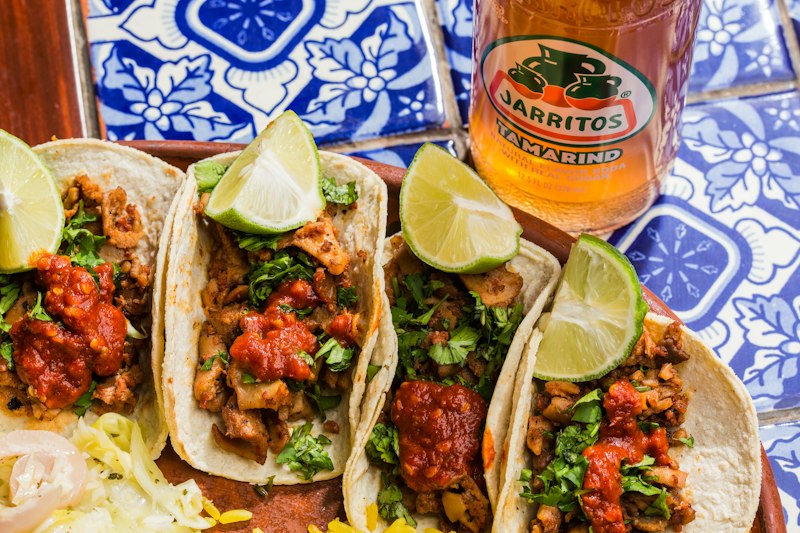
- Tacos al Pastor — Spit-roasted pork with pineapple, the signature Mexico City taco. Try the famous taco stands in the Roma neighbourhood.
- Tamales — Steamed corn dough with various fillings, sold on almost every street corner in the morning
- Mole — Complex sauces with dozens of ingredients. Oaxacan restaurants in the city serve the best varieties.
- Street food markets — Mercado de la Merced and Mercado de San Juan offer incredible food at local prices
Guadalajara Food Essentials
- Birria — Slow-cooked goat or beef stew, Guadalajara's signature dish. Try it in tacos (birria tacos) for the full experience.
- Tortas ahogadas — "Drowned sandwiches" smothered in spicy tomato sauce, a Guadalajara original
- Tequila — Visit the town of Tequila and taste it at the source
Monterrey Food Essentials
- Carne asada — Grilled beef is Monterrey's speciality. The city takes its grilled meat as seriously as Argentina.
- Cabrito — Roasted baby goat, a Monterrey delicacy
- Craft beer — Monterrey has a thriving craft beer scene, fitting for Mexico's brewery capital
For more food recommendations across all host cities, read our best food experiences guide.
Safety Tips for World Cup Fans in Mexico
Mexico is generally safe for tourists in the main cities and tourist areas, but standard precautions are important:
- Stick to well-known tourist areas, especially at night
- Use authorized taxis (sitio taxis) or Uber/DiDi — do not hail random taxis from the street
- Keep valuables secure and avoid displaying expensive jewellery, cameras, or phones
- Drink bottled water, not tap water — this applies everywhere in Mexico
- Be aware of altitude in Mexico City (2,240m / 7,350ft) — take it easy your first day, stay hydrated, and avoid heavy physical activity until you acclimatize. This altitude also affects players on the pitch at Estadio Azteca.
- Carry a photocopy of your passport, not the original — leave your passport in your hotel safe
- Be cautious with street food hygiene — eat at busy stalls where food turnover is high
- Keep emergency numbers handy: 911 (general emergency), 078 (tourist assistance hotline)
Browse authentic Mexico City experiences — Lucha Libre, street food tours, Teotihuacán pyramids, and Azteca Stadium tours
Discover Mexico City tours on GetYourGuide ↗Affiliate link
For detailed safety advice, use our Safety Guide tool and read our World Cup safety tips. Also check our Scam Checker tool to verify any suspicious offers you encounter.
Budget Estimate for a Mexico World Cup 2026 Trip
Mexico is the most budget-friendly World Cup 2026 destination by a significant margin. Food, transport, and accommodation are considerably cheaper than in the US or Canada. Here is a realistic budget breakdown for a 7-day trip. For a personalized calculation, use our Budget Hub tool.
| Item | Budget | Mid-Range |
|---|---|---|
| Return flights (international) | $400-800 | $700-1,300 |
| Accommodation (7 nights) | $250-500 | $500-1,000 |
| Match tickets (2 matches) | $150-300 | $300-600 |
| Internal flights (between cities) | $80-200 | $150-350 |
| Food & drink (7 days) | $150-300 | $300-600 |
| Local transport | $30-60 | $60-120 |
| Activities & attractions | $40-100 | $100-300 |
| Total estimate (USD) | $1,100-2,260 | $2,110-4,270 |
Tipping in Mexico: 10-15% at restaurants (check if service charge is included), 10-20 pesos for bag porters and valets. For more money-saving strategies, read our complete budget guide and compare city costs with our cheapest cities ranking.
Frequently Asked Questions — Mexico World Cup 2026
Yes, absolutely. Mexico has its own immigration system completely separate from the US. You do not need a US visa to enter Mexico. Depending on your nationality, you may be able to enter Mexico visa-free, use the SAE electronic authorization, or leverage an existing US/Schengen/UK/Japan visa to enter without a Mexican visa.
Yes. The opening match of FIFA World Cup 2026 takes place at Estadio Azteca in Mexico City on June 11, 2026. This will be the third time Estadio Azteca has hosted a World Cup — an unprecedented achievement in football history. Use our Ticket Alerts to get notified if opening match tickets become available.
Compare hotel prices across Mexico City, Guadalajara, and Monterrey — sort by distance to each stadium
Compare hotels across all three Mexican host cities ↗Affiliate link
Yes. Holders of a valid visa or permanent residency from the US, Canada, Japan, UK, or any Schengen country can enter Mexico without a separate Mexican visa, regardless of their nationality. This is one of the most important entry requirements for fans from countries that would otherwise need a Mexican visa. The visa must be valid at the time of entry.
The three host cities — Mexico City, Guadalajara, and Monterrey — are major metropolitan areas with established tourism infrastructure and millions of visitors annually. Standard urban precautions apply. Enhanced security measures will be in place during the tournament, including increased police presence around stadiums, fan zones, and tourist areas. For detailed safety information, use our Safety Guide tool.
Most airlines distribute the FMM (Forma Migratoria Multiple) on inbound flights, or it is processed electronically at immigration. Some nationalities can complete it online before arrival at the INM website. The FMM is free for stays under 7 days and approximately $30 USD for longer stays (often included in your airline ticket tax).
Mexico City sits at 2,240 metres (7,350 feet) above sea level. Most visitors experience mild altitude effects for the first 1-2 days: slight breathlessness, headaches, and fatigue. Take it easy your first day, drink plenty of water, avoid heavy alcohol consumption, and skip strenuous exercise until you acclimatize. Guadalajara (1,566m) and Monterrey (540m) are at significantly lower altitudes.
Some tourist areas accept USD, but the exchange rate will be very unfavorable — sometimes 10-15% worse than the market rate. Use Mexican pesos (MXN) for the best value. ATMs are widely available in all three host cities and offer competitive exchange rates. As of early 2026, USD $1 is approximately MXN $20. Credit cards are accepted at most restaurants, hotels, and shops, but carry cash for street food, markets, and small vendors.
From MEX airport: Metrobus Line 4 to the city centre (MXN $30), authorized airport taxi (MXN $250-350 to Roma/Condesa), or Uber/DiDi (MXN $150-250 to central areas). On match days, take Metro Line 2 directly to Estadio Azteca station. Allow extra time as the Metro will be very busy before and after matches.
Mexican street food is one of the world's great culinary experiences and is generally safe if you follow basic precautions: eat at busy stalls with high turnover (a long queue is a good sign), ensure meat is cooked fresh, drink bottled water, and be cautious with raw salads and unpeeled fruit. Start with well-known street food areas and work your way to more adventurous options as your stomach adjusts.
Yes, but you will need the appropriate entry authorization for each country. For the US, you need either ESTA (for VWP countries) or a B-1/B-2 visa. For Canada, you need a Canada eTA or Canadian visitor visa. Each country's immigration is completely separate. Read our Canada guide and Ultimate Guide for cross-border logistics.
Spanish is the primary language. In major tourist areas and hotels, some English is spoken, but outside tourist zones, Spanish is essential. Learning basic phrases (hola, gracias, por favor, cuanto cuesta, donde esta) will greatly improve your experience. Our packing list guide recommends translation apps to have on your phone.
As early as possible. Prices for accommodation in all three host cities are already rising as the tournament approaches. Domestic flights on budget carriers like Volaris are cheapest when booked 3-6 weeks in advance. International flights are best booked 3-4 months ahead. Use our trip plan generator for personalized booking timeline recommendations.
Conclusion — Why Mexico Is the Ultimate World Cup 2026 Destination
Mexico offers something no other World Cup 2026 host country can match: the combination of deep football culture, the historic opening match at Estadio Azteca, the most affordable prices across all host countries, accessible visa requirements, three incredible and distinct cities, and world-class food and culture. Whether you are a budget traveller or a luxury seeker, a first-time World Cup attendee or a seasoned veteran, Mexico delivers an unforgettable experience.
Start planning your Mexico World Cup trip today. The opening match at Estadio Azteca on June 11, 2026 is a moment that will go down in football history, and every football fan deserves to be part of it.
Plan Your World Cup Trip
Generate your free personalised World Cup 2026 travel plan at worldcupguide.ai — our AI covers flights, hotels, match tickets, and complete itineraries across all 16 host cities.