The FIFA World Cup is a fantastic family event, and bringing your children to experience it firsthand creates memories that last a lifetime. The 2026 tournament across the USA, Canada, and Mexico is uniquely suited for family travel — all three countries have world-class family infrastructure, theme parks, kid-friendly attractions, and the logistical support that makes traveling with children of all ages manageable and enjoyable.
However, a family World Cup trip requires significantly more planning than a solo adventure or adults-only trip. Match selection, accommodation type, packing strategy, energy management, and health precautions all need to account for your children's ages and needs. This comprehensive guide covers everything parents need to know — from choosing the right matches and cities to keeping kids entertained between games, managing energy levels, and staying safe across three countries. Whether your children are toddlers or teenagers, this guide will help you plan a World Cup family trip they will never forget.

Choosing the Right World Cup Matches for Kids
Not every World Cup match is ideal for young children. The wrong match choice can mean an overwhelmed, overtired child and frustrated parents. Here is how to pick matches wisely based on your children's ages:
Planning your World Cup 2026 trip?
Our AI builds your complete itinerary — flights, hotels, visa, budget — delivered in 20–30 minutes. Free.
Generate Your Free Plan →Match Selection Criteria for Families
- Kickoff times: Early matches (1 PM or 4 PM local time) are significantly better for kids than 9 PM kickoffs that do not finish until near midnight. A late match means a wired, overtired child and a difficult journey back to your accommodation. Prioritize daytime matches, especially for children under 8.
- Atmosphere intensity: Group stage matches involving smaller nations tend to have friendlier, more relaxed crowds with a festival-like atmosphere. These are ideal for younger children who may be attending their first major sporting event.
- Rivalry matches: Avoid intense rival matchups (e.g., Argentina vs Brazil, Mexico vs USA) if your children are very young. The atmosphere can be overwhelming with sustained noise levels, pyrotechnics, and very passionate fans. Save these for teenagers who will thrive on the energy.
- Family sections: FIFA typically designates specific stadium sections as family-friendly zones with a calmer atmosphere, alcohol restrictions, and dedicated stewards. Request these sections when purchasing tickets through the FIFA ticket portal.
- Stadium size: Smaller venues like BMO Field in Toronto (30,000 capacity) feel less intimidating than MetLife Stadium (82,000) for first-time young attendees. Consider your child's comfort level with massive crowds when choosing matches.
- Your team vs neutral: Attending your own country's match is the most meaningful experience for children — they understand the stakes and can participate fully in the cheering and emotions. However, a neutral group stage match is lower pressure and more relaxed for very young kids.
Essential Match Day Packing List for Kids at the World Cup
A well-packed match day bag is the difference between a magical experience and a miserable one. Here is a comprehensive checklist organized by priority:
Must-Have Items for Kids at World Cup Matches
- Noise-canceling headphones or earplugs: This is item number one for a reason. World Cup stadiums reach 100+ decibels during goals — sustained exposure at this level can damage young children's hearing. Invest in proper noise-canceling headphones (not just earbuds) for anyone under 10. Puro Sound Labs and 3M make kids-specific options that are comfortable for the full 90+ minutes.
- Sunscreen SPF 50+ and a hat for all daytime matches — reapply every 90 minutes. Even covered stadiums have open sections where UV exposure is significant.
- Sealed water bottle — one per person is allowed in most stadiums. Dehydration is the most common health issue for kids at outdoor events.
- Small snacks: Granola bars, crackers, dried fruit. Check specific stadium rules for what food items are allowed in. Stadium food is expensive and the lines are long — having snacks prevents meltdowns.
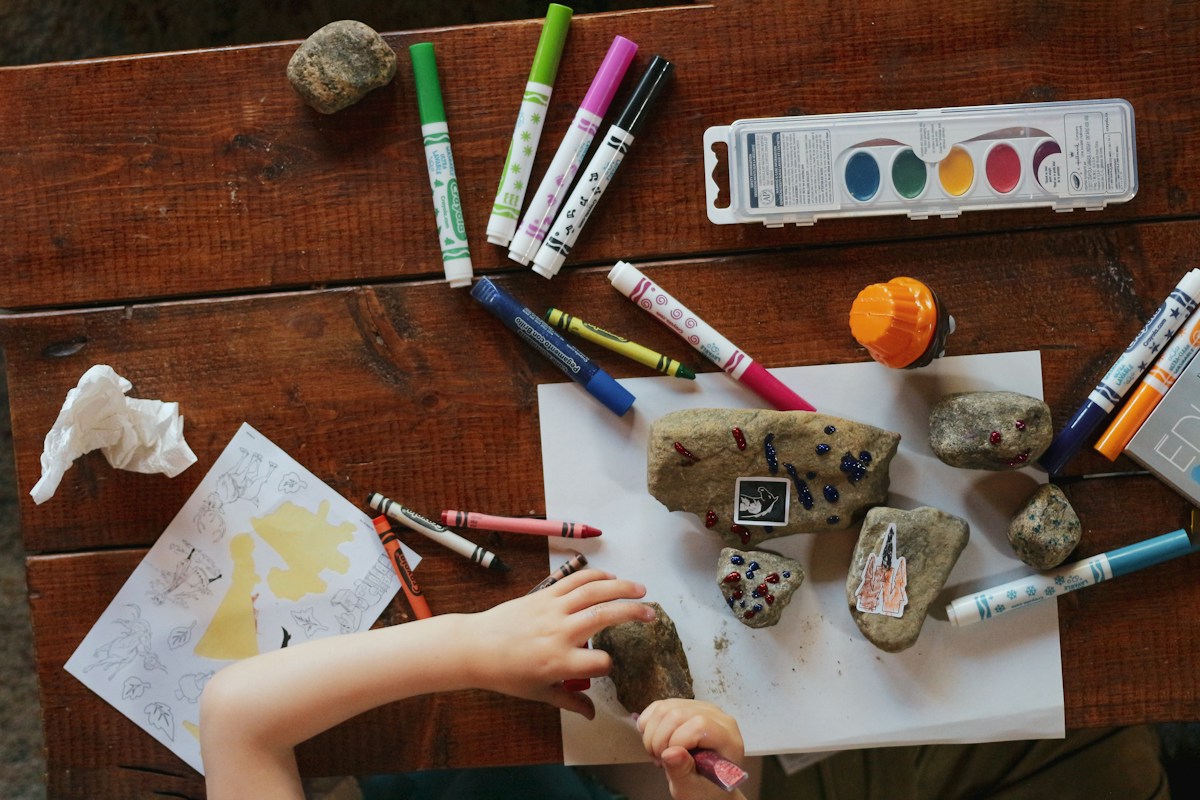
- Entertainment for downtime: Coloring book and crayons, a small toy, or a tablet with downloaded content and headphones for halftime and any delays. For younger children, sticker books are excellent — mess-free and engaging.
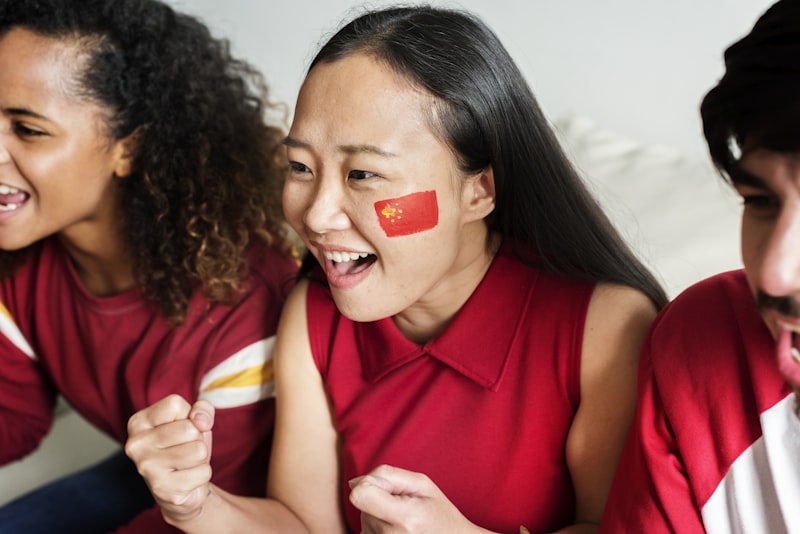
- Team jersey or colors: Kids love feeling part of the action. Let them wear their team's colors — they will get high-fives and cheers from fellow fans, which is part of the magic.
- Change of clothes: In a clear ziplock bag — accidents happen, drinks spill, and muddy puddles are irresistible to children. Include a lightweight rain jacket just in case.
- ID wristband: Write your phone number on a waterproof wristband for each child in case you get separated in the crowd.
Best Family-Friendly World Cup 2026 Host Cities
Some World Cup cities are dramatically better for families than others. Here is our detailed ranking based on kid-friendly attractions, safety, walkability, transit, and food options for children.
| City | Family Rating | Top Kid Activity | Why Families Love It |
|---|---|---|---|
| Orlando (near Miami) | 5/5 | Disney World / Universal | Theme park capital of the world, built for families |
| Toronto | 5/5 | Centre Island / Science Centre | Safe, walkable, excellent transit, multicultural food |
| Los Angeles | 4/5 | Universal Studios / beaches | Endless entertainment, great weather, diverse food |
| Mexico City | 4/5 | Chapultepec Park / zoo (free) | Most affordable, culturally rich, incredible food |
| Seattle | 4/5 | Pacific Science Center / aquarium | Mild weather, walkable downtown, family-oriented culture |
| San Francisco | 4/5 | Exploratorium / Alcatraz | Compact, walkable, cable cars, Golden Gate Bridge |
City Selection Tips for Families
Choose your World Cup city based on your children's ages and interests. For toddlers and young children (under 6), prioritize walkability and transit — Toronto and Seattle are ideal. For school-age children (6-12), theme parks and beaches are the draw — LA and the Miami/Orlando combination cannot be beat. For teenagers, the cultural experience matters most — Mexico City and New York offer the most memorable experiences outside football.
Use our City Comparison tool to compare family-friendliness, costs, and attractions between World Cup host cities.
Family Accommodation Tips for the World Cup 2026
Where you stay has a massive impact on family comfort and budget. Hotels are not always the best option for families — here is a detailed breakdown:
- Book apartments over hotels: Kitchen access saves hundreds of dollars and lets you prepare familiar foods for picky eaters. Being able to make breakfast and simple meals means less restaurant stress with children. Airbnb and Vrbo have family-friendly filters for cribs, high chairs, and family amenities.
- Choose locations near parks and green spaces: Kids need space to run around between structured activities. Being within walking distance of a park means free entertainment and energy release every day.
- Pool access is essential: A hotel or apartment pool is the ultimate kid recharger after a long match day. After hours of walking and cheering, children need physical downtime, and swimming provides exactly that.
- Laundry facilities matter: Kids generate far more dirty clothes than adults — spilled food, muddy parks, sweaty match days. In-unit or on-site laundry means you can pack lighter and wash as you go rather than bringing two weeks of clothes.
- Ground floor or elevator access: Hauling a stroller, diaper bag, and tired children up stairs gets old fast. Prioritize ground-floor apartments or hotels with reliable elevators.
- Quiet neighborhood: Choose residential neighborhoods over nightlife districts. Children need sleep, and a hotel above a bar district means late nights and cranky mornings.
For budget accommodation options, check our cheapest cities ranking and budget guide for family-specific cost estimates.
Managing Energy and Expectations: The Golden Rules
The single biggest mistake families make at the World Cup is trying to do too much. Children have limited energy, patience, and attention spans — even the most enthusiastic young football fan will hit a wall. These golden rules prevent meltdowns and keep the trip magical:
The Five Golden Rules of Family World Cup Travel
- One major activity per day maximum: A match OR a major sightseeing excursion, never both in the same day. If the match is at 4 PM, the morning should be relaxed — a nearby park, a slow breakfast, maybe a short walk. Do not schedule a museum visit, a 90-minute match, and dinner at a restaurant all on the same day.
- Build in rest days: Every 2-3 active days, schedule a dedicated pool, park, or chill day with no agenda. These rest days are when children process their experiences, and the whole family recharges. Some of the best family memories come from unplanned rest days.
- Eat early and often: Do not wait until everyone is hungry — "hangry" kids ruin evenings fast. Carry snacks at all times and eat meals 30 minutes before you think you need to. In hot climates, dehydration amplifies hunger and irritability.
- Flexible itinerary: Have a plan but be willing to scrap it completely if the family needs downtime. If your child is exhausted and wants to swim instead of visiting a museum, let them swim. Forcing the schedule creates misery.
- Let kids set the pace: Their wonder at the World Cup atmosphere — the flags, the face paint, the singing, the energy — will be your best memory. Do not rush them through moments of curiosity. Let them soak it in at their own pace.
Age-Specific Energy Management
- Toddlers (1-3): Maximum 3-4 hours of structured activity per day. Nap time is non-negotiable. Bring a stroller even if they normally walk. Expect to miss the second half of some matches if they are done.
- Young children (4-7): Maximum one major activity plus one minor activity per day. They will be excited by the atmosphere but tire quickly in heat. Early-afternoon matches with post-match naps work best.
- School age (8-12): Can handle a full match day plus light sightseeing. This is the ideal age for the World Cup — old enough to understand and appreciate the football, young enough to be awed by the atmosphere.
- Teenagers (13+): Nearly adult stamina but need autonomy. Let them have some independence — exploring a food market or fan zone with a sibling while you rest nearby keeps everyone happy.
Health and Safety for Kids at the World Cup
Children are more vulnerable than adults to heat, dehydration, crowd-related stress, and travel illness. Here is how to keep them safe and healthy throughout your trip. For general safety advice, read our complete safety guide.
Hydration and Heat Safety
- Children dehydrate faster than adults: Enforce regular water breaks every 30 minutes in hot cities like Miami, Dallas, Houston, and Mexico City. Do not wait until they say they are thirsty — by that point, they are already dehydrated.
- Recognize heat exhaustion in children: Signs include flushed face, excessive sweating or sudden lack of sweating, irritability, dizziness, and nausea. Move to shade immediately, apply cool water, and give small sips of water. If symptoms worsen, seek medical help.
- Sun protection: Reapply sunscreen every 90 minutes. For beach days, UV-protective shirts and rash guards reduce sunburn risk significantly. Wide-brim hats are better than baseball caps for full face and neck protection.
Crowd Safety with Children
- ID wristbands: Write your phone number on a waterproof wristband for each child. If they get separated in a crowd, any adult or security officer can help reunite you.
- Meeting point: Before entering the stadium, establish a visible, specific meeting point in case anyone gets separated. "The big screen near Gate C" is better than "somewhere near the entrance."
- Photos each morning: Take a quick photo of each child showing what they are wearing that day. If separated, you have a current reference to show security.
- Hold hands in crowds: In stadium approaches and exits, hold younger children's hands. Crowds surge after goals and at the final whistle.
- Carrier vs stroller in crowds: For toddlers, a child carrier (backpack style) is safer than a stroller in stadium-approach crowds. Strollers are difficult to maneuver in dense crowds and create trip hazards.
Travel Insurance for Families
Ensure your travel insurance policy covers all family members including children's specific medical needs. A child's ER visit in the US costs the same as an adult's — $3,000-10,000+. Look for policies that cover pediatric care, medication, and medical evacuation for all family members. Some family policies offer discounted rates for children.
Kid-Friendly Entertainment Between World Cup Matches
Keeping children entertained on non-match days is essential for family harmony. The beauty of the 2026 World Cup is that every host city has world-class attractions designed for families.
Theme Parks Near World Cup Host Cities
- Walt Disney World and Universal Orlando: A 4-hour drive from Miami — many families combine Miami matches with Orlando theme parks for the ultimate family trip.
- Universal Studios Hollywood: In Los Angeles — the Wizarding World of Harry Potter is a highlight for kids aged 5-15.
- Six Flags Over Texas: Near Dallas — roller coasters and water rides perfect for older kids and teenagers.
- Legoland California: Near San Diego — ideal for children aged 2-12, just 2 hours from LA.
- Canada's Wonderland: Near Toronto — Canada's largest theme park with rides for all ages.
Museums and Science Centers
- Space Center Houston: NASA's visitor center — inspiring for all ages, with real spacecraft and interactive exhibits.
- Pacific Science Center (Seattle): Hands-on exhibits, planetarium, and IMAX theatre.
- Ontario Science Centre (Toronto): Interactive science exhibits designed specifically for children.
- National Museum of Anthropology (Mexico City): World-class museum that even young children enjoy — the Aztec calendar stone is awe-inspiring.
- American Museum of Natural History (New York): Dinosaurs, space, and ocean life — every child's dream museum.
Beaches and Outdoor Activities
- South Beach (Miami): Warm water, gentle waves, and lifeguard presence make it ideal for families.
- Santa Monica Beach (LA): Wide sandy beach with the iconic pier, playground, and aquarium.
- Toronto Islands: A short ferry ride from downtown — car-free beaches, picnic areas, and a small amusement park.
- Chapultepec Park (Mexico City): 1,600 acres with a free zoo, paddle boats, a castle, and playgrounds.
Feeding Kids During the World Cup: Food Tips for Families
Feeding children in three different countries requires flexibility and planning. Here are strategies that work for families with picky and adventurous eaters alike. For a complete food guide, see our World Cup food guide.
- Familiar foods are everywhere: All US and Canadian cities have familiar fast food chains and international restaurants that serve kid-friendly staples. Mexico has simple, delicious options that most children love — quesadillas, plain rice, grilled chicken, and fresh fruit.
- Pack emergency snacks: Bring familiar snacks from home for moments when local food is not working. Granola bars, crackers, and dried fruit travel well internationally.
- Kitchen access: Booking apartments with kitchens lets you prepare familiar breakfasts and simple meals, reducing mealtime stress and saving money.
- Introduce new foods gently: Let children try one new local food per day alongside familiar options. Do not force it — positive food experiences come from choice, not pressure.
- Allergies: Carry allergy cards in English and Spanish listing your child's specific allergies. In the US and Canada, restaurants are legally required to accommodate allergies. In Mexico, be more proactive about communicating needs.
Flying with Children to the World Cup
Multi-city World Cup trips mean multiple flights. These tips make flying smoother for the whole family:
- Book early morning flights: Fewer delays and children are more settled in the morning. Afternoon and evening flights have cascading delay effects.
- Pack a carry-on entertainment bag: Tablet with downloaded shows and games (download content from Netflix/Disney+ before departure), coloring books, snacks, and a change of clothes in case of spills.
- Bring noise-canceling headphones for the plane: They make flights more pleasant for children over 2 and let them watch content without disturbing other passengers.
- Request bulkhead seats: Extra legroom makes a significant difference for families, especially with toddlers who need floor space for play.
- Explain the security process: For anxious children, explain what will happen at airport security beforehand — shoes off, bags in trays, walking through the scanner alone. Knowing what to expect reduces stress dramatically.
- Car seats on planes: For children under 4, bringing a car seat on the plane is the safest option and provides familiar comfort. Most airlines allow FAA-approved car seats in purchased seats.
- Arrival day flexibility: Do not schedule any activity on arrival day. Let the family settle in, explore the neighborhood, find a nearby supermarket, and rest.
Budget Planning for a Family World Cup Trip
Family travel to the World Cup is a significant investment. Here is a realistic budget breakdown for a family of four:
| Expense | Budget Level | Mid-Range | Comfort |
|---|---|---|---|
| Accommodation (2 weeks) | $2,000-3,500 | $4,000-7,000 | $7,000-12,000 |
| Match tickets (3 matches) | $400-600 | $800-1,600 | $2,000-4,000 |
| Food (2 weeks) | $1,500-2,500 | $2,500-4,000 | $4,000-6,000 |
| Transport (local) | $500-800 | $800-1,500 | $1,500-2,500 |
| Activities/entertainment | $500-1,000 | $1,000-2,000 | $2,000-4,000 |
| Total (excl. flights) | $5,000-8,400 | $9,100-16,100 | $16,500-28,500 |
Mexico City is the most affordable option by far — a family of four can have an incredible 2-week World Cup experience for $5,000-8,000 excluding flights. Use our Budget Hub to get a personalized family budget estimate based on your specific cities and dates.
Conclusion: Making the World Cup a Family Memory for Life
A family World Cup trip is one of the greatest gifts you can give your children — exposure to global cultures, the thrill of live sport at the highest level, shared family adventure, and the irreplaceable memory of being part of something bigger than yourselves. Plan around kid-friendly match times, pack for comfort over style, build in generous rest days, and let the children set the pace. Their wonder and excitement will be your best memories of the entire tournament.
Use our Family Guide tool to generate a customized family itinerary based on your children's ages, interests, and your budget. It factors in nap times, kid-friendly attractions, family restaurant recommendations, and optimal match selections to create a trip plan designed specifically for your family.
Plan Your World Cup Trip
Generate your free personalised World Cup 2026 travel plan at worldcupguide.ai — our AI covers flights, hotels, match tickets, and complete itineraries across all 16 host cities.
Related Guides
- Safety Tips for World Cup 2026
- World Cup 2026 Budget Guide
- Best Food Experiences at the World Cup
- How to Get World Cup 2026 Tickets
- World Cup Packing List
- Stadium Bag Policy Guide
Frequently Asked Questions About Family Travel to the World Cup 2026
There is no minimum age — children of all ages can attend World Cup matches with a valid ticket. For infants under 2, FIFA may allow them to sit on a parent's lap without a separate ticket at some venues, but this varies and should be confirmed through FIFA's official policy for 2026. Even if lap seating is available, consider purchasing a seat for comfort during a 2+ hour event.
Yes, FIFA typically designates specific stadium sections as family-friendly zones. These sections have a calmer atmosphere, alcohol restrictions, and dedicated stewards trained to assist families. Request family section tickets during the ticket purchasing process. Availability varies by venue and match — popular matches sell family sections faster.
Toronto ranks highest for families with young children — it is safe, walkable, has excellent public transit (no car needed), and offers the Ontario Science Centre, Toronto Islands, and Centre Island amusement park. Los Angeles is ideal for theme park families (Universal Studios, Legoland, Disneyland nearby). Mexico City is the most affordable with Chapultepec Park offering a free zoo and extensive green space.
A family of four for two weeks (excluding international flights): budget level $5,000-8,400, mid-range $9,100-16,100, comfort level $16,500-28,500. Mexico City is the most affordable base. The biggest variables are accommodation (apartments save 30-50% over hotels) and number of live matches attended. Use our Budget Hub for a personalized family estimate.
Yes, every person entering the stadium needs a valid ticket, including children and infants. FIFA typically offers discounted children's tickets for certain categories. Purchase children's tickets through the same FIFA portal as adult tickets and select family section seating when available.
Use waterproof ID wristbands with your phone number on each child. Establish a specific, visible meeting point inside the stadium before the match. Hold younger children's hands during stadium entry and exit when crowds are densest. Take a photo of each child each morning showing what they are wearing. Consider a child carrier (backpack style) instead of a stroller for approaching stadiums. Teach children to find a security officer or staff member if separated.
US and Canadian cities have familiar fast food chains and international restaurants. Mexico has simple, universally appealing options — quesadillas (just cheese in a tortilla), plain grilled chicken, rice, fresh fruit, and churros. Book accommodation with kitchen access to prepare familiar breakfasts. Pack emergency snacks from home. Do not force new foods — offer one new item alongside familiar options and let children decide.
Strollers are useful for city sightseeing but typically not allowed inside stadiums. Use a lightweight, foldable umbrella stroller for cities and switch to a child carrier (backpack-style) for stadium approaches. Most stadiums have stroller parking areas near entrances but do not guarantee security. For children over 3 who normally walk, a stroller is still recommended for the amount of walking involved — 15,000-25,000 steps per match day is typical.
Invest in proper noise-canceling headphones designed for children — not standard earbuds, which are inadequate. World Cup stadiums regularly exceed 100 decibels during goals, which can damage young ears with prolonged exposure. Puro Sound Labs BT2200 ($40-50), BuddyPhones Cosmos+ ($30-40), and 3M Peltor Kid ($15-25) are all excellent options. Put them on before entering the stadium and keep them on throughout the match.
Yes, most stadiums allow essential baby supplies including formula, baby food, diapers, and wipes in a clear bag. Sealed water bottles for mixing formula are typically permitted. Check the specific venue's policy through the FIFA app or our bag policy guide. Some stadiums have baby changing facilities — ask stewards for directions upon entry.
Choose a family travel insurance policy that covers all members, including children's specific medical needs. Essential coverage includes: medical treatment in all three countries (US healthcare is expensive), emergency evacuation, trip cancellation, and lost luggage. World Nomads and Allianz offer family policies. Ensure the policy covers pre-existing conditions if any family member has them. Budget $200-500 for comprehensive family coverage for a 2-week trip.
Tourist areas of Mexico City (Roma, Condesa, Polanco, Coyoacan, Centro) are safe for families with standard precautions. Use Uber for transportation, drink only bottled water, and stay in well-known neighborhoods. Chapultepec Park and the Zocalo area are family-friendly and have regular police presence. Mexican culture is very family-oriented, and children are warmly welcomed everywhere. During the World Cup, security presence will be significantly enhanced in all host cities. Read our complete safety guide for detailed Mexico safety tips.
Keep it to 2-3 cities maximum for families — more than that creates travel fatigue, especially with young children. Choose cities with direct flight connections (e.g., Miami to Dallas, Toronto to New York). Build in a full rest day after every city change. Book accommodation near transit hubs to minimize local transport stress. Use our Trip Plan Generator to build a family-optimized multi-city itinerary that accounts for travel time and rest days.