
The 2026 FIFA World Cup will be the largest sporting event in history — 48 teams, 16 host cities, three countries, and over 5 million expected spectators. Whether you are following your national team across continents or catching a few matches in one city, the scale of this tournament demands serious planning. This is your complete World Cup 2026 travel guide covering everything from flights and accommodation to visas, local transport, budgets, and day-by-day itinerary strategies.
The first-ever tri-nation World Cup spans the USA, Canada, and Mexico — three countries with different visa requirements, currencies, languages, and transport systems. Getting it right means the difference between a smooth, unforgettable experience and an expensive, stressful mess. This guide brings together every piece of knowledge you need to plan the perfect World Cup trip, whether you have six months or six weeks to prepare.
Understanding the 2026 World Cup Tournament Format
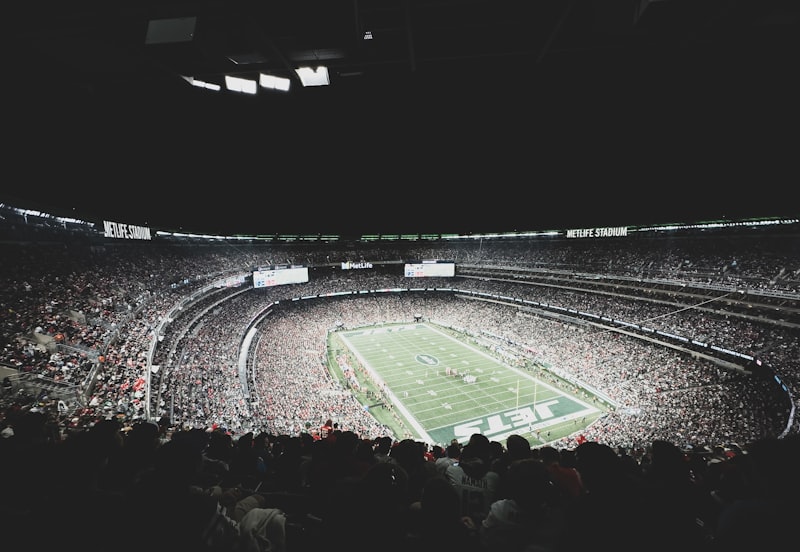
The expanded 48-team format means 104 matches played over 39 days — significantly more than the 64 matches in previous 32-team tournaments. Group stages run across all 16 cities simultaneously, while knockout rounds narrow to fewer venues. The final takes place at MetLife Stadium in New Jersey, just outside New York City.
Planning your World Cup 2026 trip?
Our AI builds your complete itinerary — flights, hotels, visa, budget — delivered in 20–30 minutes. Free.
Generate Your Free Plan →Key World Cup 2026 Dates
- June 11, 2026 — Opening match at Estadio Azteca, Mexico City
- June 11 - July 2 — Group stage matches across all 16 cities
- July 3 - July 10 — Round of 32
- July 11 - July 15 — Quarterfinals
- July 17 - July 18 — Semifinals
- July 19, 2026 — Final at MetLife Stadium, New Jersey
The expanded format creates both opportunities and challenges for travellers. More matches mean more chances to see your team play, but also more potential cities to visit and more complex logistics to manage. The group stage alone runs for 22 days across all 16 venues — understanding the structure helps you plan an efficient route.
Planning Your World Cup Travel Route
Start by identifying which matches you want to attend, then build a travel route that minimizes backtracking. The 16 host cities span three time zones and two primary languages, so route planning is critical to both your budget and your energy levels.
The 16 World Cup 2026 Host Cities
| Country | Cities | Best For |
|---|---|---|
| USA (11 cities) | New York/NJ, Los Angeles, Miami, Dallas, Houston, Philadelphia, Kansas City, Atlanta, Seattle, San Francisco, Boston | Most matches, easiest logistics |
| Mexico (3 cities) | Mexico City, Guadalajara, Monterrey | Best atmosphere, lowest cost |
| Canada (2 cities) | Toronto, Vancouver | Pleasant climate, walkable downtowns |
Smart Routing Strategies for World Cup Travel
- Pick a region: Focus on East Coast (New York, Philadelphia, Boston, Miami), Central (Dallas, Houston, Kansas City, Atlanta), or West Coast (LA, San Francisco, Seattle) to minimize flights
- Use hub cities: Dallas, Atlanta, and New York have the most connecting flights — base yourself there for flexibility
- Consider cross-border logistics: If attending matches in Mexico and the US, fly through Dallas or Houston for easy connections. For Canada-US travel, Toronto-New York and Vancouver-Seattle are natural pairings.
- Book open-jaw tickets: Fly into one city and out of another to avoid backtracking. This can save hundreds of dollars compared to round-trip flights with domestic connections.
- Build in transit days: Never schedule matches in different cities on consecutive days. You need at least one full day between cities for travel, rest, and exploring.
Use our AI Trip Planner to generate a personalised route based on your team, budget, and preferred cities. The AI optimises for minimum backtracking and maximum match attendance.
When to Book Your World Cup 2026 Trip
Timing is everything for World Cup travel. Flight prices typically spike 3-4 months before the tournament and remain elevated until kickoff. The sweet spot for booking international flights is 6-9 months in advance — you will find the best combination of availability and price. For domestic US flights between host cities, 6-8 weeks before departure offers the lowest fares on average.
Accommodation follows a similar pattern. Hotels within 10 miles of stadiums fill up fast once the match schedule is confirmed. If you are flexible on location, waiting for late deals can work — but for prime locations, book early and choose refundable rates. Platforms like Booking.com offer free cancellation on most properties, giving you flexibility as plans evolve.
Key Booking Windows for World Cup Travel
- 12+ months before: Book international flights for best prices. Lock in hotel reservations with free cancellation.
- 6-9 months before: Lock in accommodation near stadiums. Start visa applications if needed.
- 3-6 months before: Book domestic flights, rental cars, and experiences. Purchase match tickets through FIFA's official portal.
- 1-3 months before: Final adjustments, restaurant reservations, and day trips. Buy stadium-compliant clear bags and travel gear.
- 2-4 weeks before: Download offline maps, set up eSIM, confirm all bookings, and print document backups.
- During tournament: Last-minute deals appear as plans change — stay flexible. Check Ticket Alerts for new ticket drops.
World Cup 2026 Flights and Transportation Guide
Domestic flights within the US are your primary transport between distant cities. Budget carriers like Southwest, Spirit, and Frontier offer affordable options if booked 6-8 weeks ahead. For shorter distances, trains and buses can be cheaper and more convenient — no airport security, city-centre departures, and more legroom.
| Route | Best Option | Est. Cost | Time |
|---|---|---|---|
| NYC to Philadelphia | Amtrak | $30-60 | 1.5 hrs |
| Dallas to Houston | Drive/Bus | $25-40 | 3.5 hrs |
| LA to San Francisco | Flight | $60-120 | 1.5 hrs |
| Mexico City to Monterrey | Flight | $80-150 | 1.5 hrs |
| NYC to Boston | Amtrak/Bus | $25-80 | 3.5-4 hrs |
| Toronto to New York | Flight | $100-200 | 1.5 hrs |
| Seattle to Vancouver | Drive/Bus | $30-50 | 2.5-3 hrs |
| Mexico City to Guadalajara | Flight | $60-120 | 1 hr |
Getting to Stadiums from City Centres
Stadium accessibility varies dramatically across host cities. Some venues have excellent public transit connections while others require car or rideshare access. This is one of the most important factors in choosing where to stay.
- Best public transit: Houston (METRORail to NRG Stadium), Philadelphia (subway to Lincoln Financial Field), Atlanta (MARTA to Mercedes-Benz Stadium), Seattle (light rail near Lumen Field)
- Rideshare/car required: Dallas/Arlington (no rail to AT&T Stadium), Miami (Hard Rock Stadium is in suburbs), Boston (Gillette Stadium is in Foxborough, 30 miles from city centre)
- Excellent walkability: Kansas City (Arrowhead walkable from tailgate lots), Toronto (BMO Field near downtown), Vancouver (BC Place in city centre)
For detailed stadium-by-stadium transport guides, check our city guides for Dallas and Houston, Miami, Los Angeles, and Toronto.
Lock in your World Cup flights early for the best prices:
Compare World Cup flights on Kiwi.com ↗Affiliate link
World Cup 2026 Accommodation Strategies
Hotels near stadiums will be 2-3x their normal price during match weeks. Smart planning and alternative accommodation can save you thousands over a multi-week trip. Start by checking our budget guide for city-specific pricing, then consider these strategies.
- University dorms: Many US and Canadian universities offer summer housing at $40-80/night. These are often well-located near public transit and include basic amenities. Book early — they fill up fast for major events.
- Neighbouring cities: Stay in Newark for NY matches (half the price of Manhattan), Pasadena for LA matches, or Arlington for Dallas. A 30-minute commute saves significant money.
- Home-sharing platforms: Airbnb and VRBO often have better rates for groups of 3+. A 2-bedroom apartment split four ways can cost less per person than a budget hotel.
- Hostels: HI USA hostels exist in most major cities at $30-50/night. Private rooms are available at $60-90/night for those who want privacy. Hostelling International properties are clean, safe, and social.
- Extended stay hotels: For trips of 5+ nights, chains like Extended Stay America and Residence Inn offer weekly rates 20-30% below nightly pricing.
Landing in a new city? Skip the taxi queue:
Pre-book your airport pickup — driver waits at arrivals ↗Affiliate link
World Cup 2026 Visa Requirements at a Glance
Visa requirements are one of the most critical parts of World Cup travel planning — and the most time-sensitive. Start your visa process as early as possible, especially if you need appointments at US embassies, which can have wait times of 2-6 months in some countries.
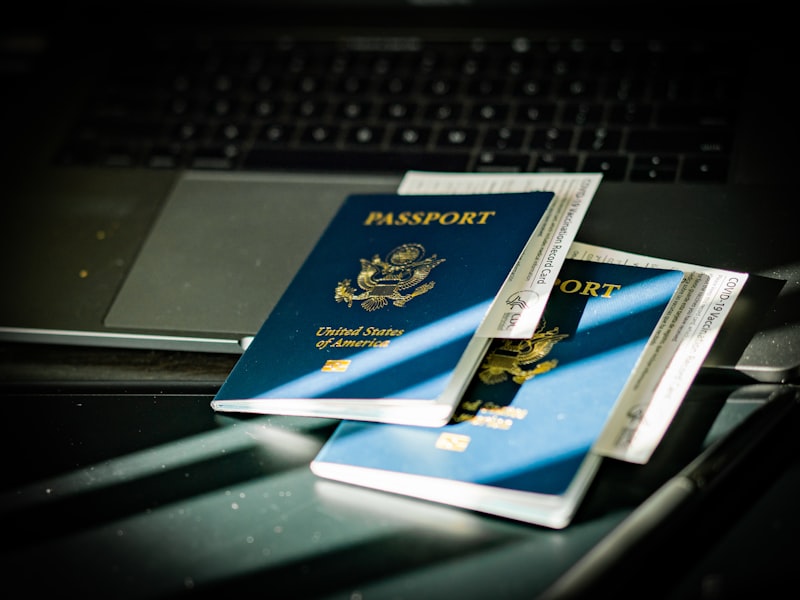
- USA: ESTA ($21, 41 eligible countries) or B1/B2 visa. Apply for ESTA at least 72 hours before travel. B1/B2 visa applicants should begin 6+ months early.
- Canada: eTA (CAD $7) for visa-exempt nationals, or Temporary Resident Visa. Processing typically takes 2-4 weeks.
- Mexico: Visa-free for 65+ countries. Holders of valid US, Canadian, or Schengen visas can enter without a Mexican visa — this is a major advantage for fans who already have US entry documents.
Read our detailed visa guide for country-by-country requirements. If you need a US visa, our ESTA guide covers the Visa Waiver Program, and our Fan ID guide explains how FIFA's Fan ID programme may help with expedited processing.
Cross-Border Travel Tips
If your World Cup route crosses national borders, plan each crossing carefully:
- US-Canada: Ensure you have valid entry documents for both countries. The land border crossing at Niagara Falls (for Toronto-based fans visiting Buffalo/New York) can have 1-2 hour waits in peak season. Flying is often simpler.
- US-Mexico: Dallas and Houston are natural gateways to Mexican host cities. Flights are affordable and frequent. If driving across at Laredo or McAllen (for Monterrey), bring all documents and expect border checks.
- Multi-entry requirements: If you plan to leave the US and return (e.g., fly to Mexico City for a match, then back to the US), ensure your US visa or ESTA allows multiple entries.
Communication and Connectivity During the World Cup
Staying connected across three countries requires planning. Your home carrier's roaming fees can be astronomical — a single day of data roaming can cost $50-100. Instead, invest in an eSIM that works across the US, Canada, and Mexico. Services like Airalo, Holafly, and Nomad offer multi-country data plans starting at $15-40 for two weeks of coverage.
For calls and messaging, WhatsApp is the universal standard across all three host countries. Download it before you travel if you do not already have it. Most hotels, stadiums, and restaurants offer free Wi-Fi, but do not rely on it — stadium Wi-Fi is notoriously slow when 80,000 people are connected simultaneously.
Download offline maps for every city on your itinerary using Google Maps before departure. This single step can save you from getting lost when data connectivity fails at the worst possible moment — like trying to find your stadium gate 30 minutes before kickoff.
World Cup 2026 Budget Planning
How much does a World Cup trip actually cost? It depends enormously on your choices — but here are realistic estimates based on previous tournaments and current pricing in host cities. For detailed breakdowns, use our Budget Hub calculator.
| Category | Budget | Mid-Range | Comfort |
|---|---|---|---|
| Match Tickets (3 matches) | $210-450 | $450-900 | $900-3,000+ |
| Flights (international return) | $400-800 | $800-1,500 | $1,500-4,000 |
| Accommodation (14 nights) | $420-700 | $1,400-2,800 | $2,800-5,600 |
| Food (14 days) | $350-560 | $700-1,120 | $1,400-2,100 |
| Local Transport | $140-280 | $350-630 | $700-1,120 |
| Total (2 weeks) | $1,520-2,790 | $3,700-6,950 | $7,300-15,820 |
Mexican host cities (Mexico City, Guadalajara, Monterrey) offer the lowest costs across all categories. US coastal cities (New York, Miami, LA, San Francisco) are the most expensive. Central US cities (Dallas, Houston, Kansas City, Atlanta) offer a good middle ground. Check our cheapest cities ranked guide for detailed city-by-city comparisons.
Match Tickets: How to Get World Cup 2026 Tickets
Tickets are sold exclusively through FIFA's official portal. There is no authorised secondary market — any third-party seller is operating outside FIFA's rules, which means no guarantee your ticket is valid. Read our complete ticket guide for the full breakdown of phases, pricing, and strategies.
Ticket Pricing Tiers
- Category 4 (residents only): $35-70 for group stage, limited availability
- Category 3: $70-120 for group stage — best value for international fans
- Category 2: $120-250 for group stage — good sightlines, mid-level pricing
- Category 1: $250-500+ for group stage — prime seats, closest to pitch
- Knockout rounds: Prices increase significantly with each round. Final tickets range from $600 to $1,500+.
Set up alerts on our Ticket Alerts page to be notified when new ticket drops become available.
Stay connected without roaming charges:
Get an eSIM for the USA, Mexico, or Canada — activates instantly ↗Affiliate link
What to Pack for the World Cup
Packing for three countries with different climates requires thought. The essential principle is to pack light and wash often rather than bringing everything you might need. Our detailed packing list guide covers every item, but here are the non-negotiables:
- Clear stadium bag (mandatory for entry — bag policy details)
- Portable battery pack (20,000mAh — your phone is your ticket, map, and translator)
- eSIM or international SIM for all three countries
- Sunscreen SPF 50+ and hat
- Rehydration salts for hot-weather cities
- Broken-in walking shoes — match days mean 15,000-20,000 steps
- Team jersey
Experiencing the World Cup Without Match Tickets
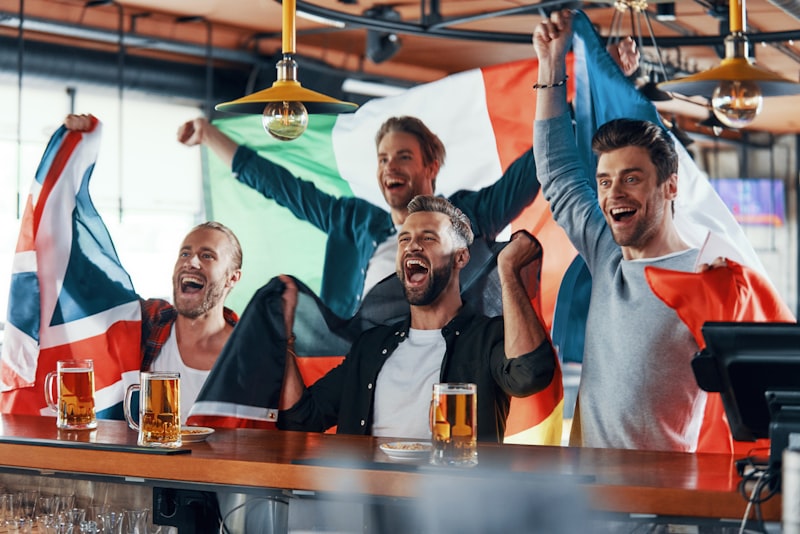
Millions of fans attend every World Cup without entering a stadium. Official FIFA Fan Festivals operate in all 16 host cities — free-entry public viewing parties with giant screens, live music, food, and merchandise. The atmosphere at fan zones during knockout matches rivals the stadium itself.
Beyond official fan zones, every host city will pulse with football energy. Bars and restaurants set up big screens, streets around stadiums become spontaneous celebrations, and fan communities organise watch parties in every neighbourhood. Use our Fan Zones page to find official locations and our safety guide to stay safe at crowded events.
Health and Safety for World Cup Travellers
The biggest health risk at the 2026 World Cup is not crime — it is heat-related illness. Southern US cities and Mexican venues will experience temperatures of 30-40°C during June and July. Dehydration, heat exhaustion, and sunburn affect thousands of fans at every summer World Cup.
- Hydrate constantly: Aim for 3-4 litres of water per day in hot cities
- Know the signs of heat exhaustion: Heavy sweating, weakness, cold/clammy skin, nausea, fainting. Move to shade, drink water, and seek medical help if symptoms persist.
- Travel insurance is essential: Medical treatment in the US is expensive. A simple emergency room visit can cost $2,000-5,000 without insurance. Buy comprehensive travel insurance that covers medical expenses, trip cancellation, and lost luggage.
- Avoid scams: Fake tickets, overpriced unofficial merchandise, and taxi scams target tourists at every major event. Read our scam warning guide to recognise and avoid common tricks.
World Cup 2026 Travel Checklist by Timeline
Use this timeline to ensure nothing falls through the cracks:
6-12 Months Before
- Apply for visas (ESTA, eTA, or embassy appointment)
- Book international flights
- Reserve refundable accommodation
- Apply for match tickets through FIFA's official portal
- Purchase travel insurance
3-6 Months Before
- Book domestic flights between host cities
- Reserve rental cars if needed
- Book experiences and day trips
- Buy clear stadium bags and travel gear
- Set up Ticket Alerts for additional ticket drops
1-3 Months Before
- Confirm all bookings and print backup documents
- Purchase eSIM or international SIM
- Download offline maps for every host city
- Break in your walking shoes
- Make restaurant reservations for special meals
1-2 Weeks Before
- Download FIFA app and load tickets
- Email yourself copies of all documents
- Notify banks of travel dates
- Pack using our packing checklist
- Check match schedule for any last-minute changes
Conclusion: Start Planning Your World Cup 2026 Trip Now
The 2026 World Cup is a once-in-a-generation event — the largest sporting spectacle ever staged, across three countries you may never have another reason to explore together. Start planning early — book flights 6-9 months ahead, secure accommodation as soon as match cities are confirmed for your team, and begin visa applications immediately. The fans who plan ahead save money, avoid stress, and have the best experiences.
Whether you are budgeting $1,500 for two weeks or spending $10,000+ for premium seats and luxury hotels, the World Cup offers something magical for every type of fan. The memories you create — the goals, the celebrations, the strangers who become friends — will last a lifetime.
No match tickets? There's still plenty to experience:
Explore stadium tours and fan experiences on Tiqets ↗Affiliate link
Related Guides
- World Cup 2026 on a Budget: How to Spend Less and See More
- Visa Guide: Entry Requirements for USA, Canada, and Mexico
- World Cup 2026 Packing List: What to Bring
- How to Get World Cup 2026 Tickets
- Fan Zones Complete Guide
- First-Time Attendee Guide
Frequently Asked Questions
June 11 to July 19, 2026, across 16 cities in the USA, Canada, and Mexico. The opening match is at Estadio Azteca in Mexico City and the final is at MetLife Stadium in New Jersey.
48 teams, expanded from 32, making it the largest World Cup ever with 104 matches over 39 days. The expanded format means more group stage matches and a new Round of 32 knockout stage.
MetLife Stadium in East Rutherford, New Jersey, just outside New York City. The stadium holds 82,500 fans and is accessible via NJ Transit trains from New York Penn Station. Read our MetLife Stadium guide for full details.
A budget trip costs $1,500-2,800 for two weeks. Mid-range is $3,700-7,000. Comfort level is $7,300-15,000+. The biggest variables are accommodation location, match ticket category, and which cities you visit. Mexican cities are the most affordable, US coastal cities the most expensive.
It depends on your nationality and which countries you visit. US ESTA covers citizens of 41 Visa Waiver Program countries ($21). Canada eTA costs CAD $7 for eligible nationals. Mexico is visa-free for 65+ countries. Check our detailed visa guide for requirements specific to your passport.
Book international flights 6-9 months before the tournament for the best prices. Domestic US flights are cheapest 6-8 weeks in advance. Prices spike 3-4 months before kickoff when demand peaks. Set up price alerts on Google Flights for your preferred routes.
Yes, but you will need valid entry documents for each country you visit. Plan border crossings carefully and ensure multi-entry visas if you plan to re-enter a country. The most common tri-country routes go through Dallas or Houston (gateway to Mexican cities) and Toronto or Seattle (gateway to Canadian cities).
It depends on your priorities. New York/New Jersey has the most matches including the Final. Mexico City is most affordable with incredible atmosphere. Los Angeles has the best weather. Dallas and Houston offer great value with air-conditioned stadiums. Use our City Comparison tool to compare cities across all factors.
Tickets are sold exclusively through FIFA's official ticket portal. Sales happen in phases — first-come-first-served and ballot (lottery) rounds. There is no authorised resale market. Read our complete ticket guide for detailed instructions on each sales phase and pricing.
Yes. All 16 host cities are major metropolitan areas with established security infrastructure. The biggest health risk is heat-related illness, not crime. Travel insurance is essential for medical coverage in the US, where healthcare is expensive. Read our comprehensive safety tips guide for city-specific advice.
Absolutely. Millions of fans attend every World Cup without entering a stadium. Official FIFA Fan Festivals operate in all 16 host cities with free entry, giant screens, live music, and food. Bars, restaurants, and public squares host viewing parties throughout the tournament. Check our fan zones guide for locations and tips.
Travel light with a carry-on bag. Essentials include a clear stadium bag (mandatory), portable battery pack, eSIM, sunscreen, rehydration salts, broken-in walking shoes, and your team jersey. Our complete packing list guide covers every item by category and destination.
Plan Your World Cup Trip
Generate your free personalised World Cup 2026 travel plan at worldcupguide.ai — our AI covers flights, hotels, match tickets, and complete itineraries across all 16 host cities.